Selfhosted S3 cuts per-request pricing traps
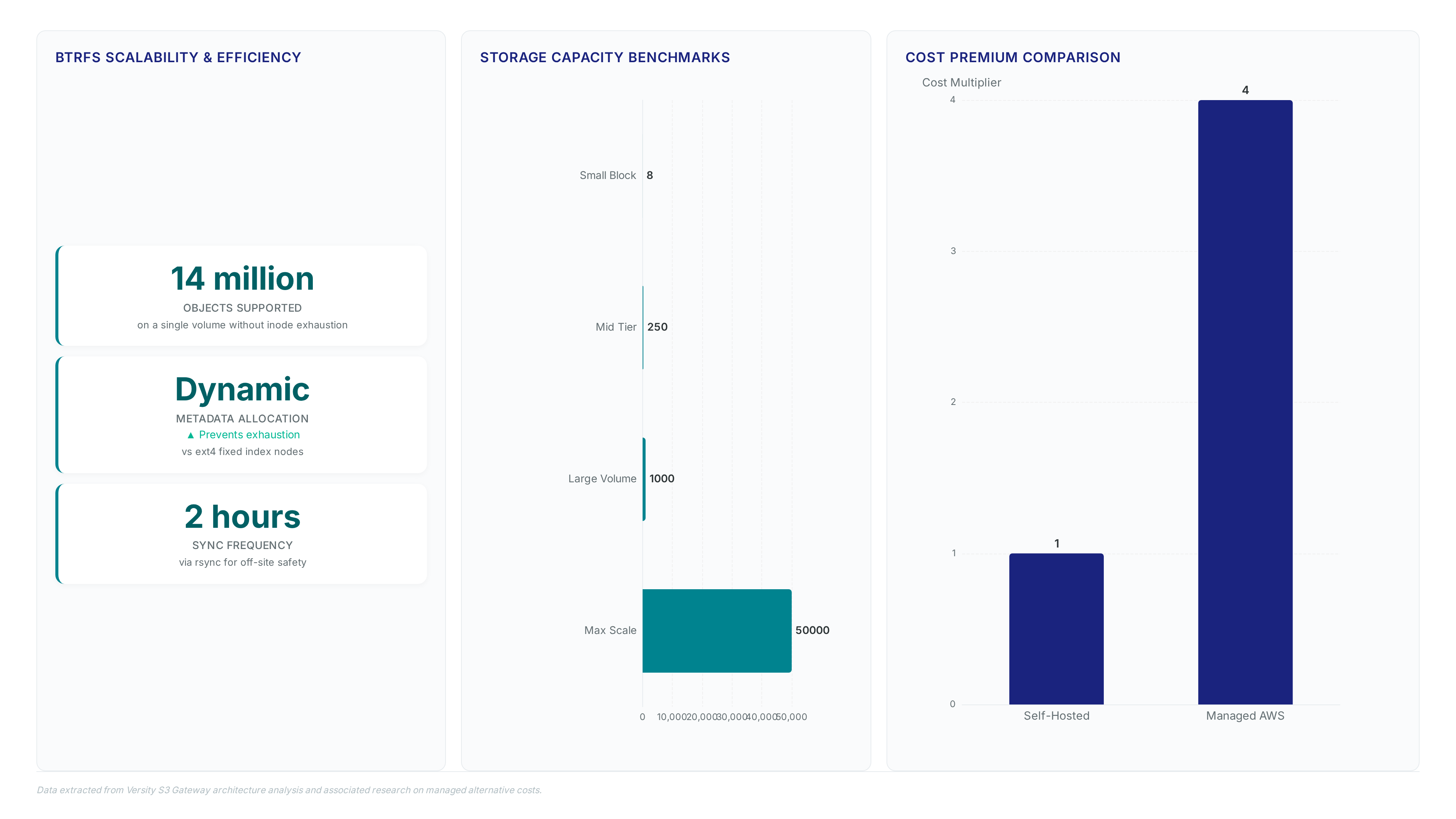
We hit 150 req/sec with 14M objects. See why self-hosting on Btrfs beat unstable managed services and their hidden fees.

We hit 150 req/sec with 14M objects. See why self-hosting on Btrfs beat unstable managed services and their hidden fees.

Don't let millisecond delays kill throughput. Learn why WAL flushes demand microsecond latency that standard S3 tiers simply cannot provide.

Wasabi's deal grants Seagate equity, not cash. With 2 independent S3 options now merged, architects must rethink vendor redundancy strategies today.

OpenDrives Edge delivers local LAN speed for 4K/8K editing, eliminating the latency that plagues traditional hybrid setups.

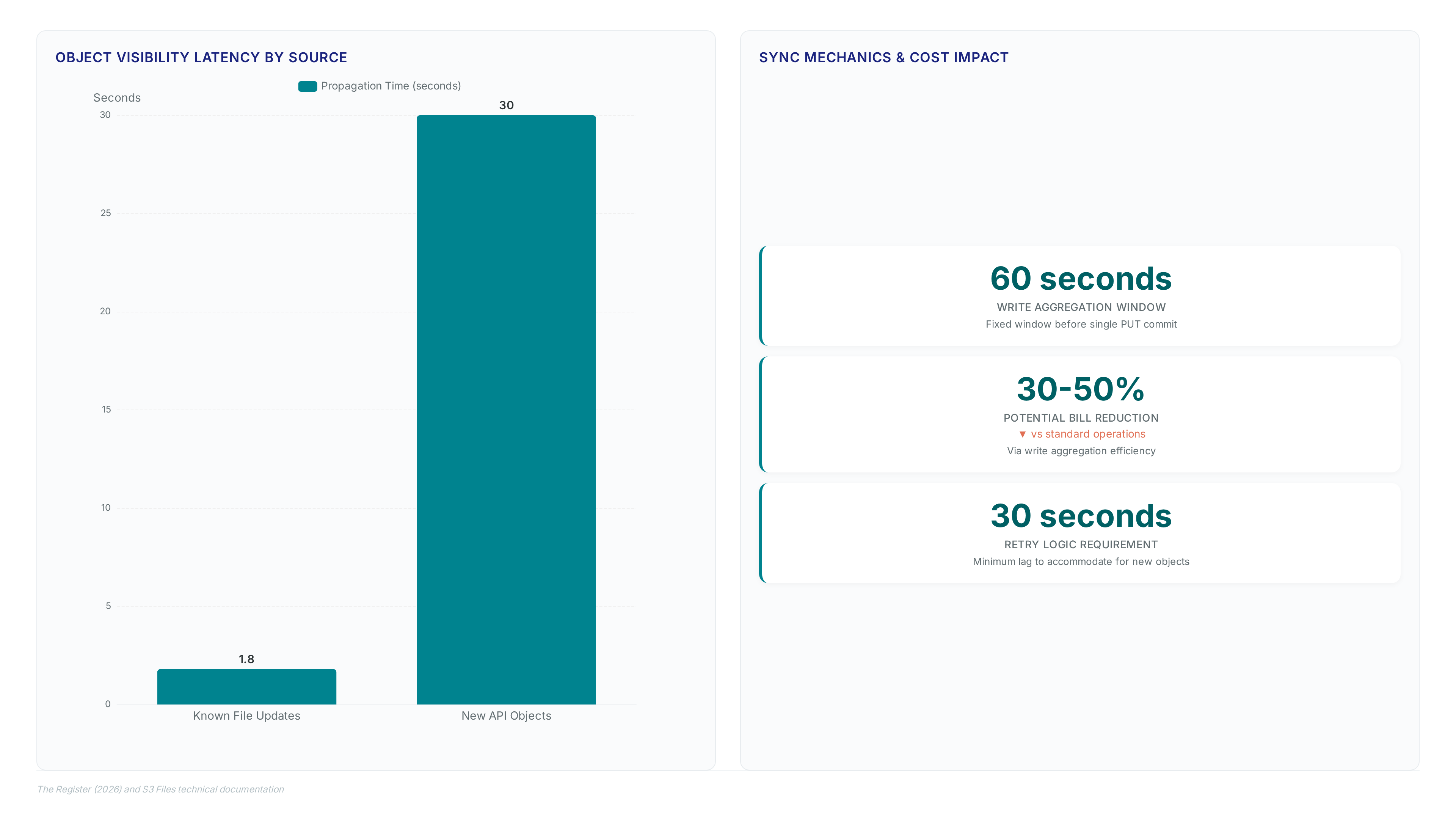
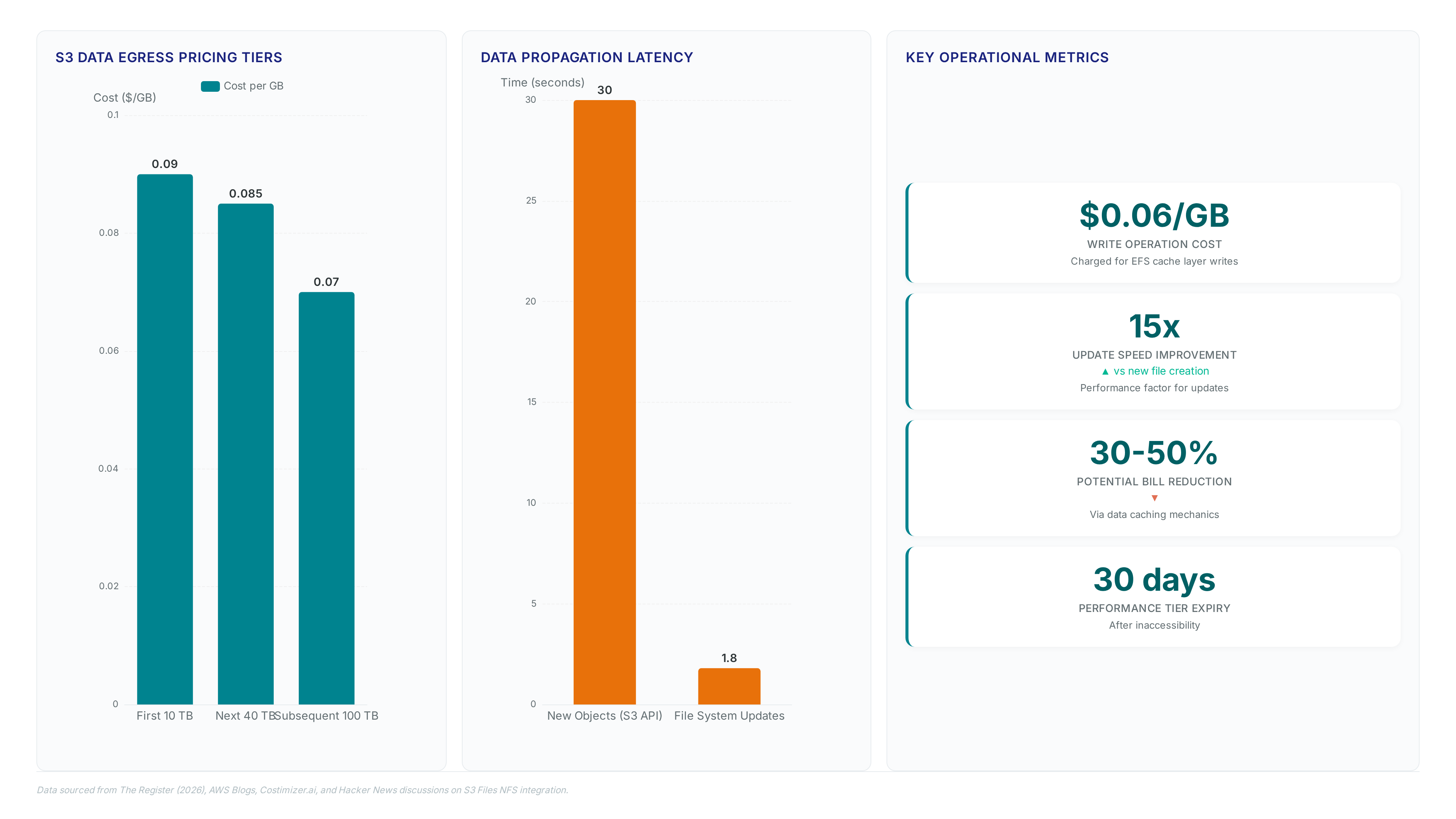
AWS S3 Files converges writes in under 2 seconds, but new keys face an 18-second delay. Here is the real latency data.

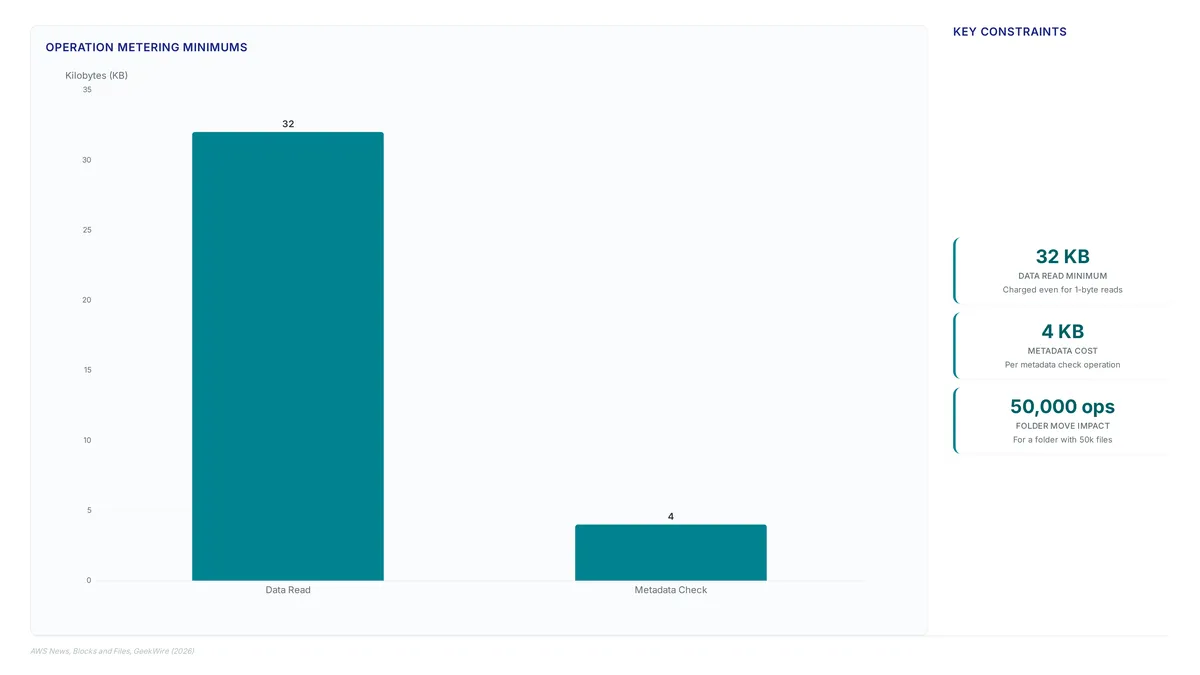
I tested S3 Files delivering 250,000 read IOPS per file system. See how this bridges object storage and native NFS for your clusters.

Stop guessing on 36 regions. Use S3 to automate checks across 105 zones and prevent costly deployment errors before they hit production.

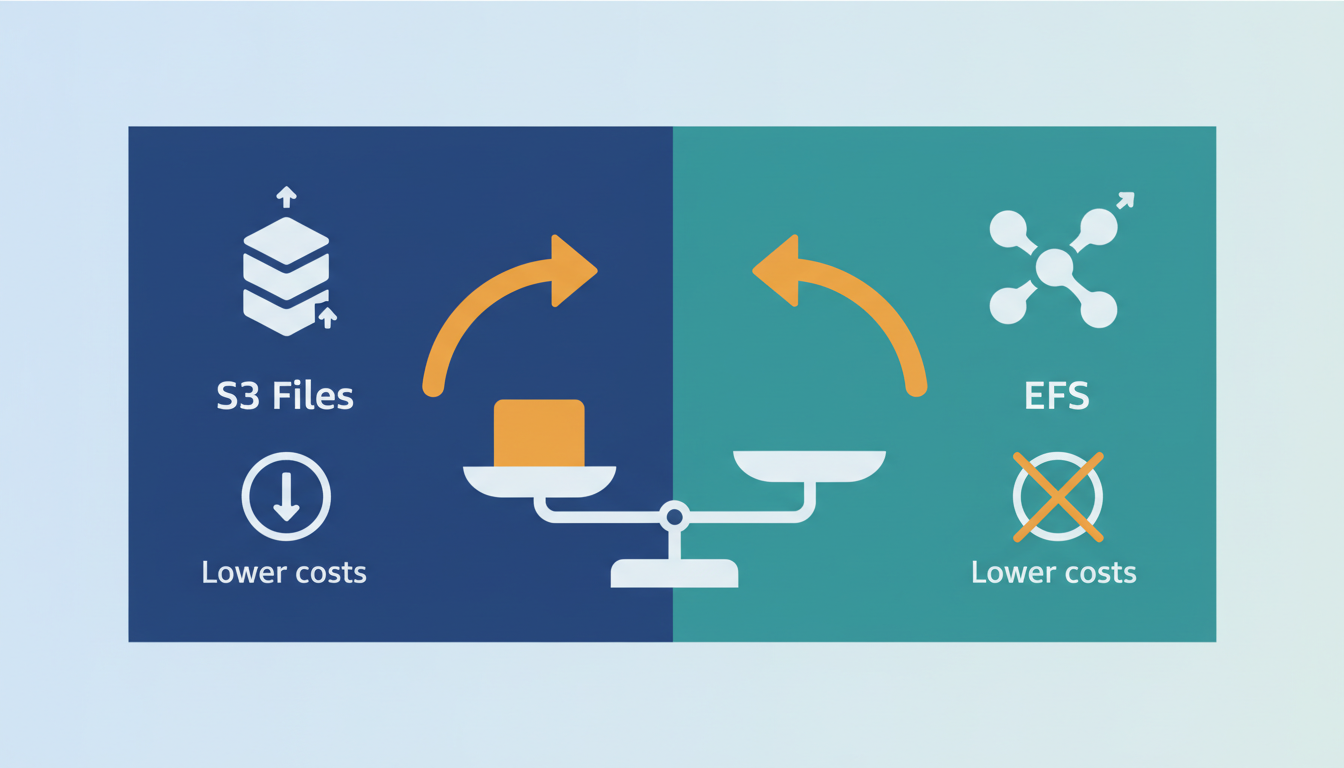
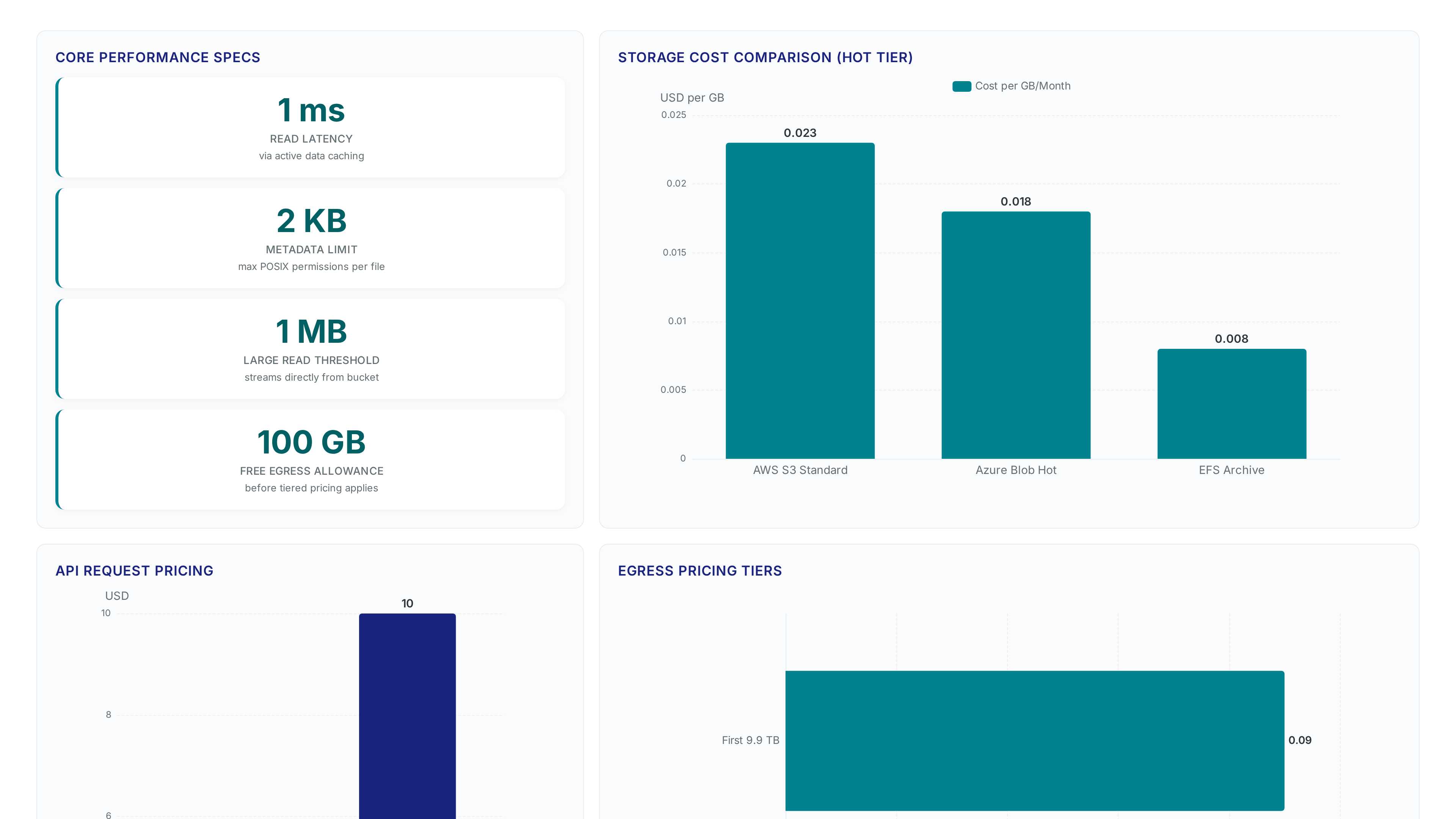
Stop duplicating data between S3 and EFS. Alex explains how S3 Files delivers 1ms latency for active data without moving your existing objects.

Stop wasting hours on copy pipelines. S3 Files let tools like GATK4 read 150 GB sequences directly, eliminating version errors.

Alex breaks down S3 Files launched April 7, 2026. See how NFS v4.1 bridges object storage without complex sync pipelines.

AWS S3 Files uses EFS to deliver NFS v4.2, letting 69% of hybrid orgs access data instantly without costly migration or duplication.

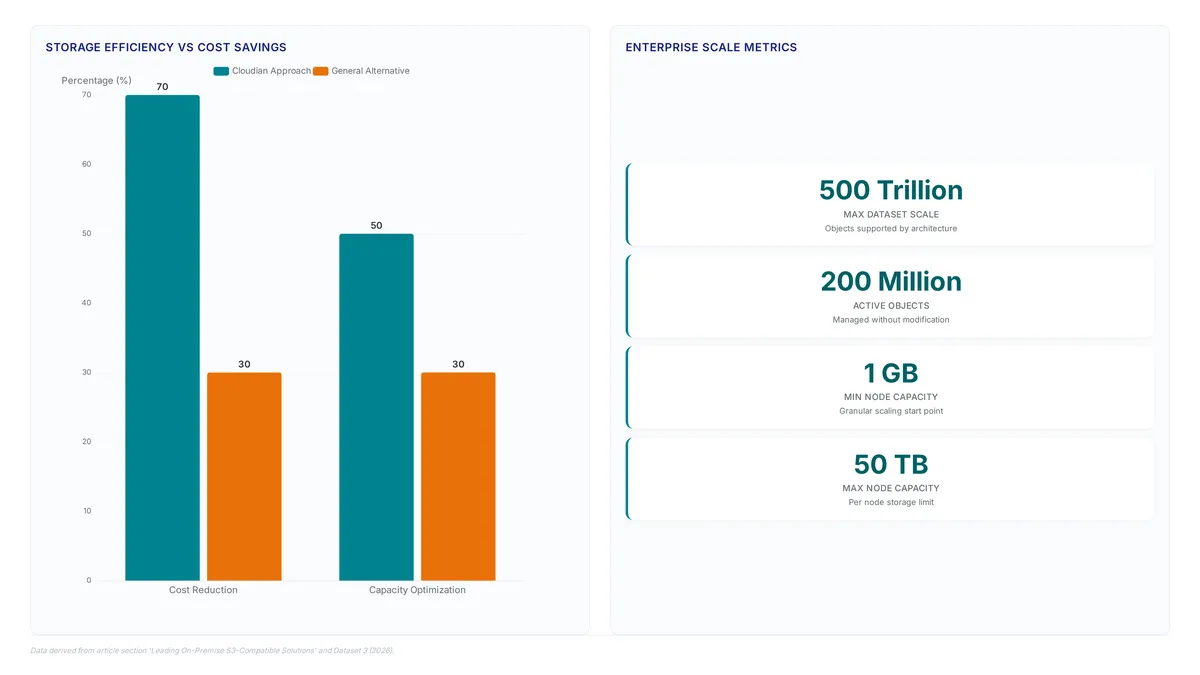
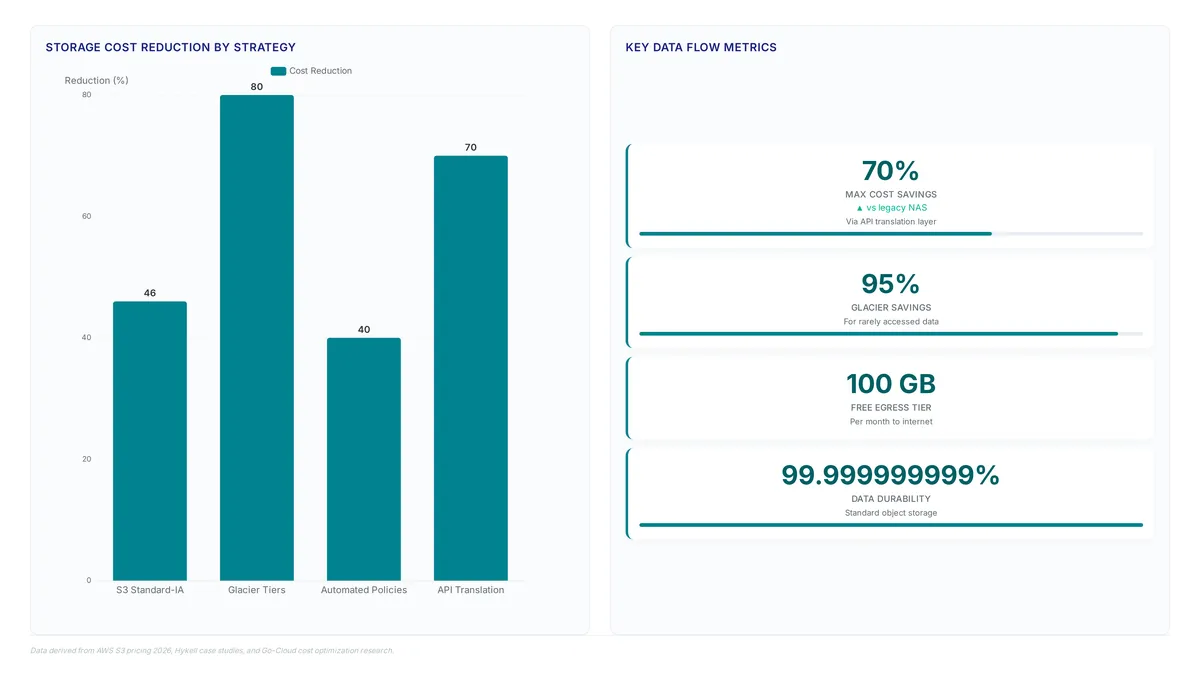
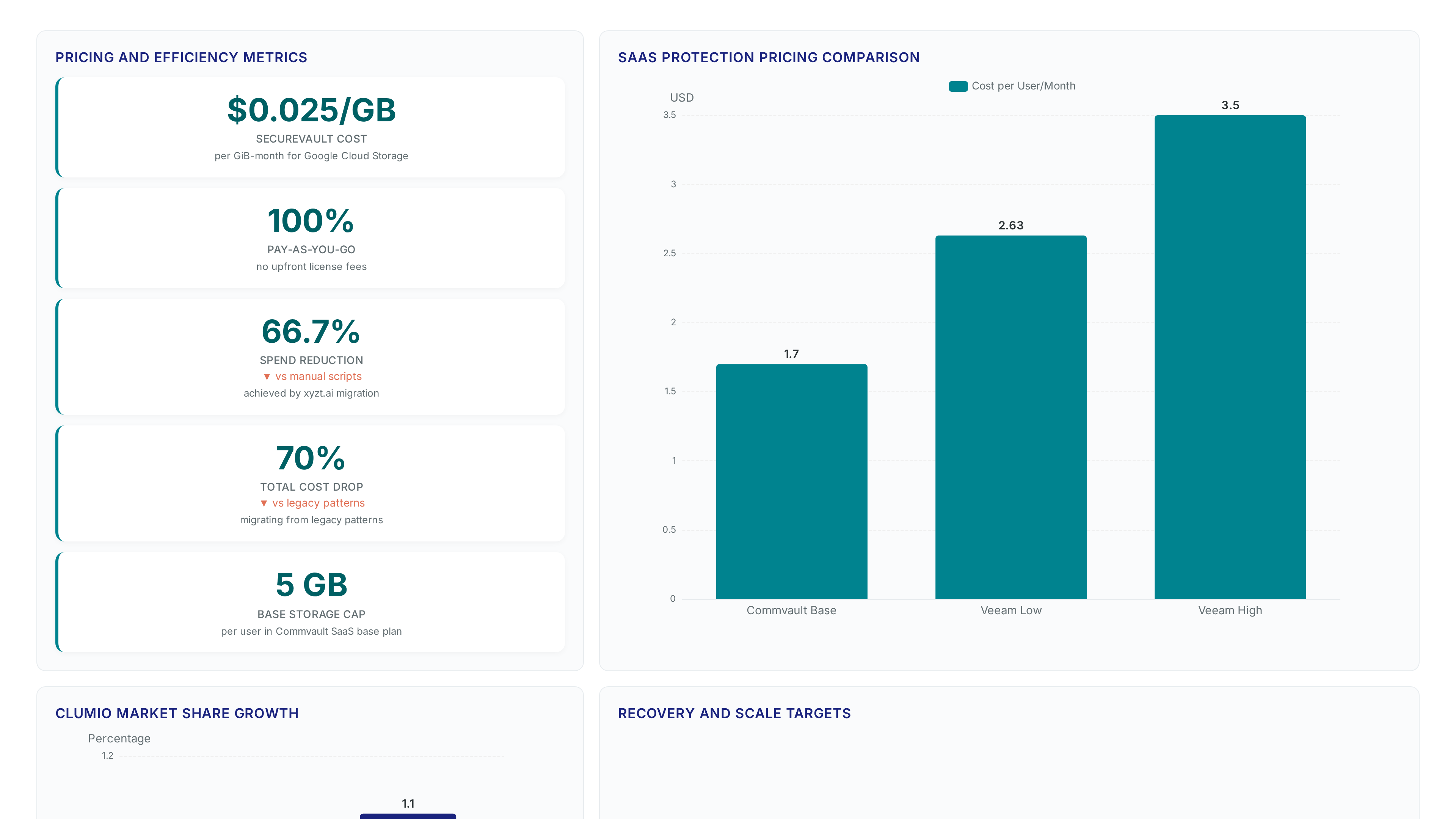
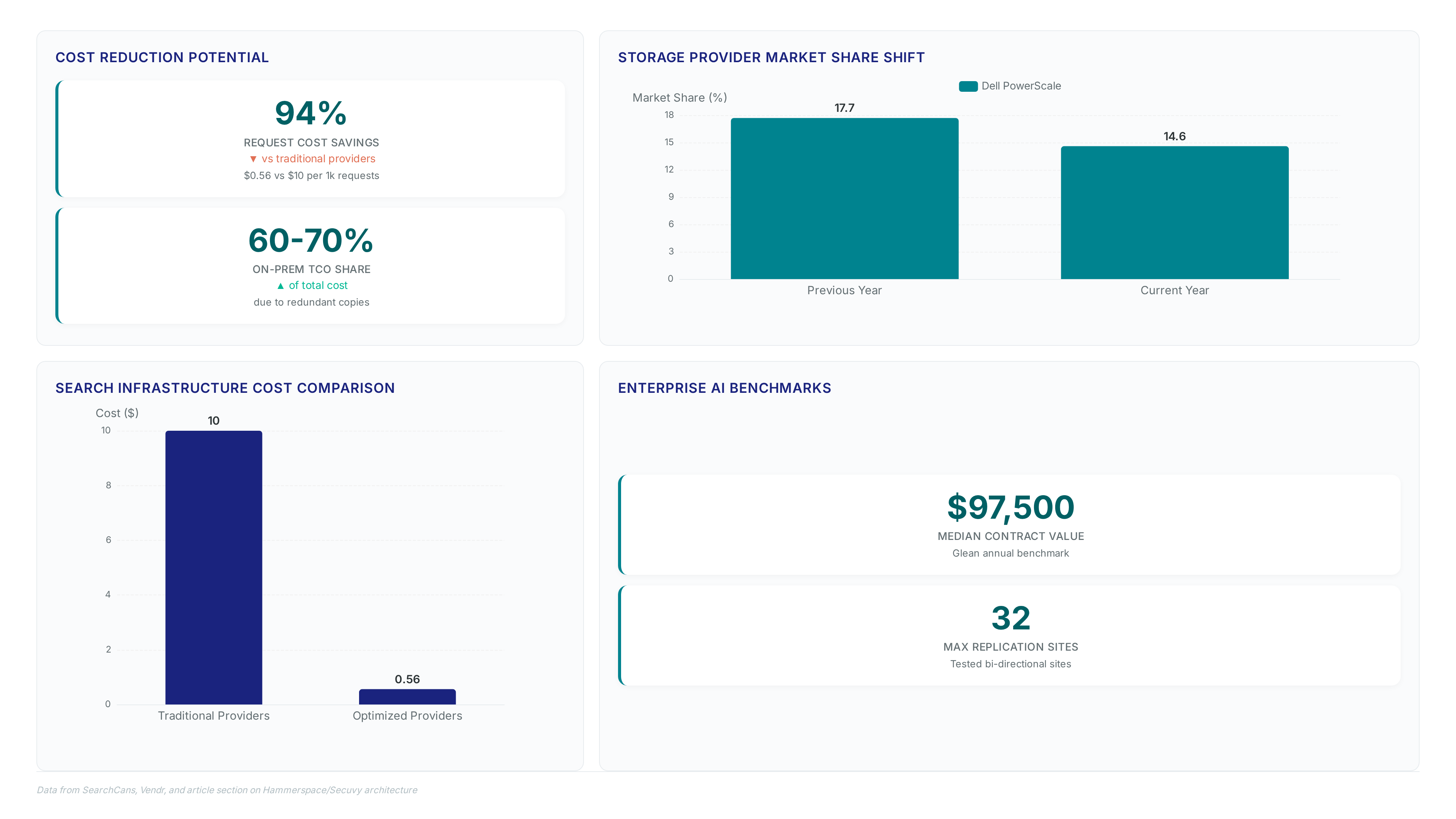
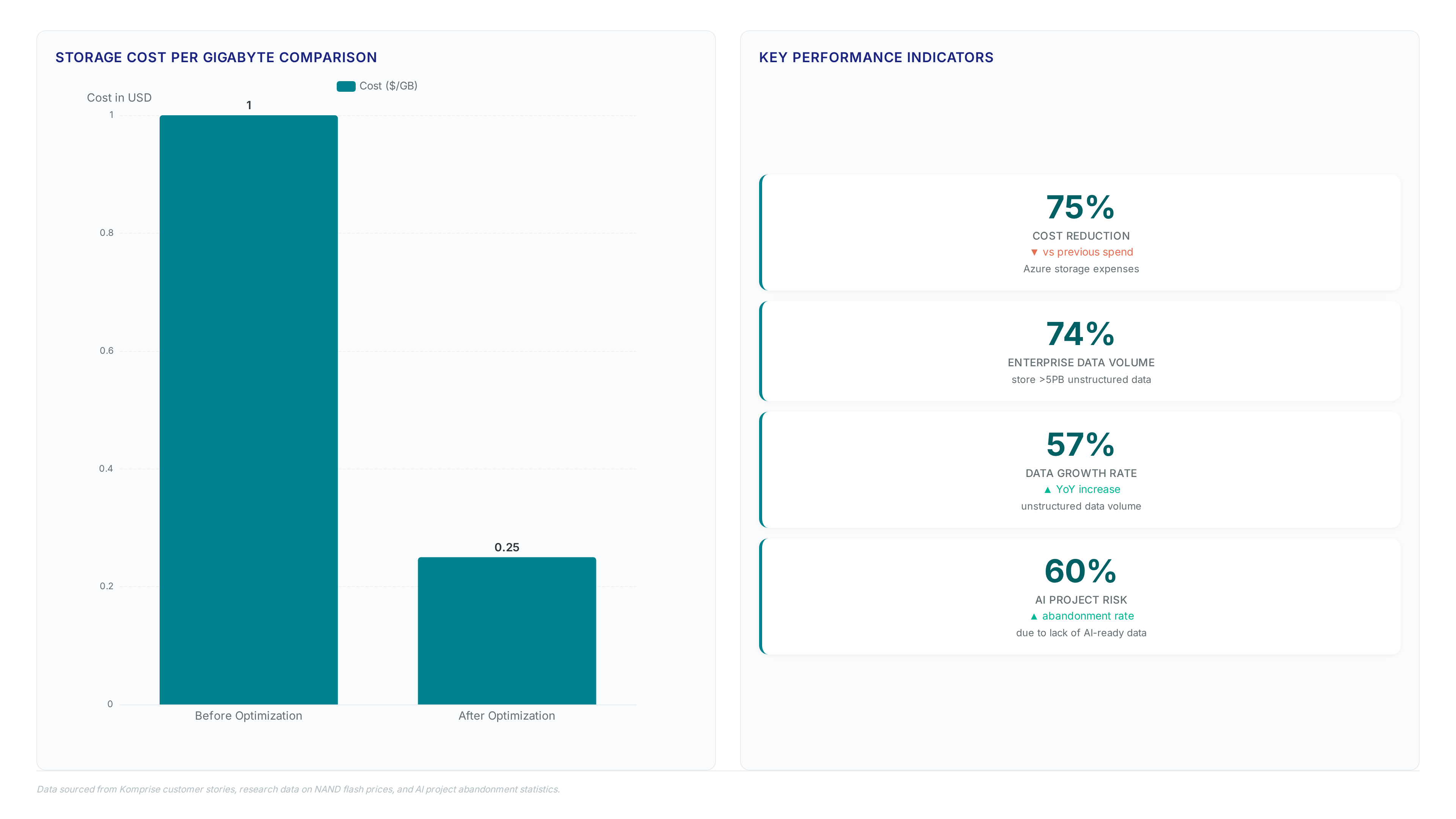
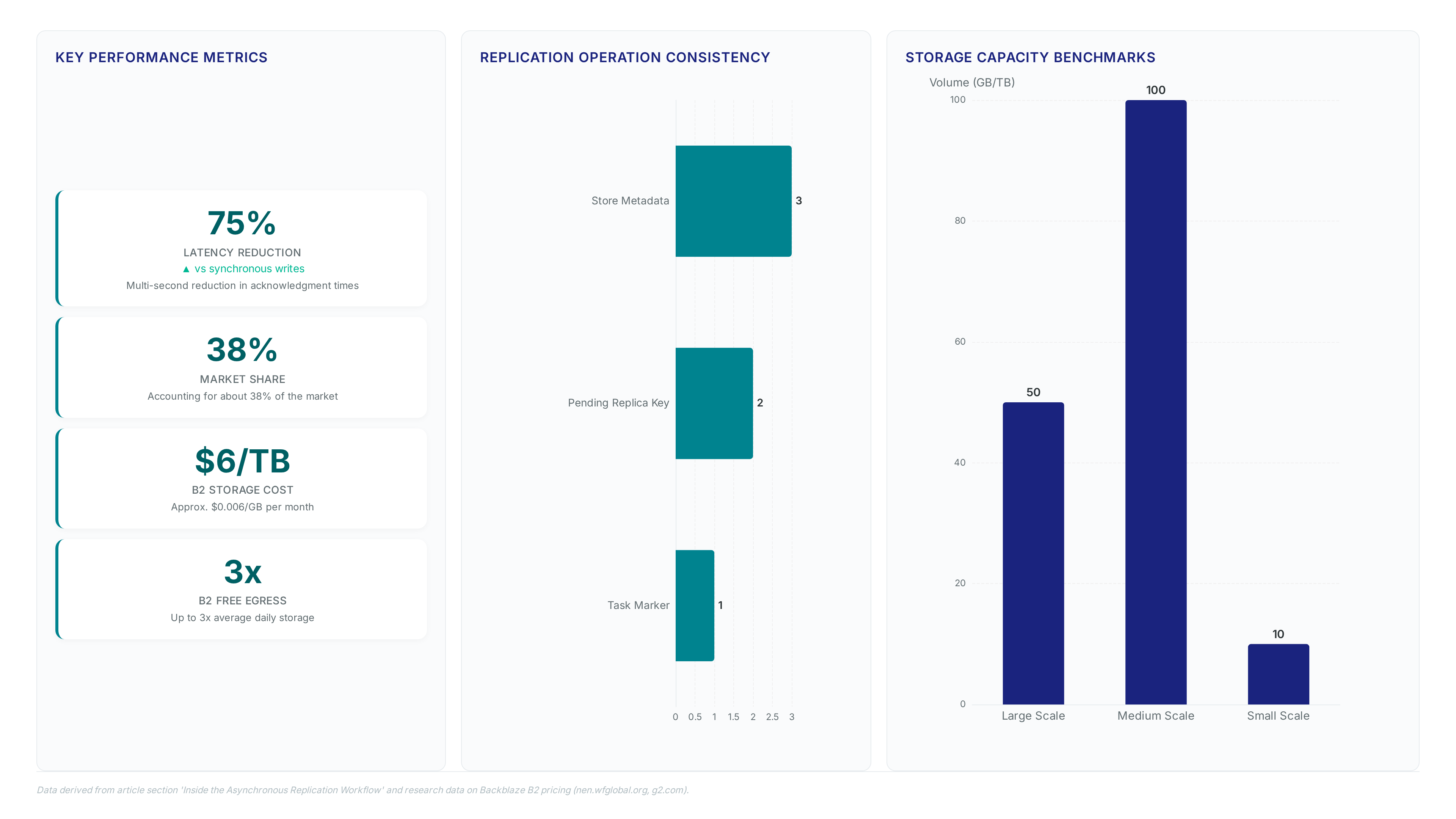
We cut AI storage costs by 70% in production. Learn why generic cloud setups fail and how specific architectures prevent budget overruns today.

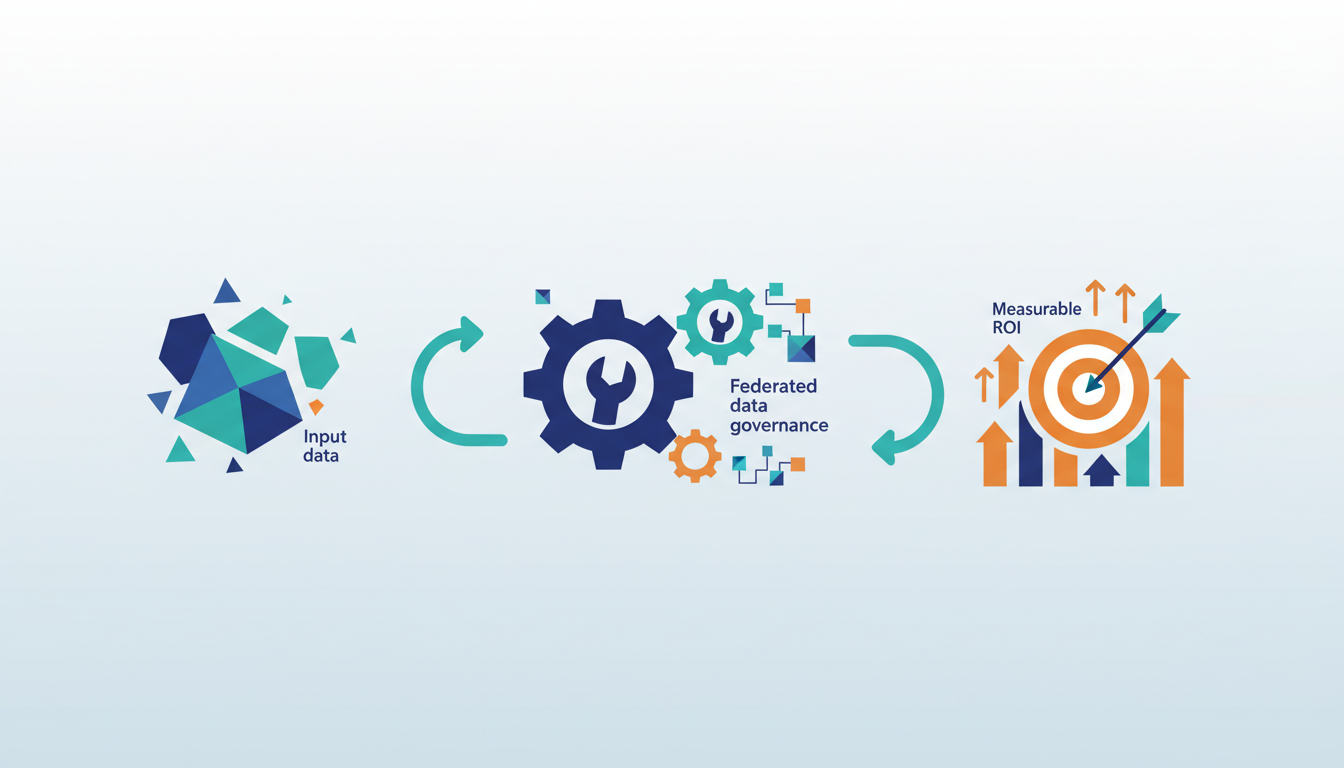
Only one in five firms see AI ROI. Learn how GreenOps and query-in-place architecture stop the waste from legacy data movement.

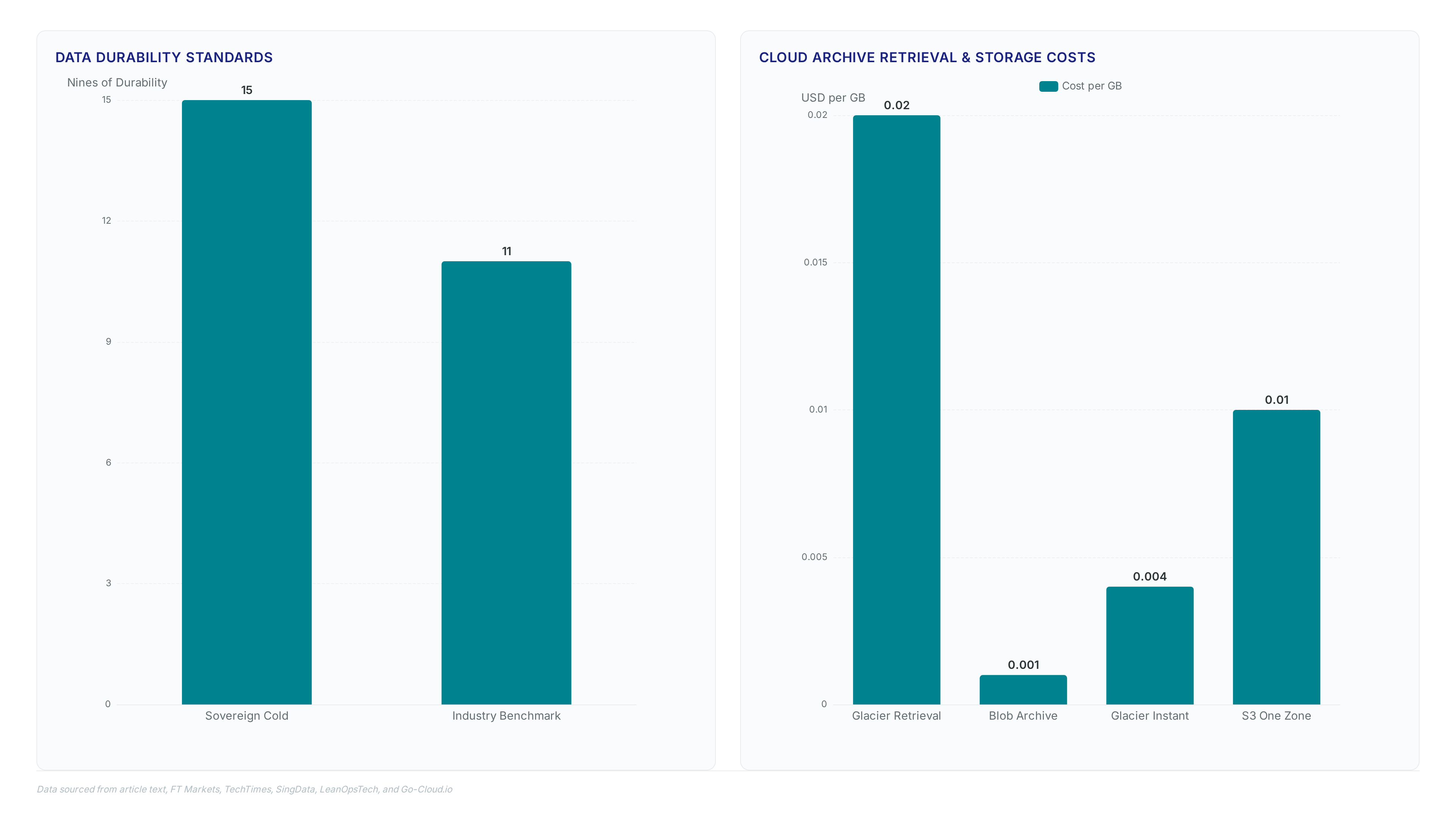
Cut total cost of ownership by 70% using tape-backed cold storage. Learn how sovereign Dutch data centers ensure compliance and durability.

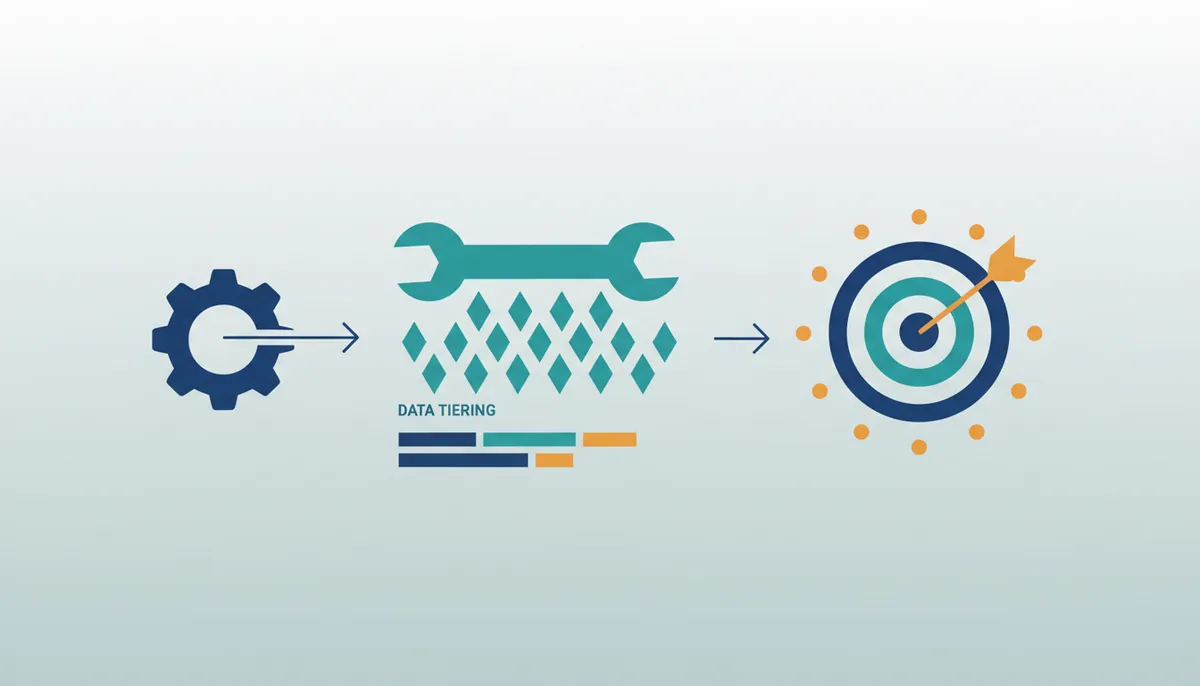
Gartner predicts a 130% price surge by 2027. I show how tiering cold data off flash saves $350,000 per petabyte without vendor lock-in.

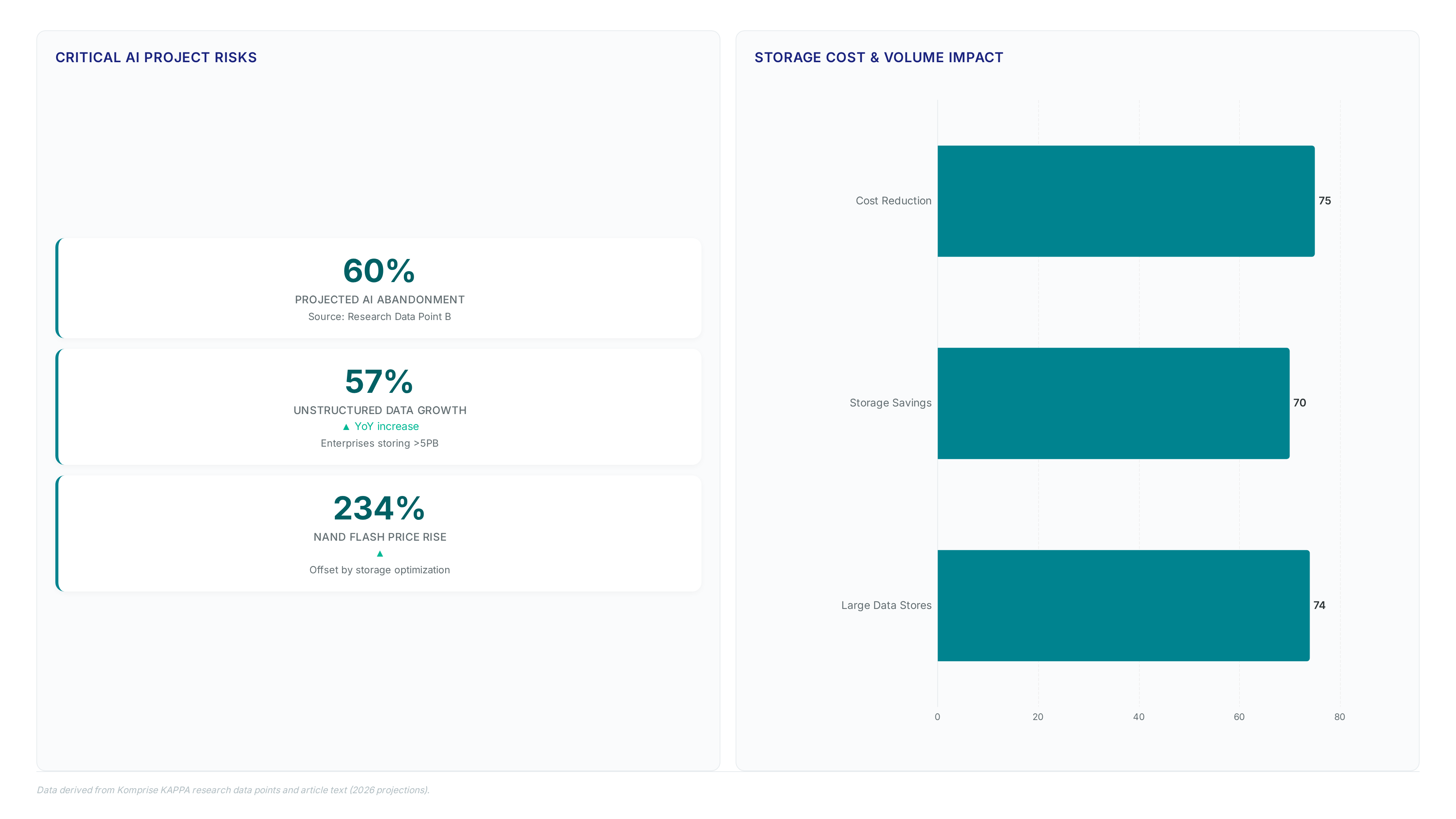
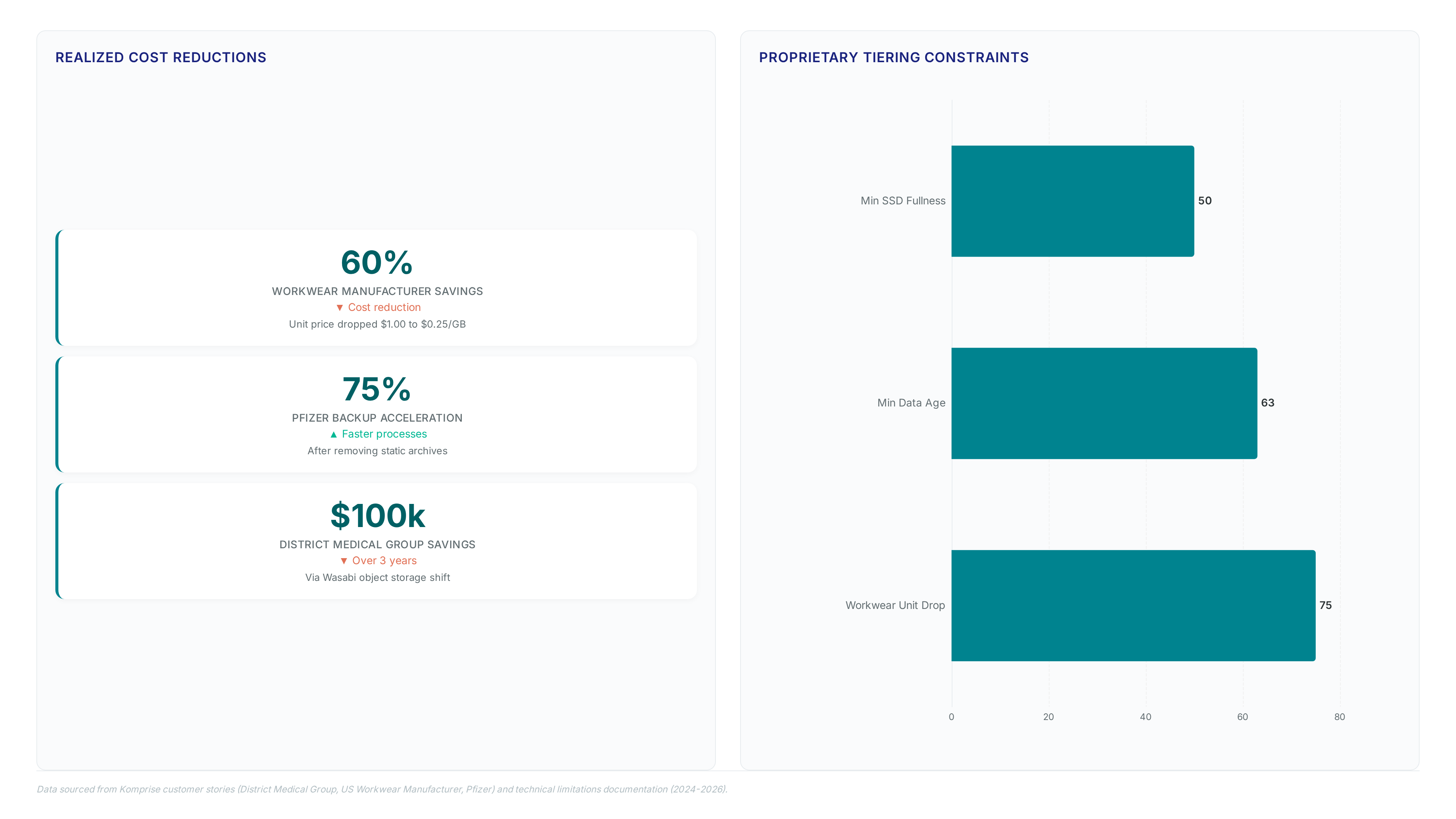
Komprise found 70% cold data in primary storage. Learn how tiering to object storage slashed Pfizer's costs by 75% before Q1 2026 spikes.

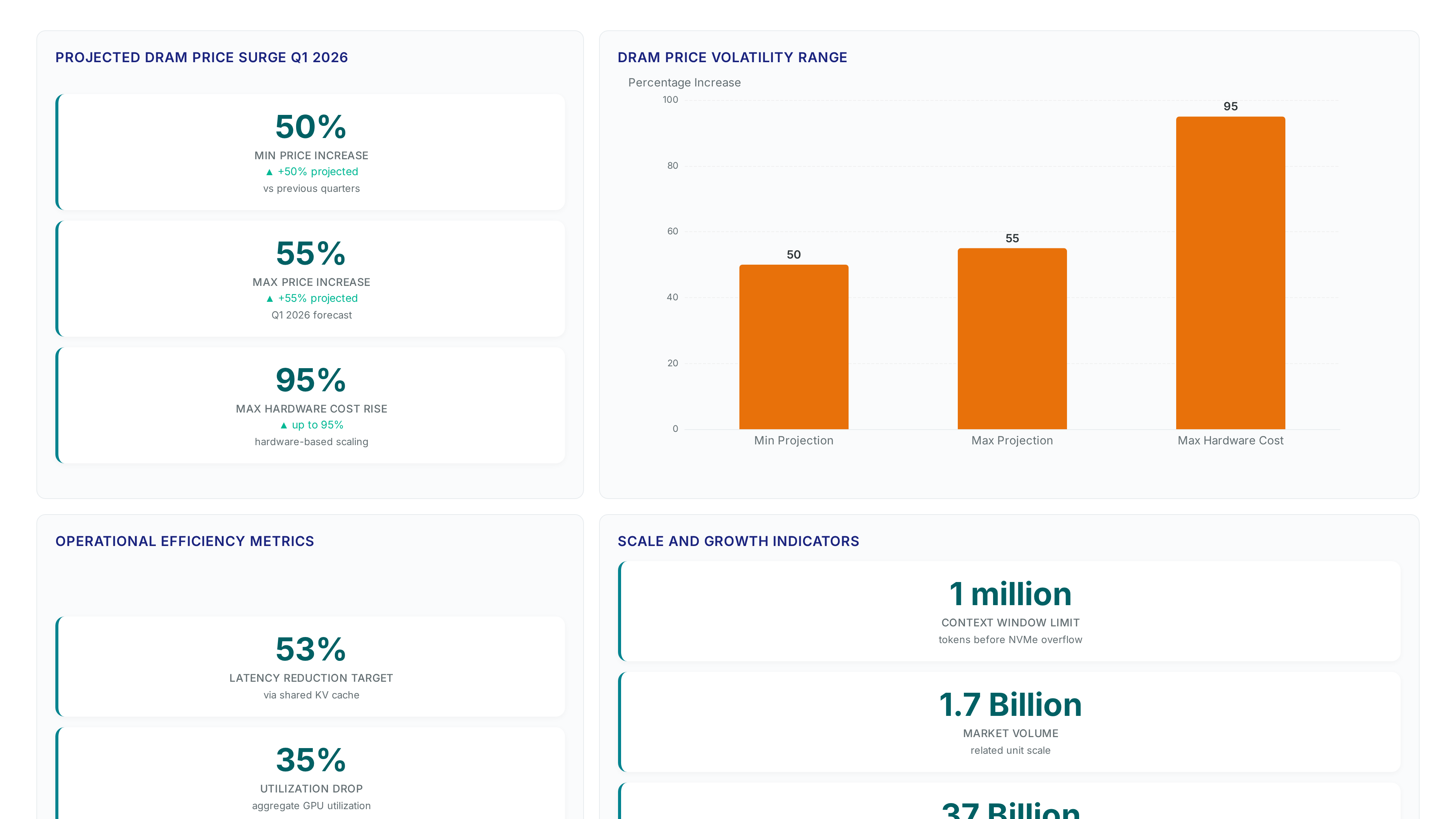
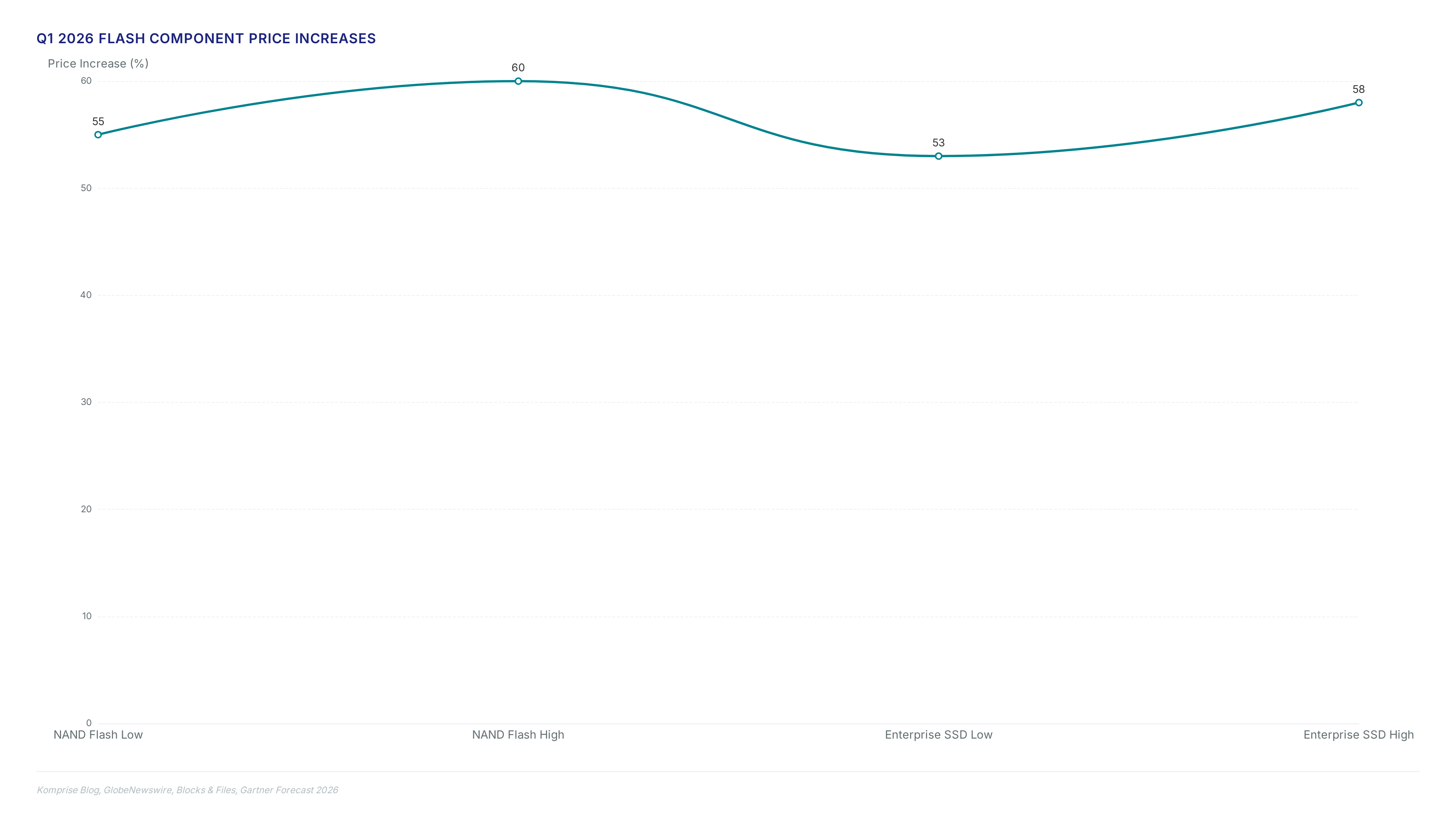
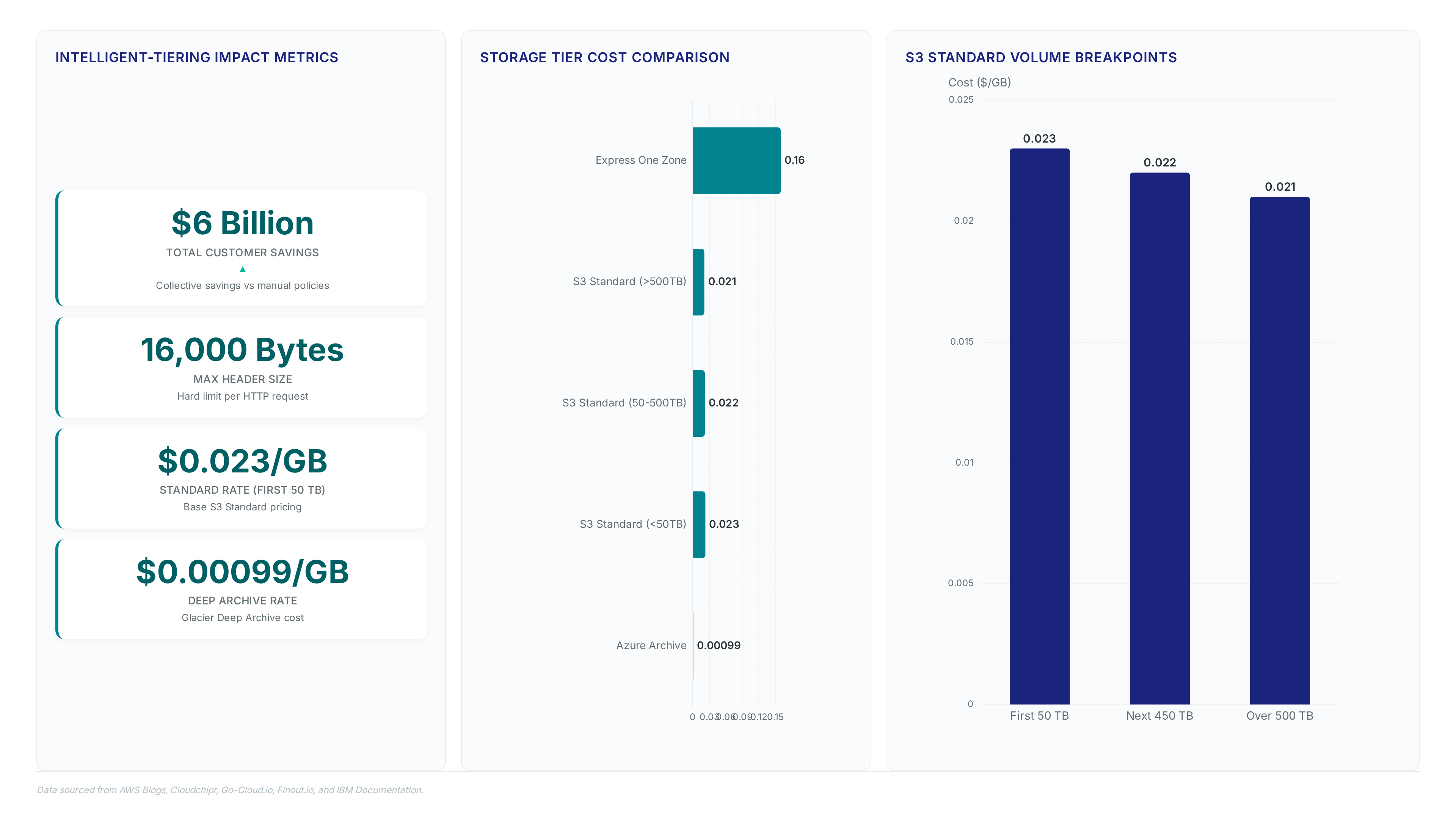
With NAND flash prices up 60%, I show how to free 70% of primary capacity using intelligent tiering without vendor lock-in.

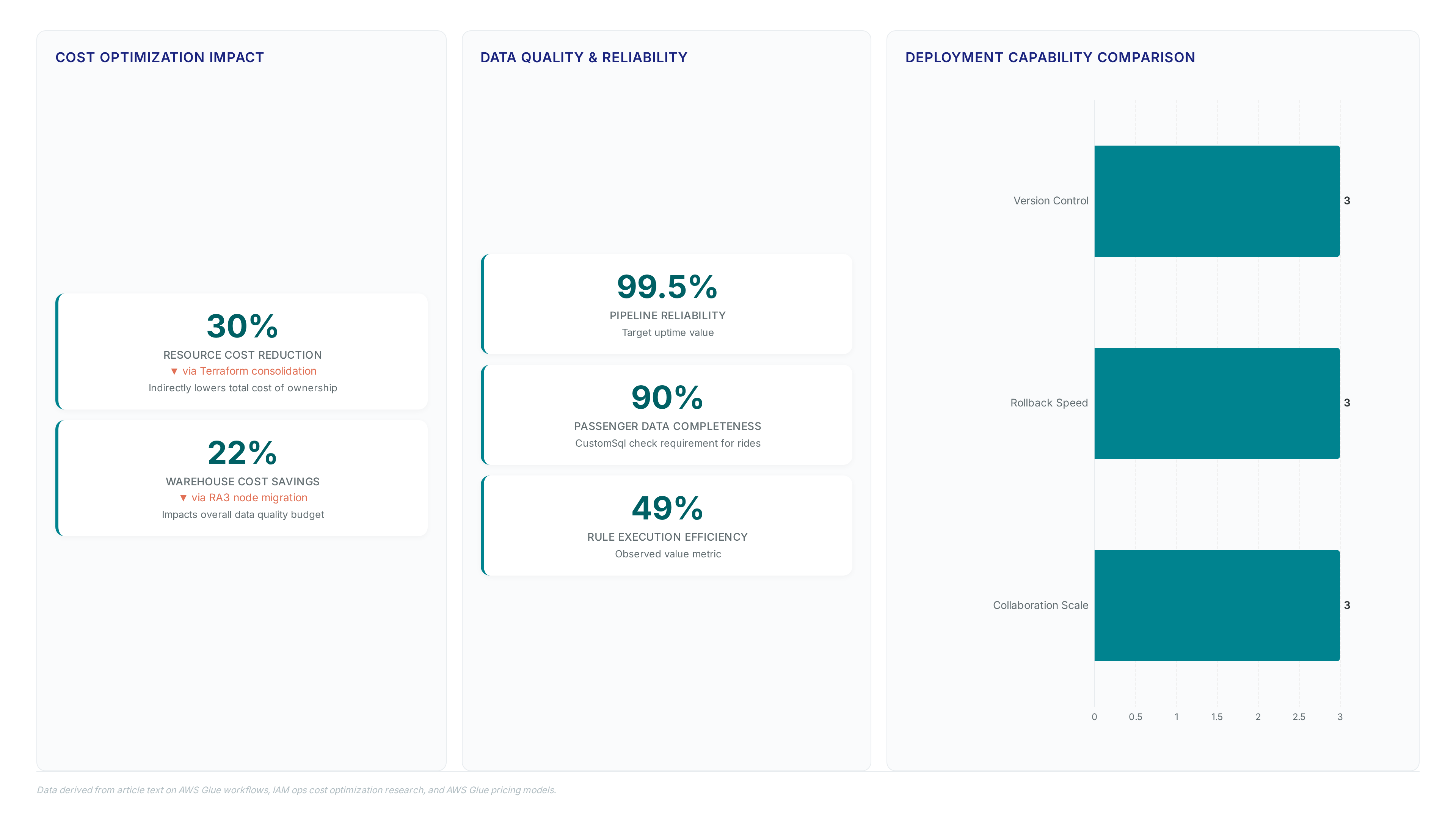
Learn how Terraform prevents configuration drift across 2 distinct validation modes, ensuring your data quality scores stay reproducible everywhere.

Even with EU storage, US courts can access metadata indexes. Learn why legal jurisdiction overrides physical borders in this 4-scenario analysis.

I analyze how NetApp AIDE handles the 10–20x vector storage surge by enriching metadata in place, avoiding costly data duplication.

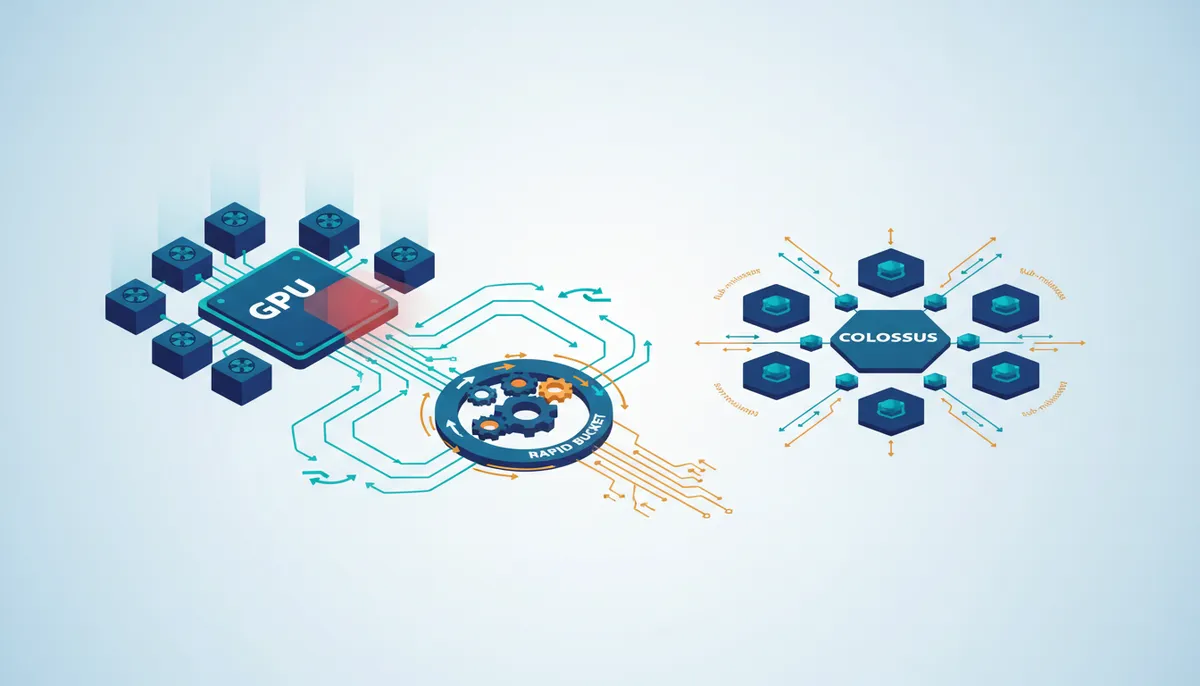
Cloudian's new validation covers 128 GPUs, proving storage can handle sequential reads and random I/O without stalling training cycles.

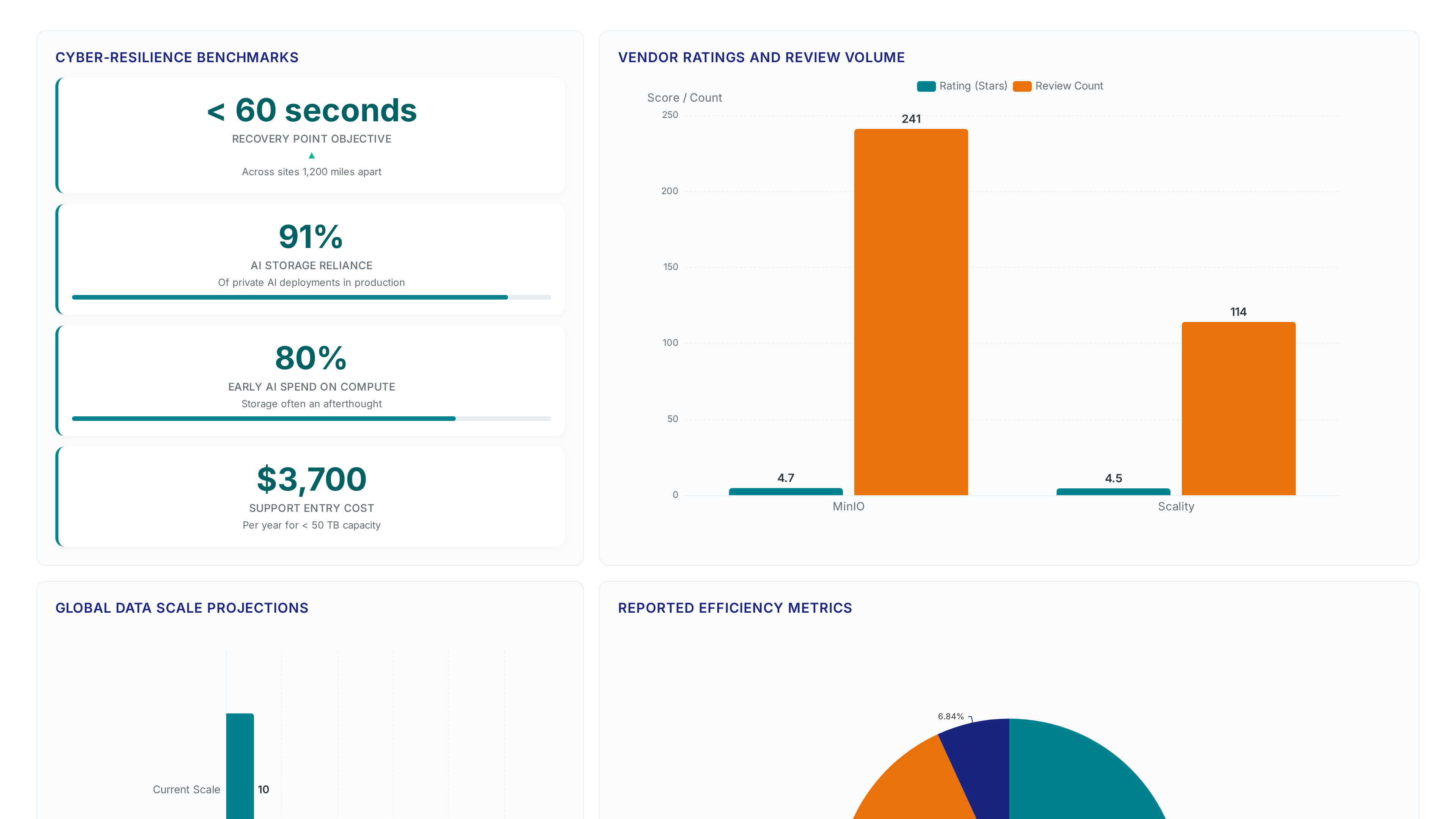
With 91% of private AI relying on object storage, I explain why legacy systems fail at scale and how to fix bottlenecks.

With 78% of firms deploying AI, fragmented data is the real blocker. Learn how a trusted data plane secures unstructured assets in place.

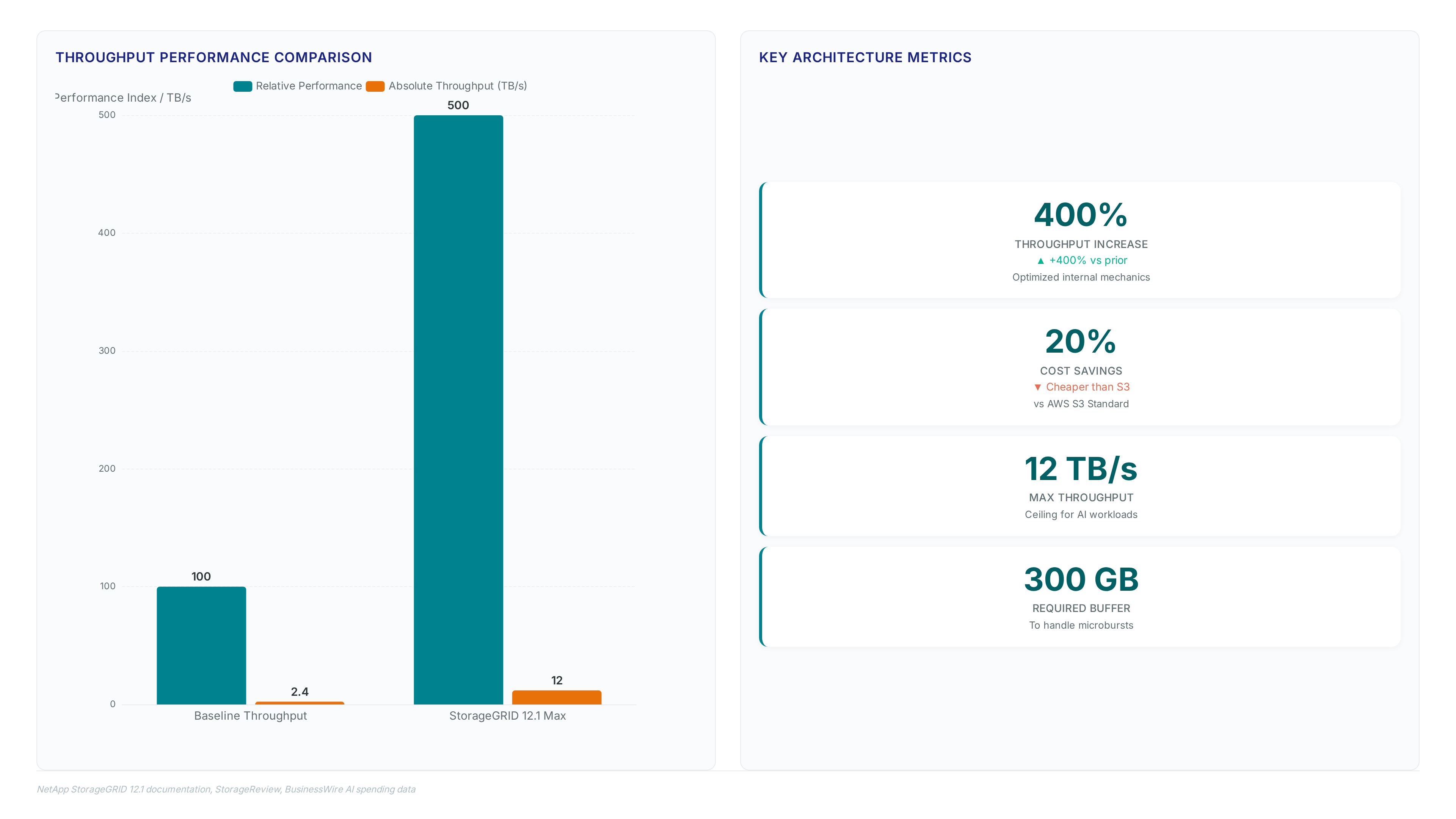
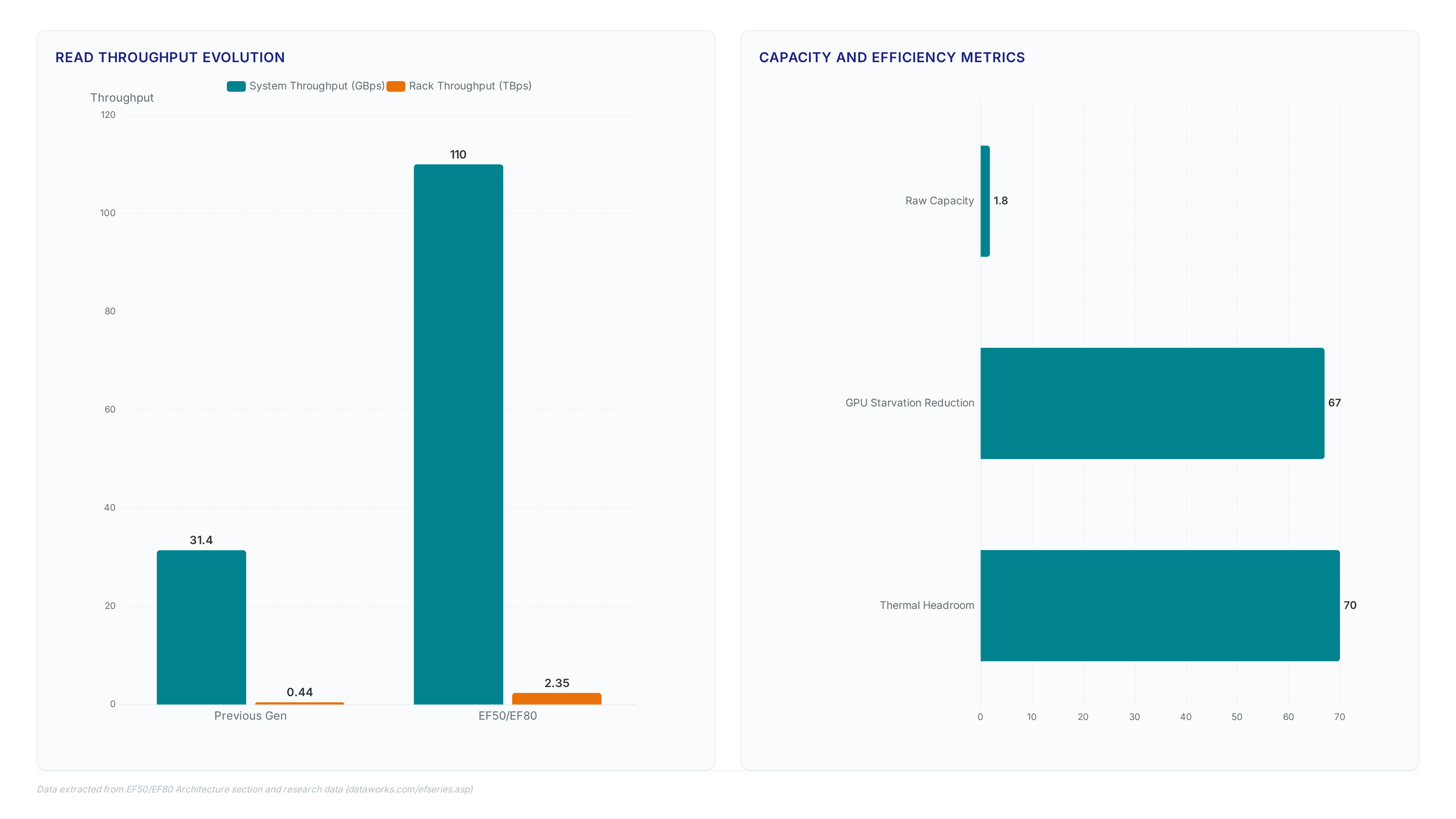
Alex breaks down how NetApp's new 100GBps throughput stops GPU starvation in sovereign AI clouds without adding complexity.

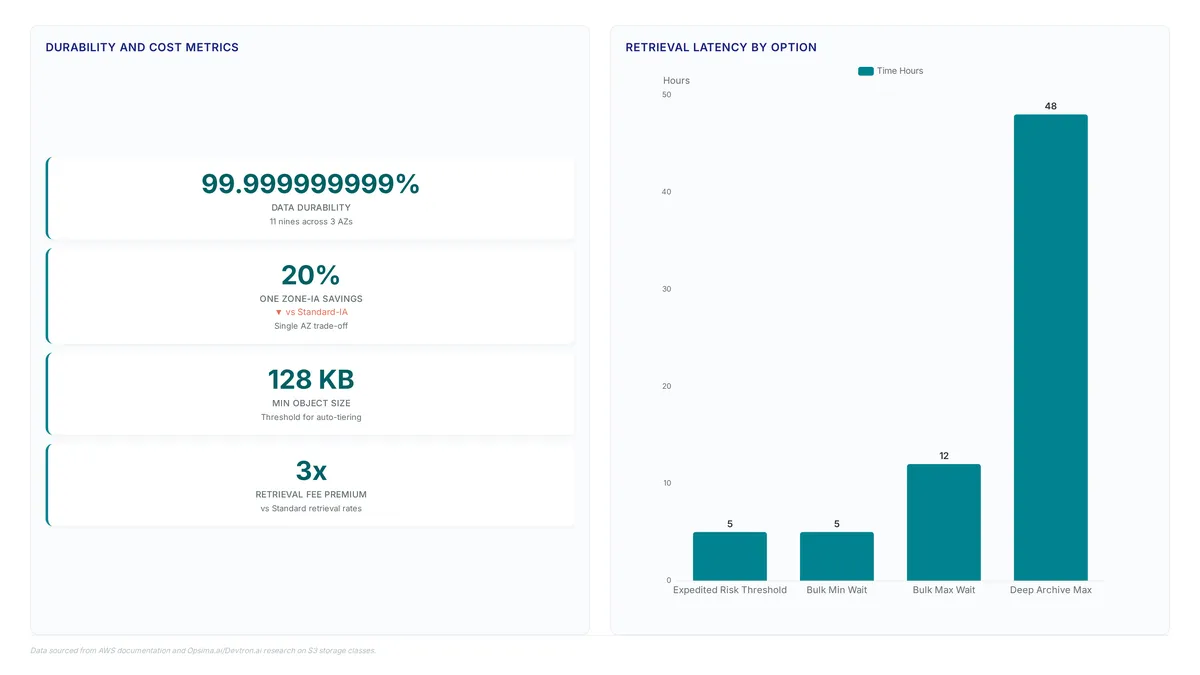
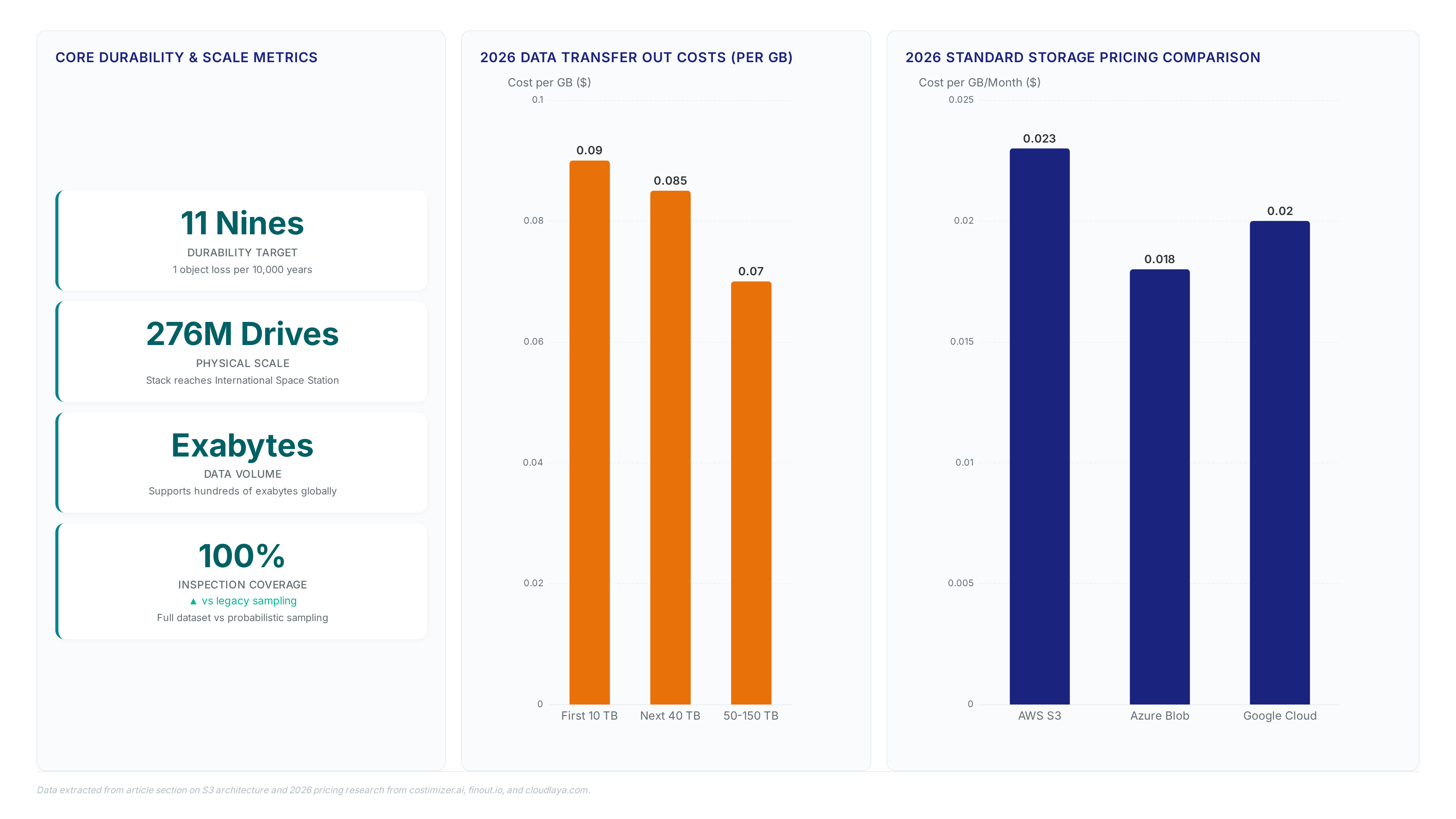
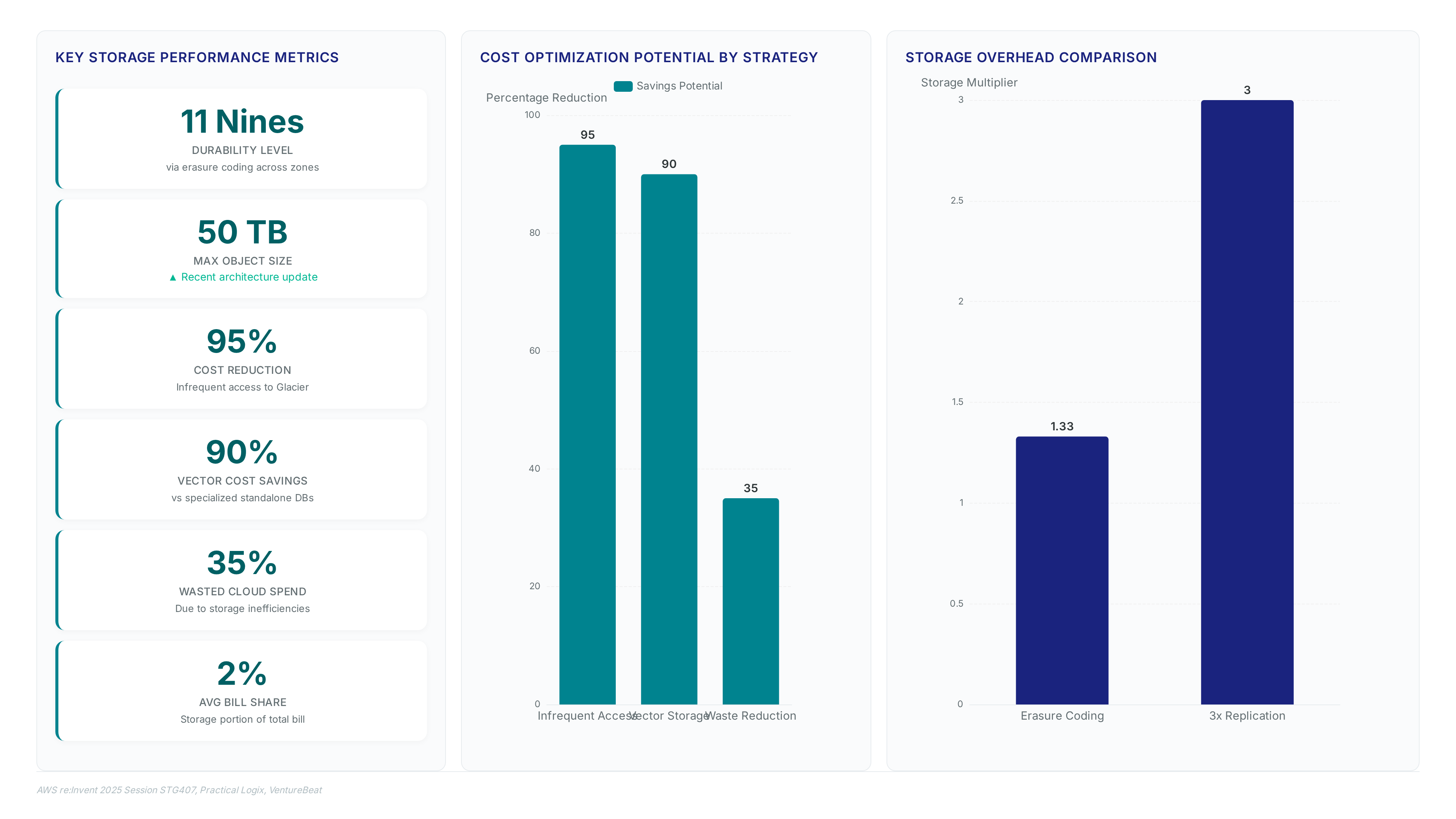
Alex breaks down how S3 hit 11 nines durability over 18 years by using formal verification and Rust for critical data paths.

AWS S3 turns 20 with 500 trillion objects stored. I break down the engineering behind its legendary 11-nines durability and real security risks.

AWS S3 now holds 500 trillion objects. I break down how the API stayed identical while the backend completely rewrote its storage mechanics.

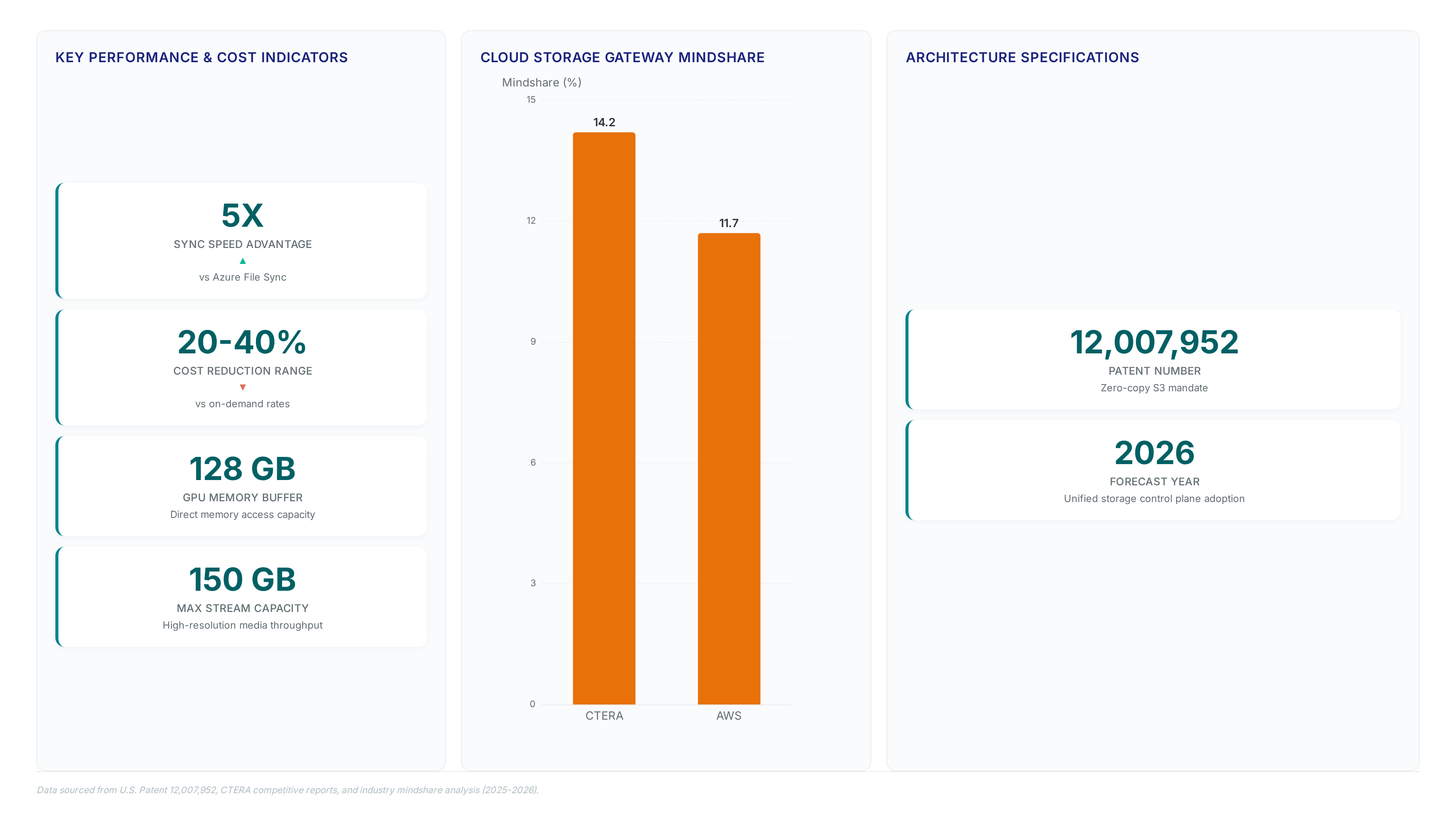
Ctera's patent 12,007,952 removes file-to-object conversion, letting AI clusters consume SMB writes instantly over S3 without duplication.

I recall when tape beat cloud for 30TB in 2010. See how Amazon S3 evolved from expensive backup experiment to enterprise standard today.

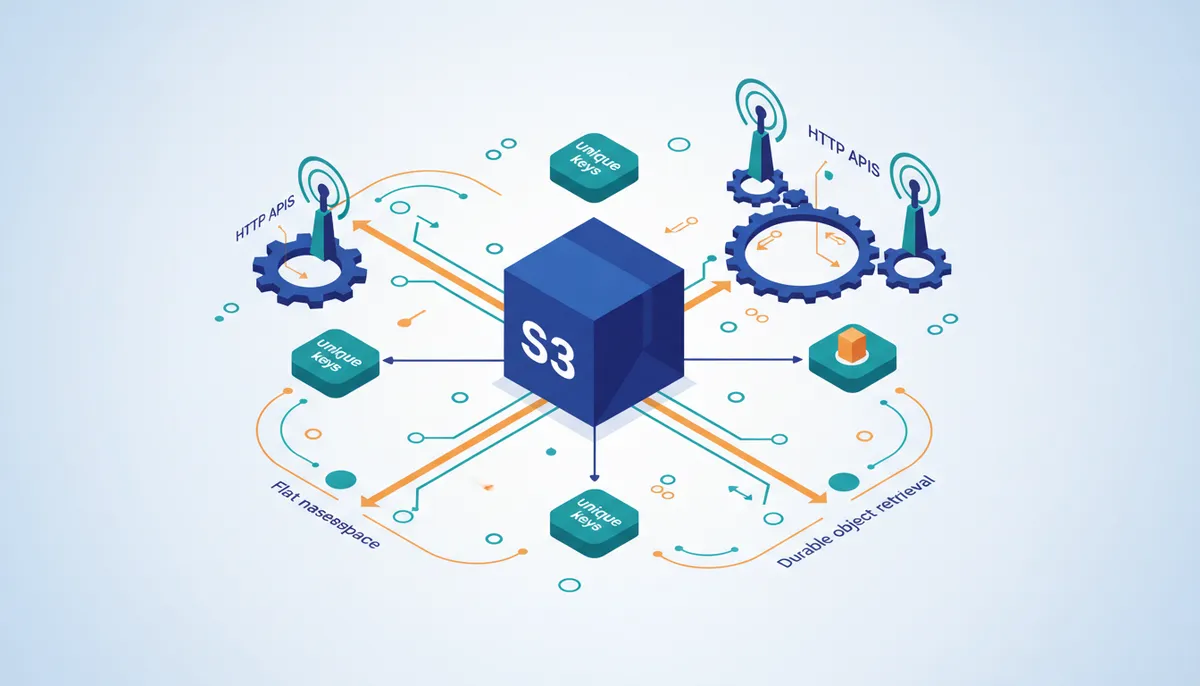
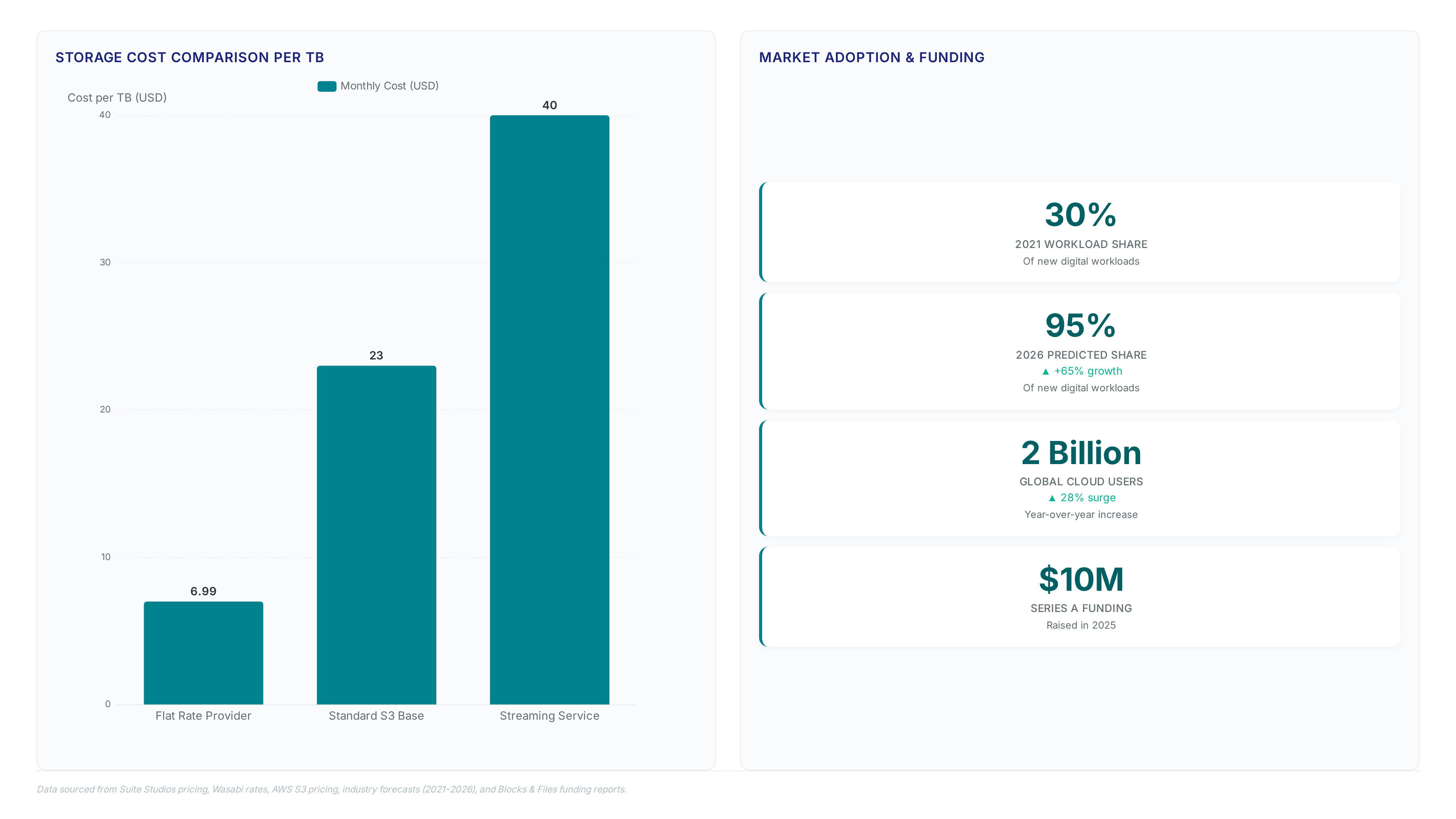
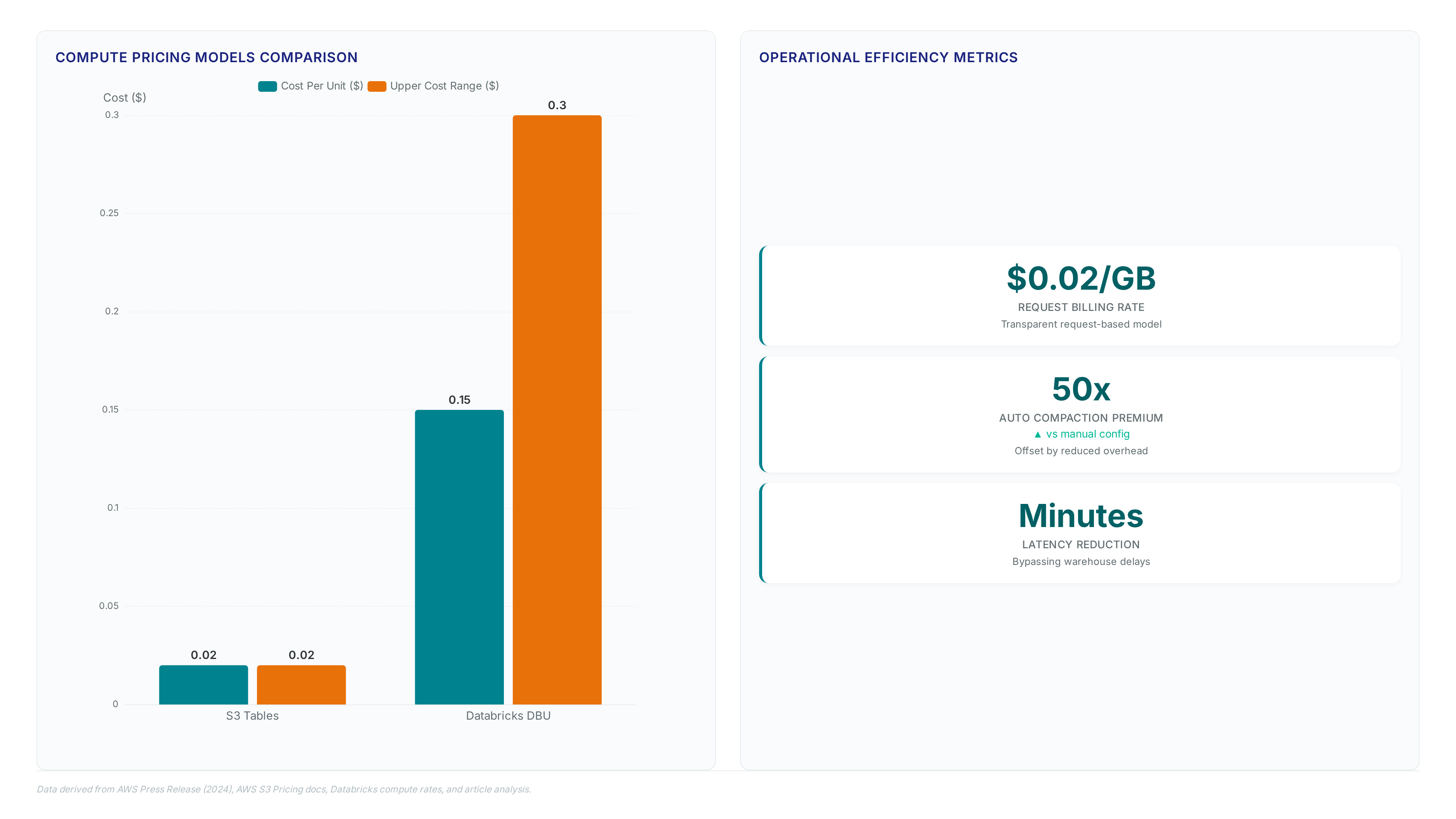
I cut object storage costs from $250 to $5 monthly. Learn the flat namespace architecture powering Netflix and BBC's 25 petabyte migrations today.

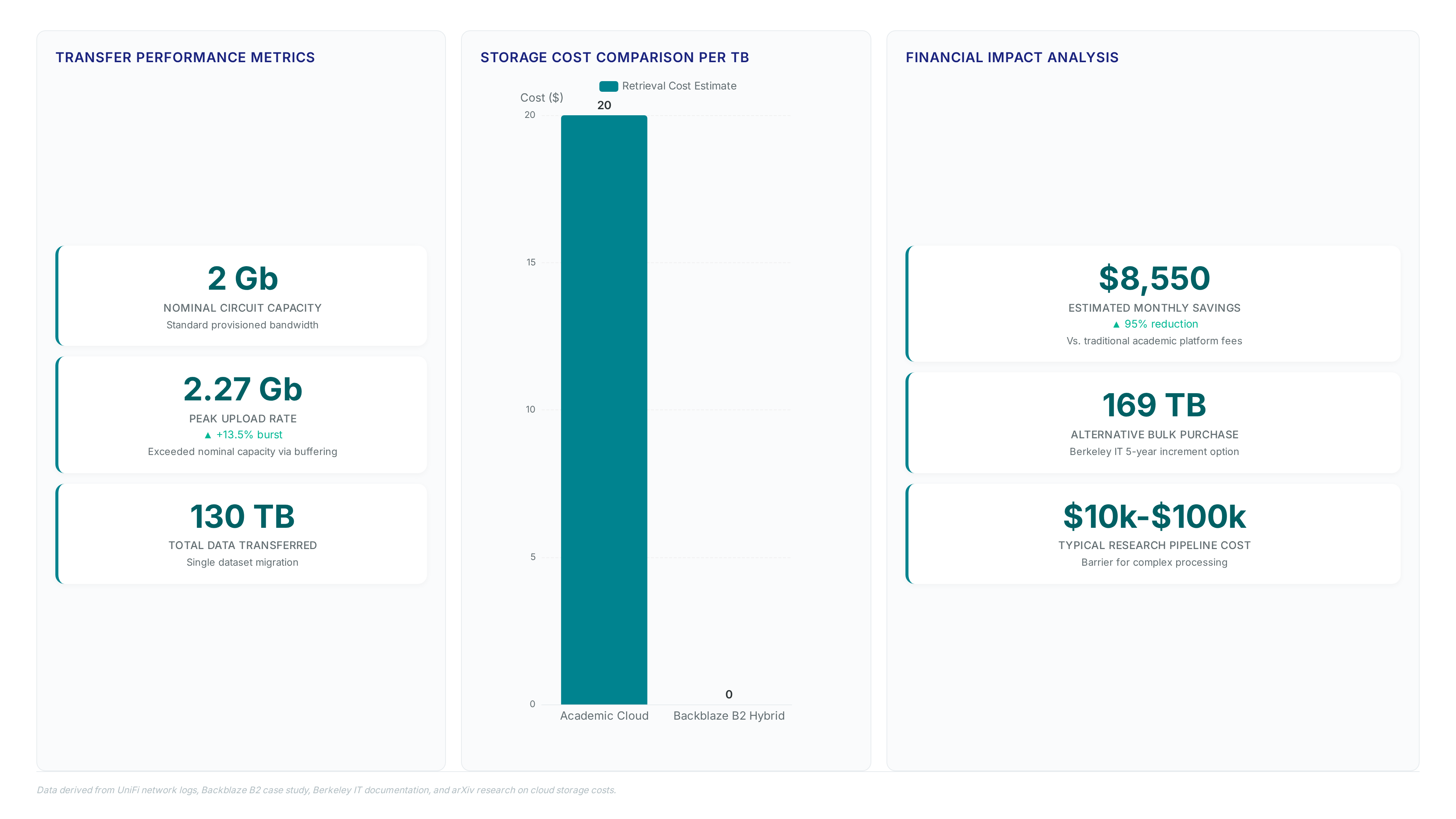
Moving 130 TB of Pi data required sustaining 2 Gbps throughput. Learn why decoupling compute from storage is critical for modern research.

AWS now handles 200M requests per second. I analyze how S3's 20-year API stability enables today's massive AI and genomics workloads.

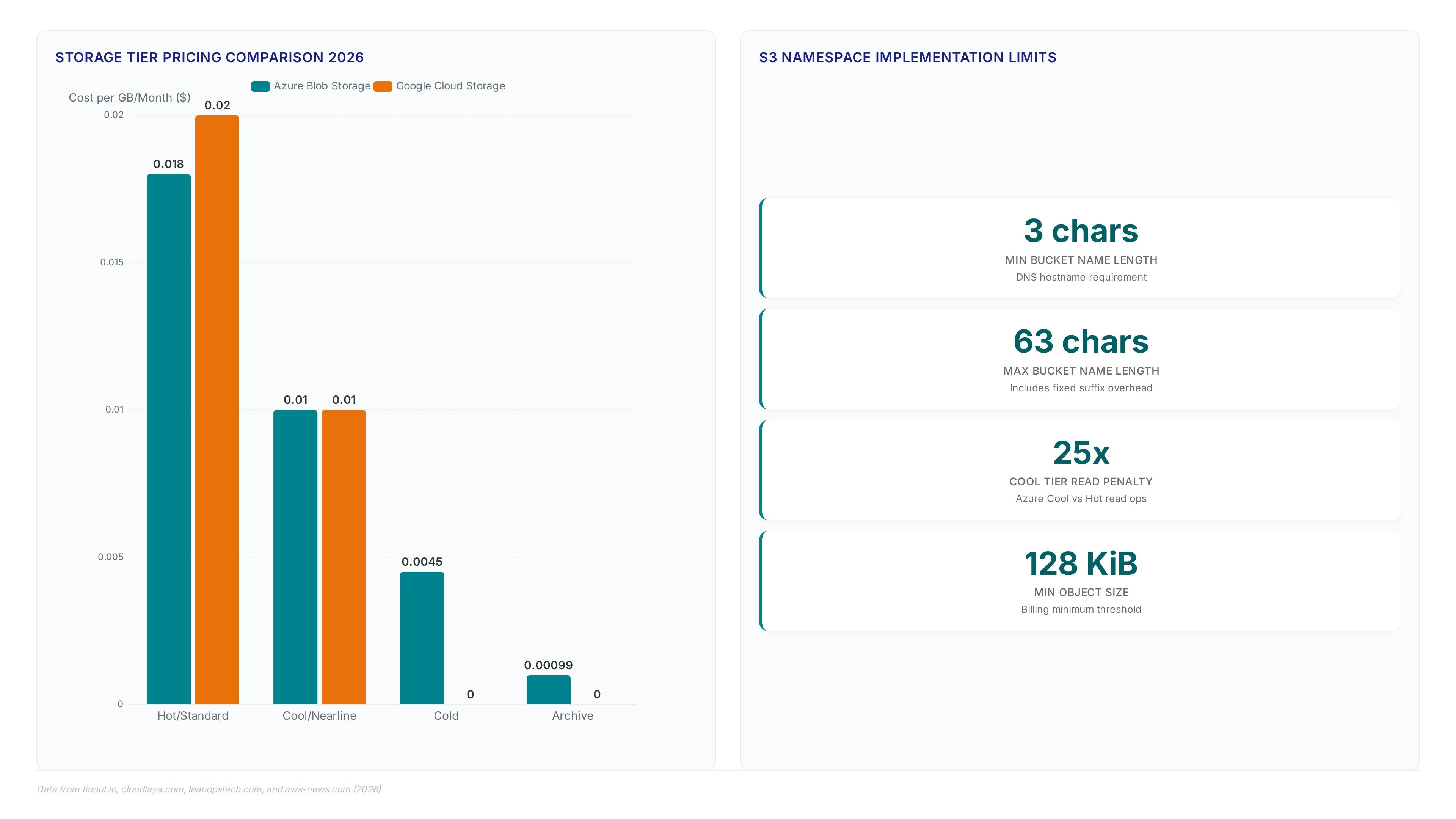
AWS launched account regional namespaces on March 12, 2026. I explain how the new suffix format stops naming collisions in multi-region setups.

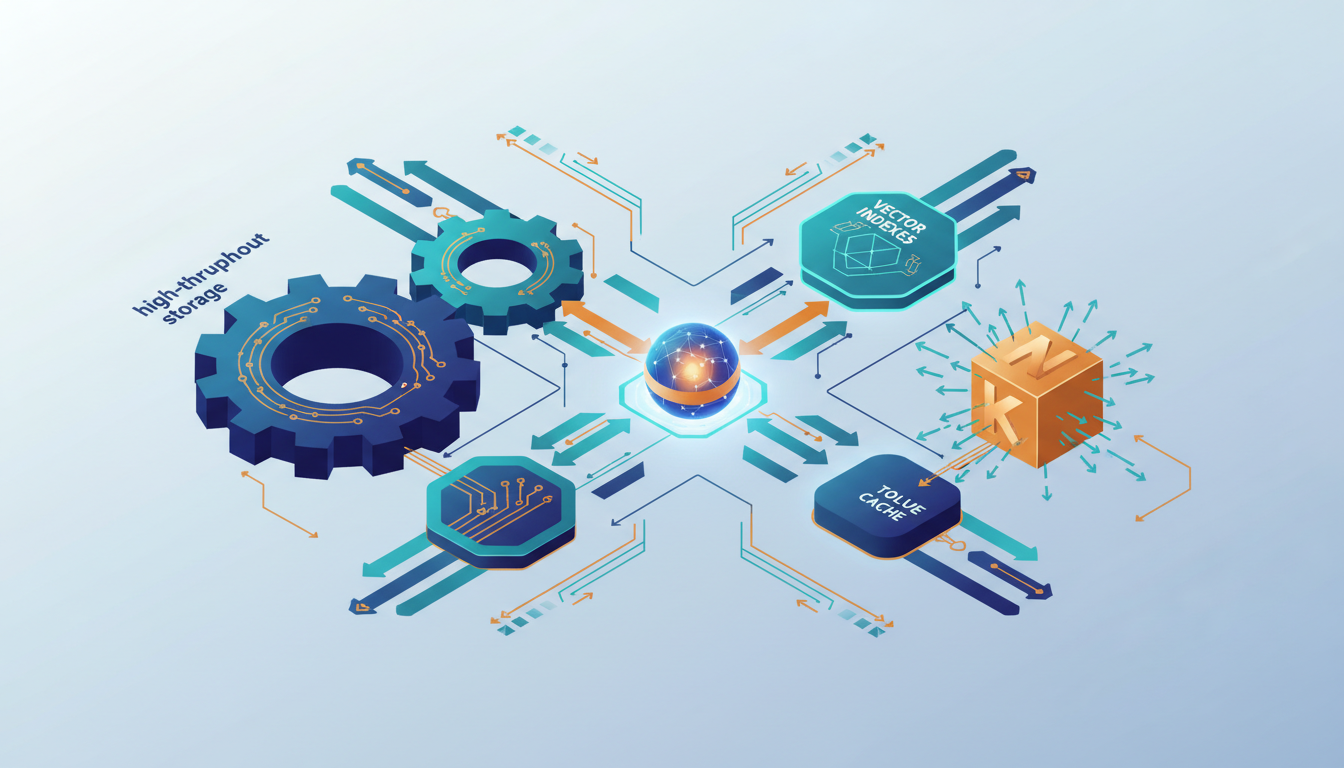
Cut RAG latency by moving embeddings directly into object storage. Learn how S3 Vectors eliminate separate databases for your AI stack.

I cut storage bills 70% by shifting from raw capacity to smart sharding. See how we handle 750 billion data points without the latency.

The 15-hour AWS outage proved multicloud is an illusion if control planes share dependencies. Learn to isolate failures before they cascade.

Stop risking $4.88M breaches. I show how live access replaces replication to satisfy auditors while enabling real-time collaboration across clouds.

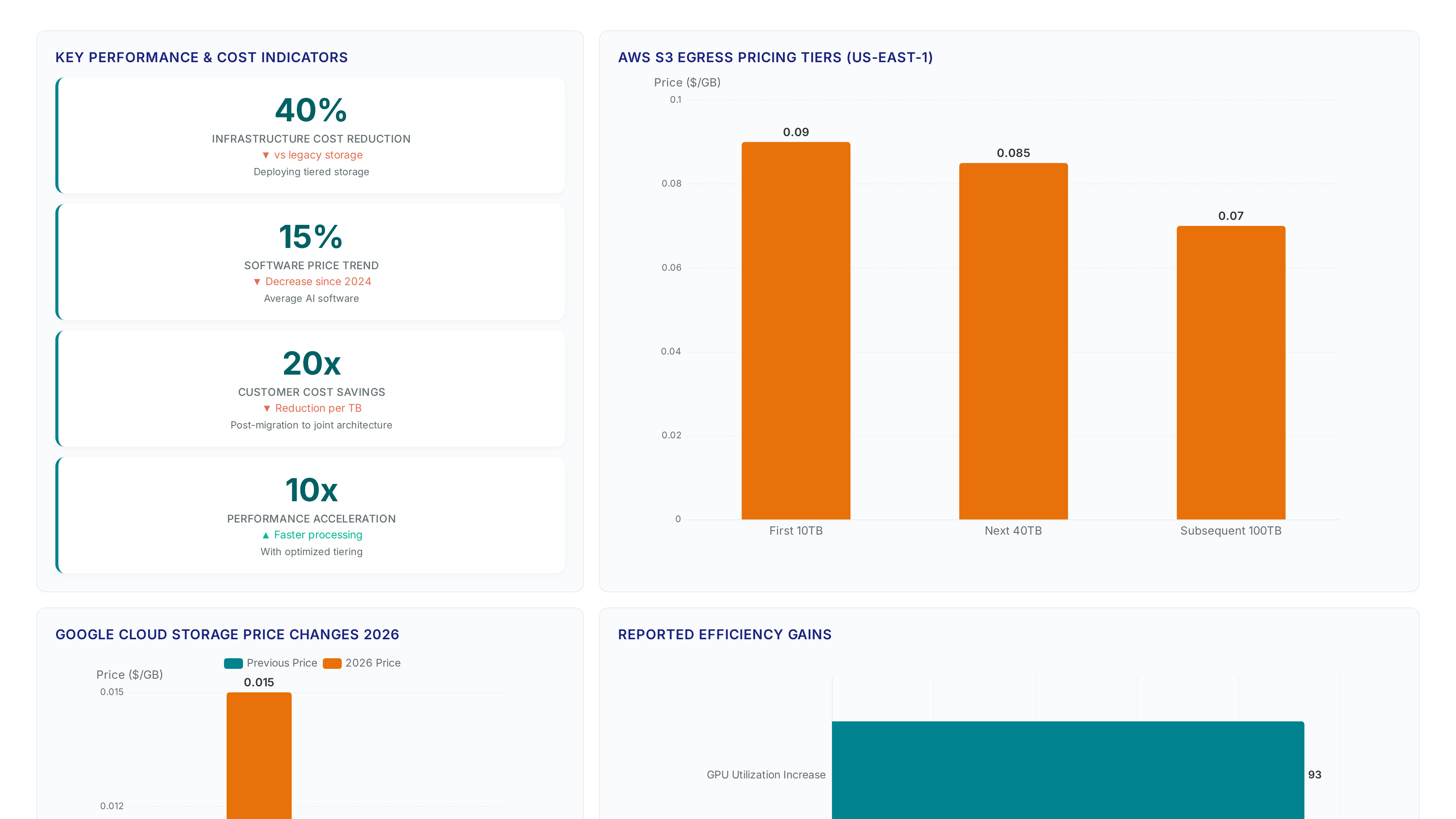
Scality and WEKA prove AI storage can cut costs 20% while boosting performance 10x over standard S3 interfaces.

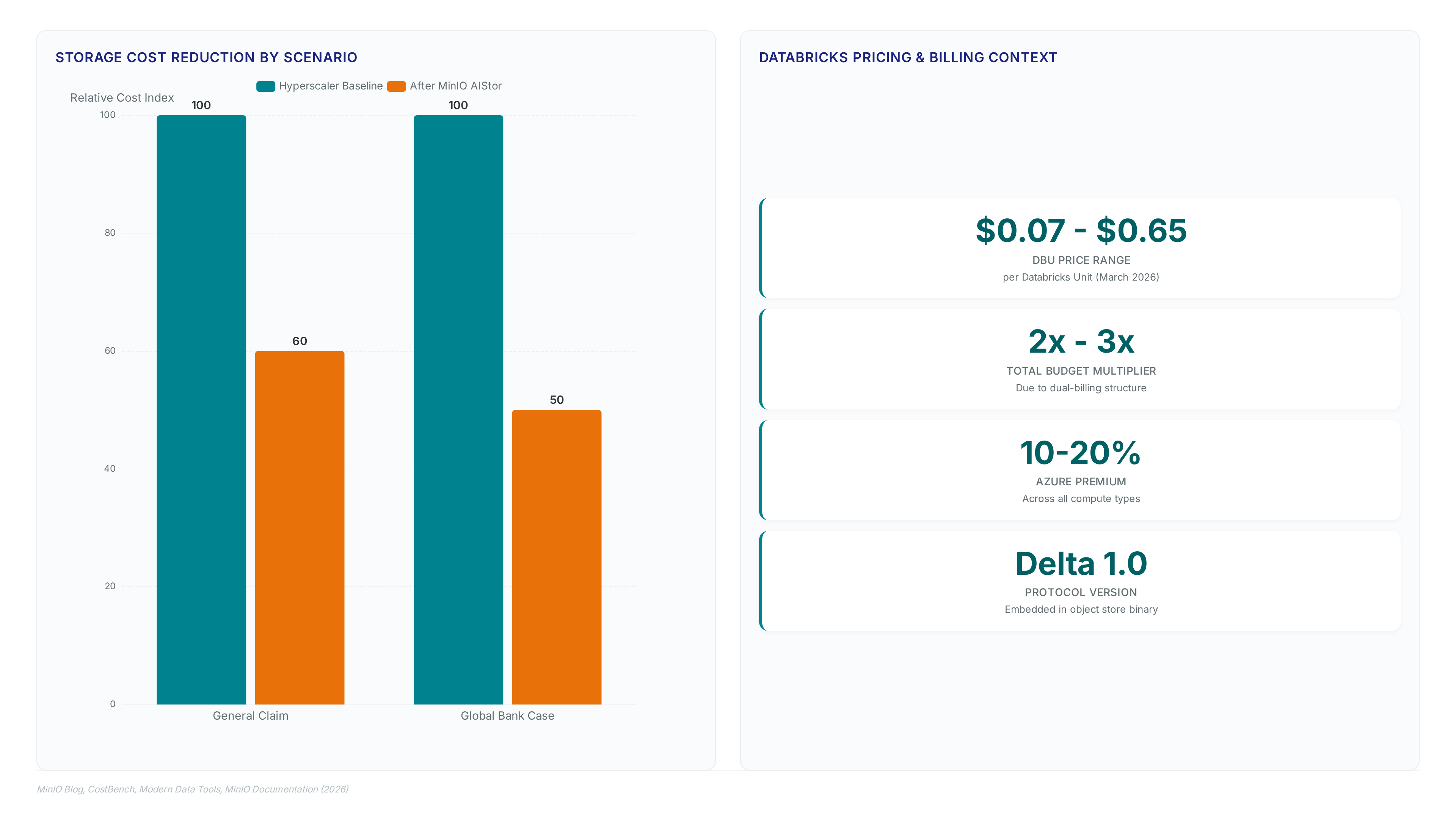
MinIO's March 9, 2026 release embeds Delta Sharing, letting you analyze on-prem data in Databricks without moving petabytes or duplicating governance.

With fewer than 10 percent of enterprises scaling AI, I explain why merging vector and graph models into active memory is the only path forward.

Nutanix hit $2.36B in ARR, but supply bottlenecks delay cash. I break down the 3.1-year contract shift and what it means for your stack.

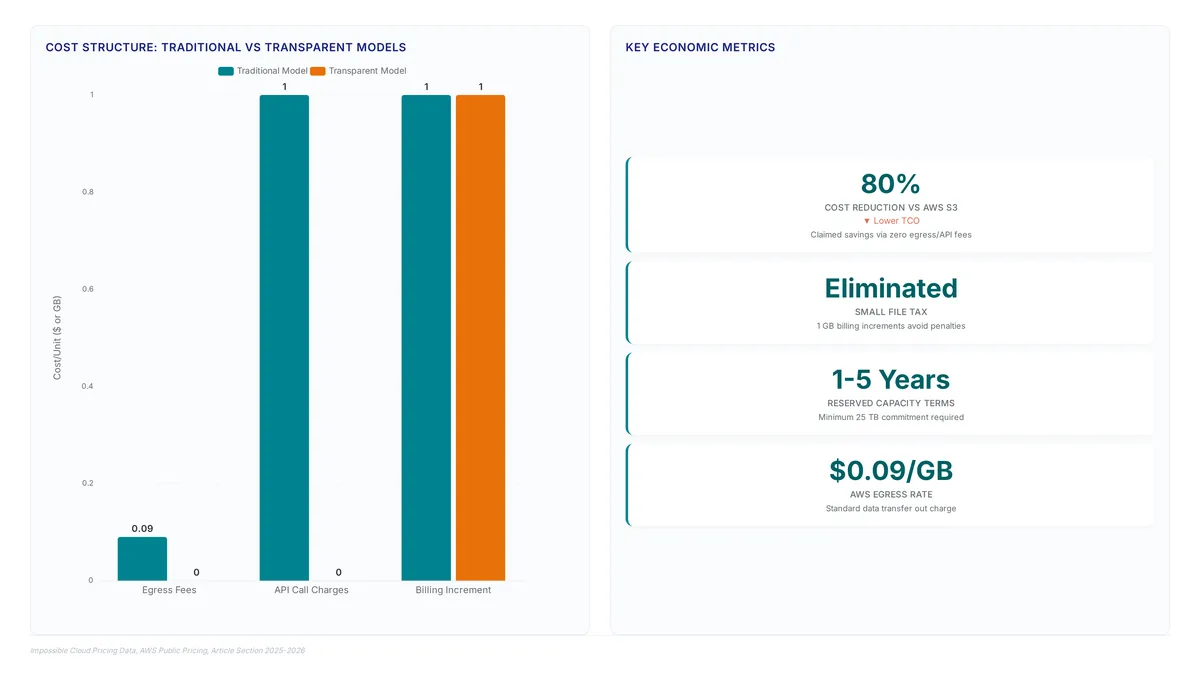
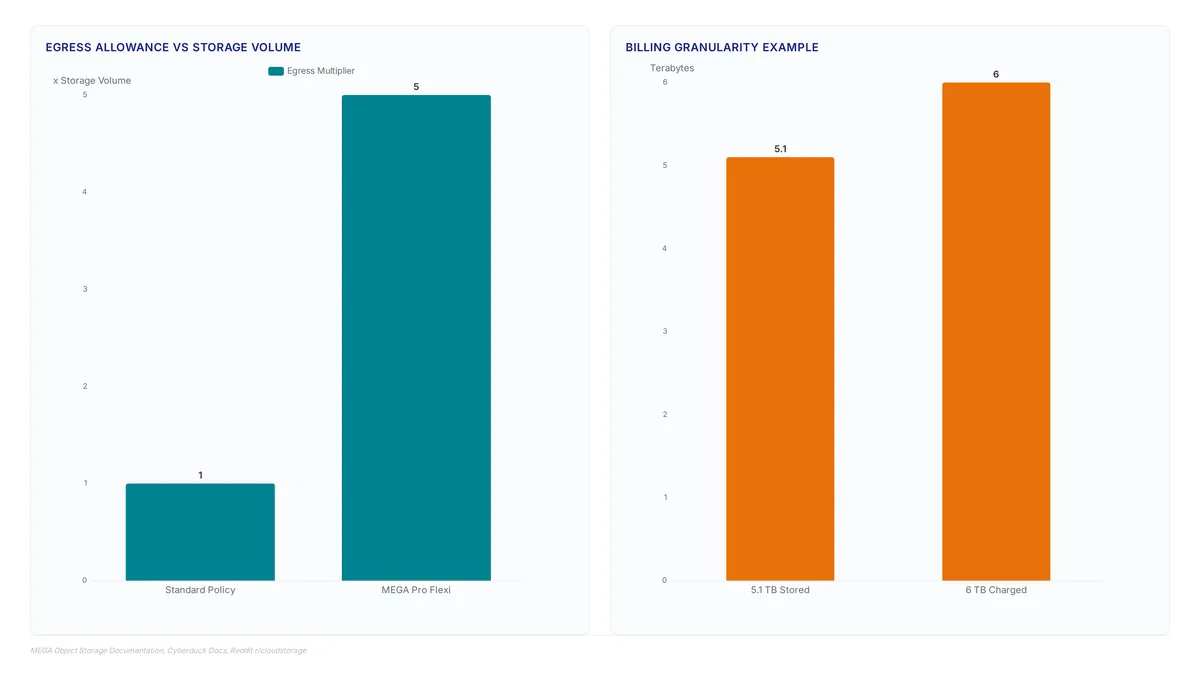
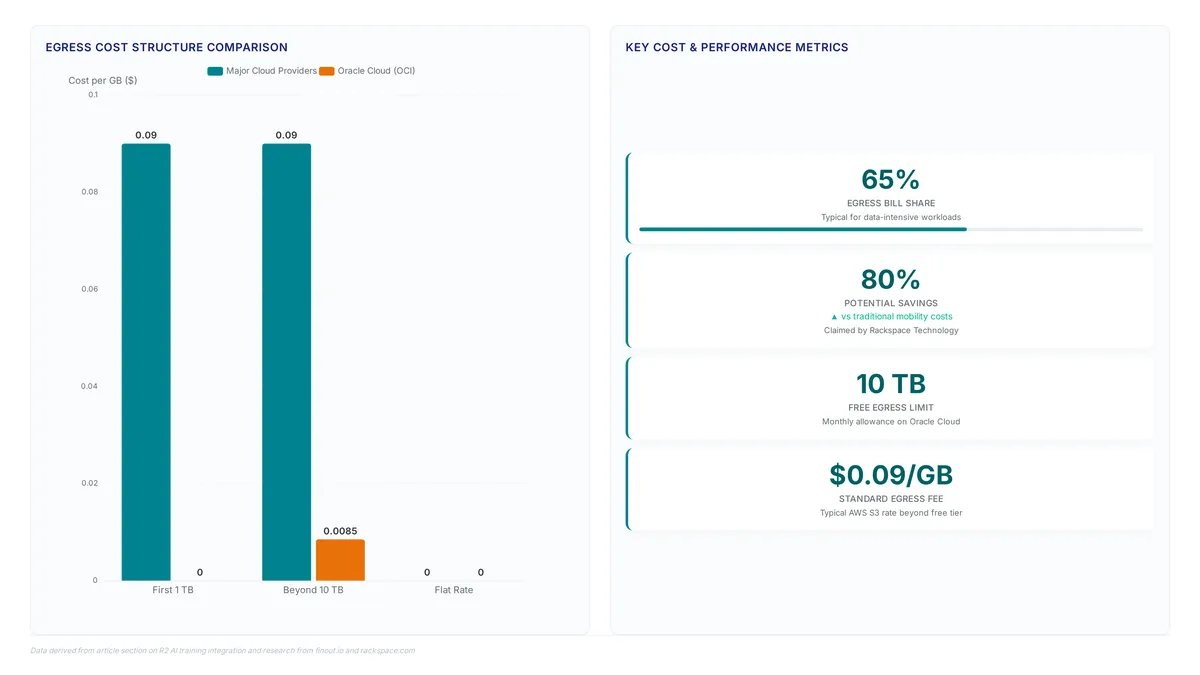
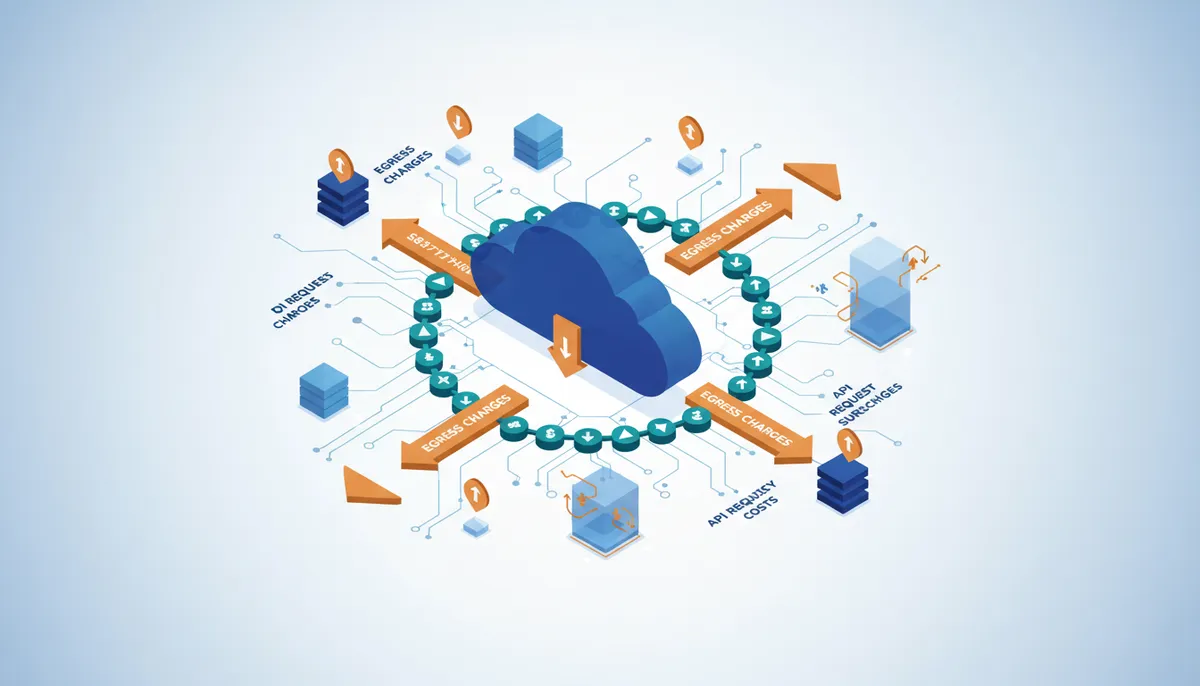
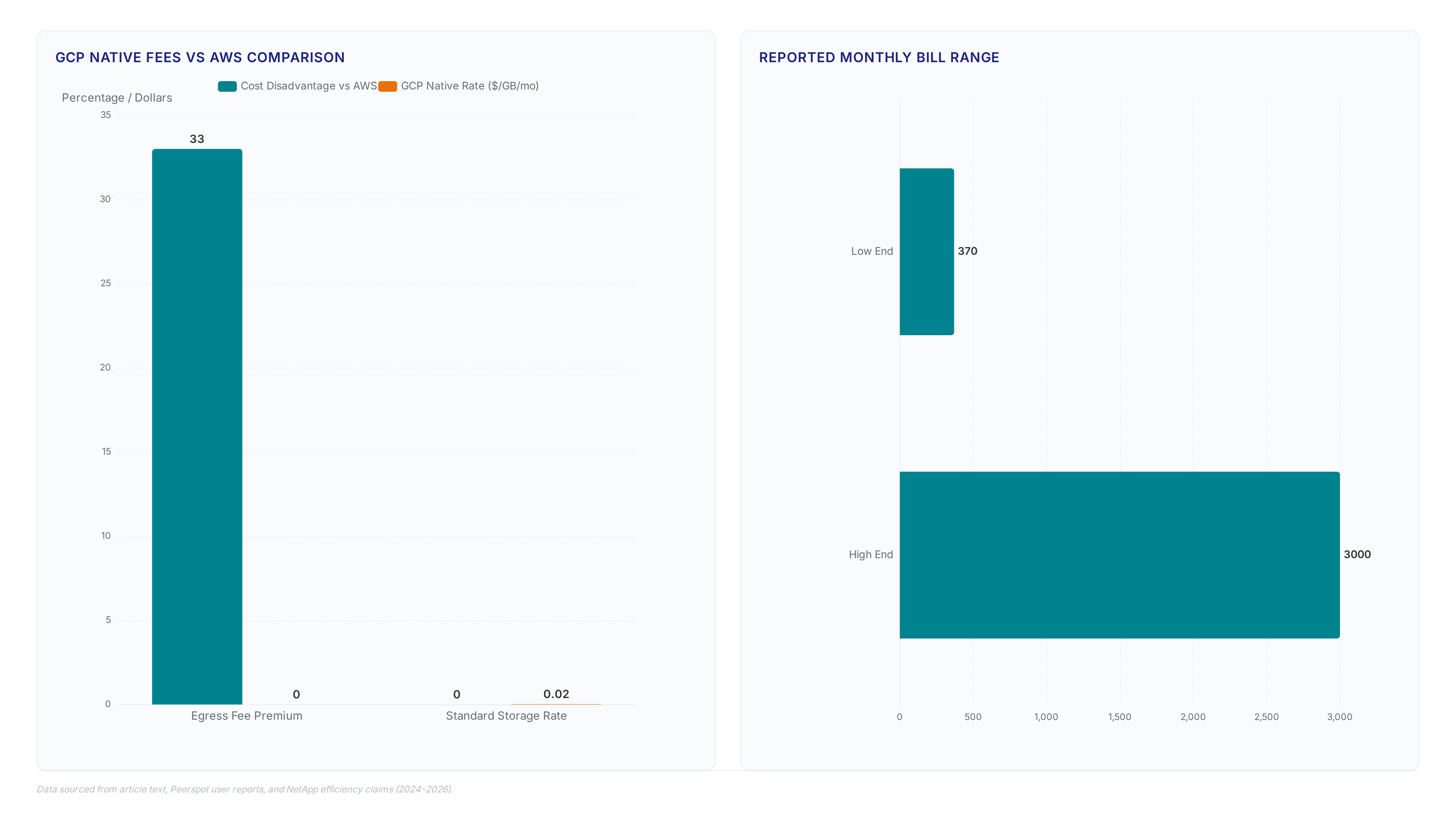
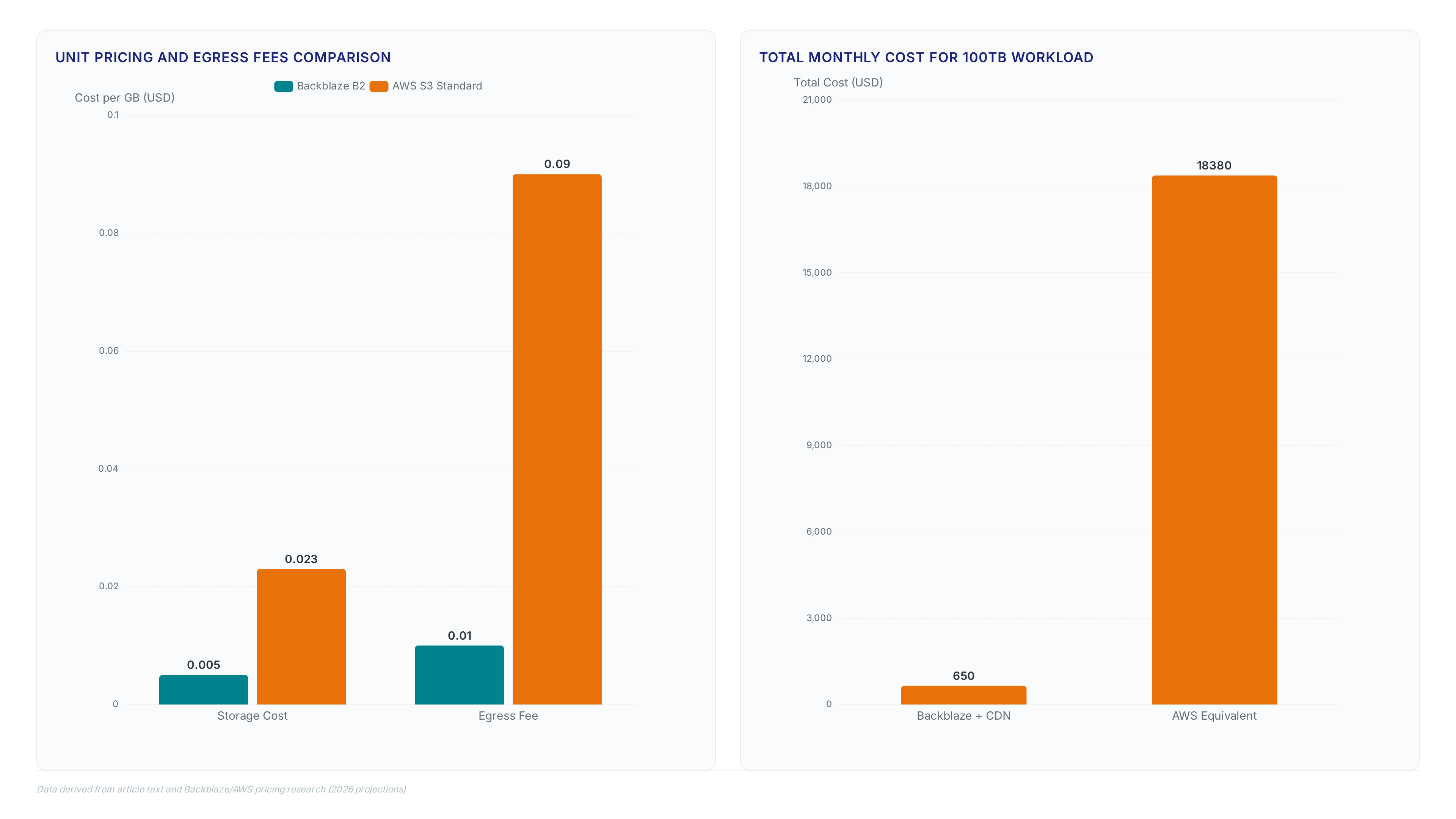
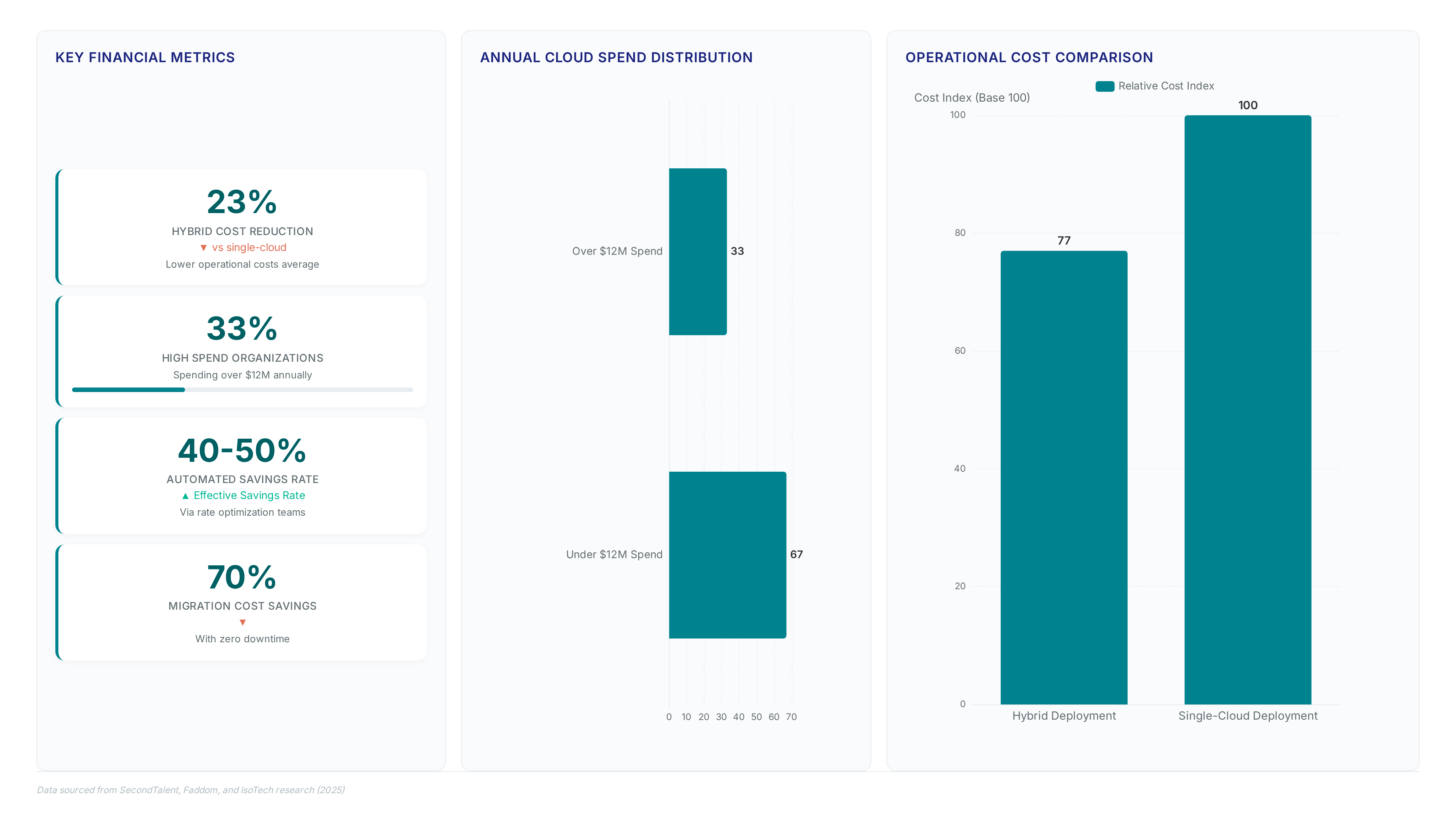
With 49% of firms blowing budgets on hidden fees, I break down how egress charges and API ops erode AI ROI before training starts.

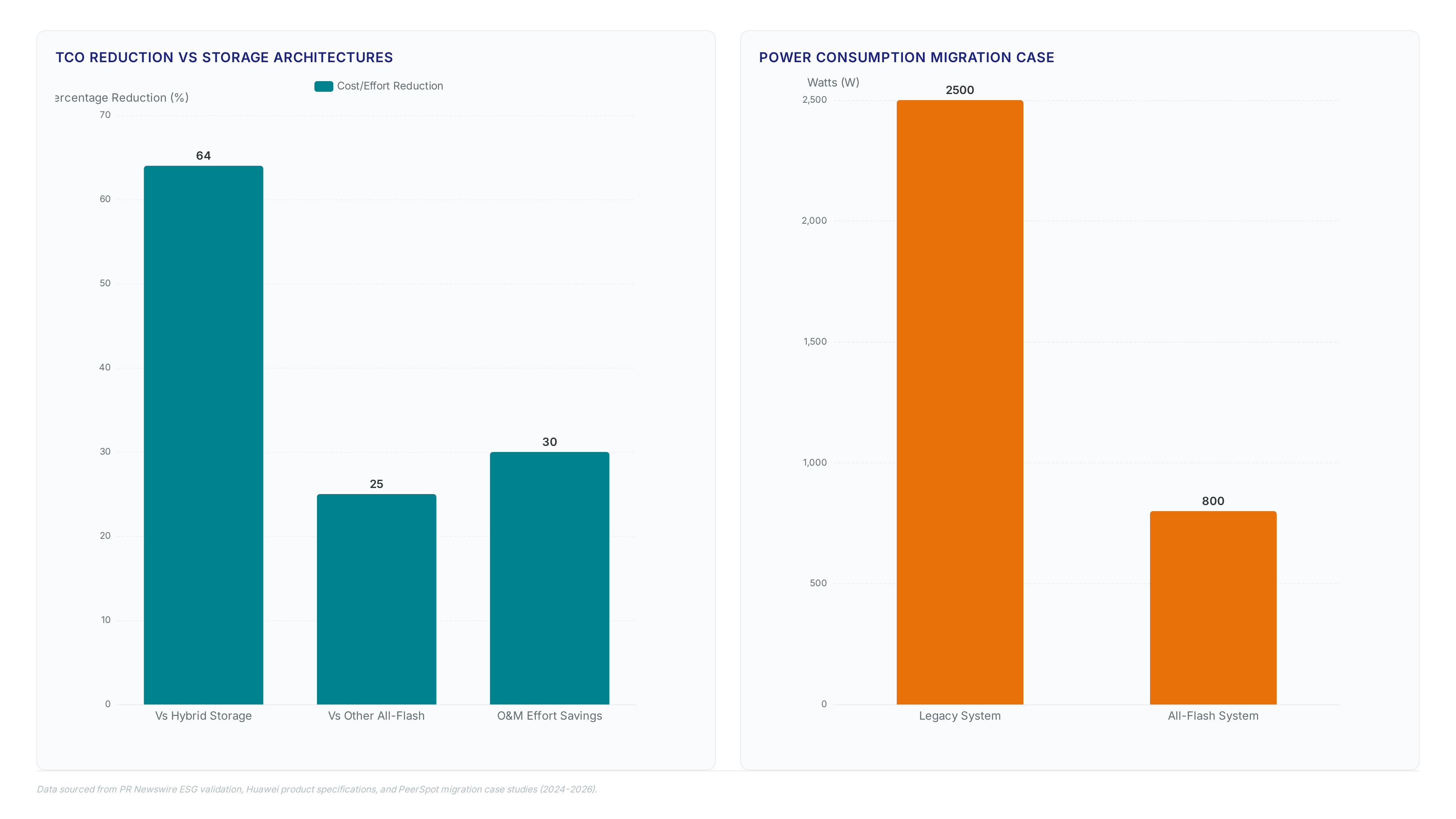
Legacy hybrids fail AI tests. See why sustaining 876,256 IOPS with 32 μs latency makes converged allflash the only viable path forward.

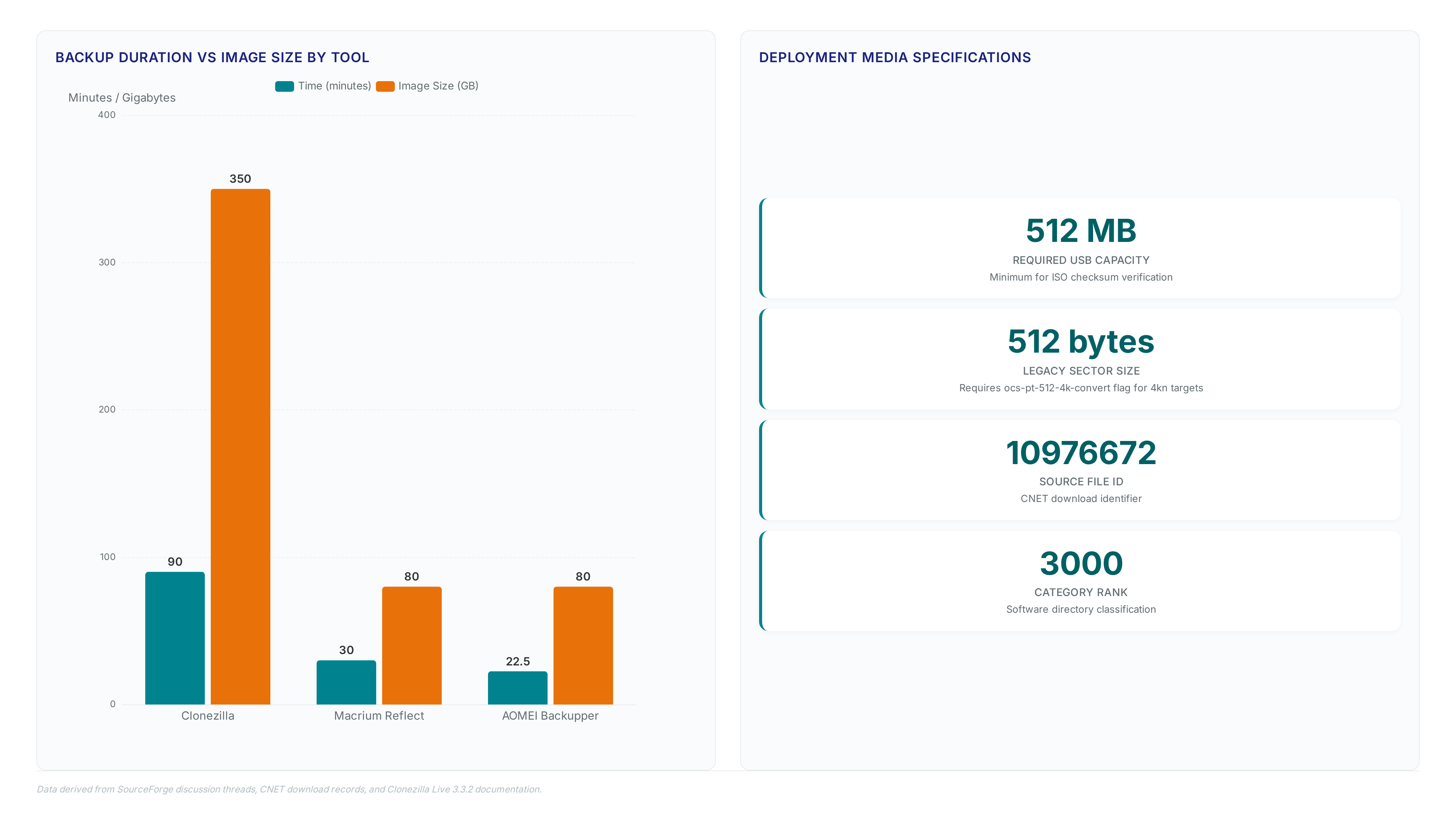
After 50+ restores, I know disk images save days. Learn why byte-for-byte snapshots beat file backups for true disaster recovery.

MinIO's March 3, 2026 launch enables direct Databricks queries on on-prem data, removing complex ETL pipelines entirely.

After 18 years, AWS S3 finally drops global naming rules. Learn how account-regional namespaces let teams use simple prefixes like "logs" safely.

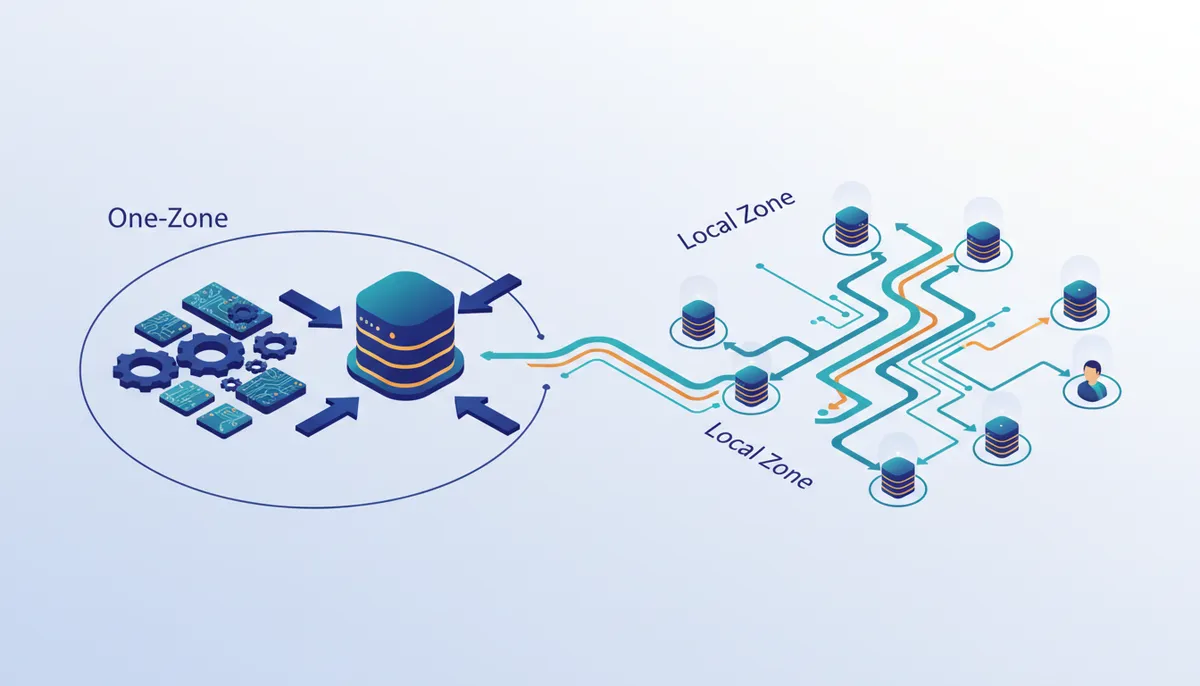
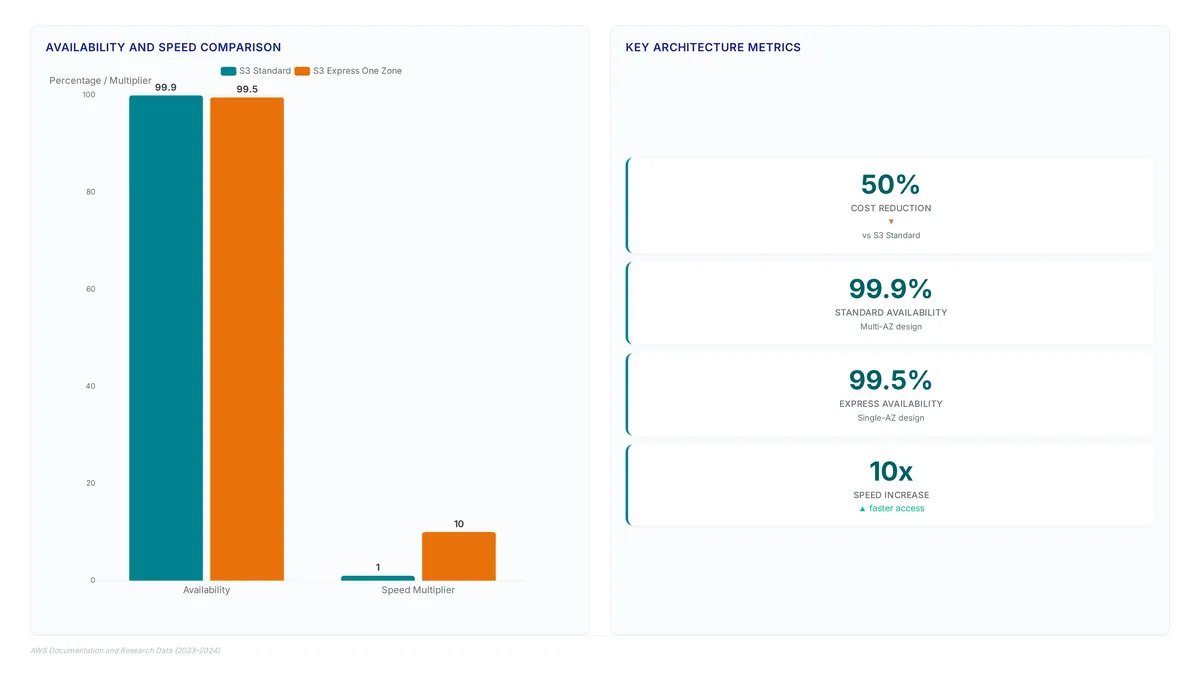
AWS added minute-level metrics to Express One Zone. I show how to validate those single-digit millisecond latency claims using the new CloudWatch data points.

Web Streams design causes 2x–120x slowdowns. I analyze why legacy locking kills throughput and how async iteration fixes it for Node and Workers.

The Feb 27, 2026 QBO and MinIO alliance solves AI latency. I break down how this exascale shift cuts training time.

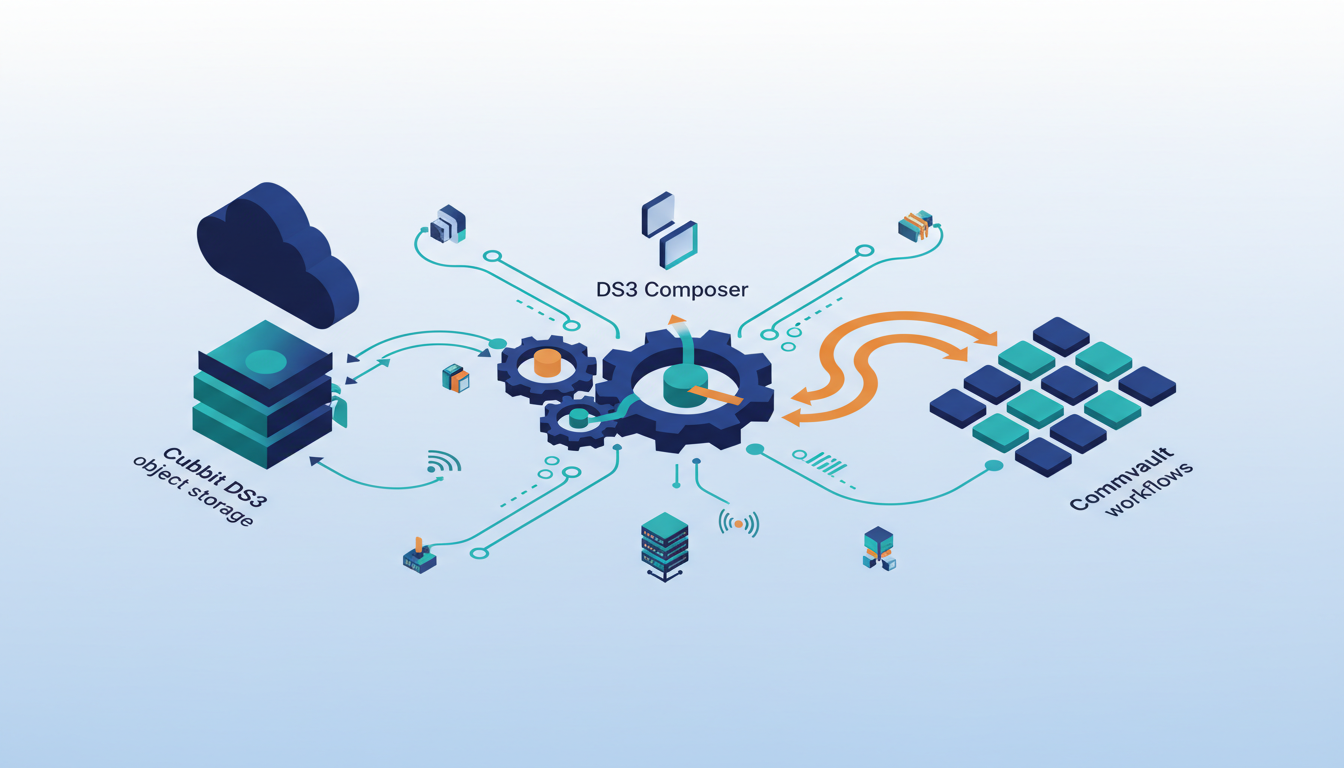
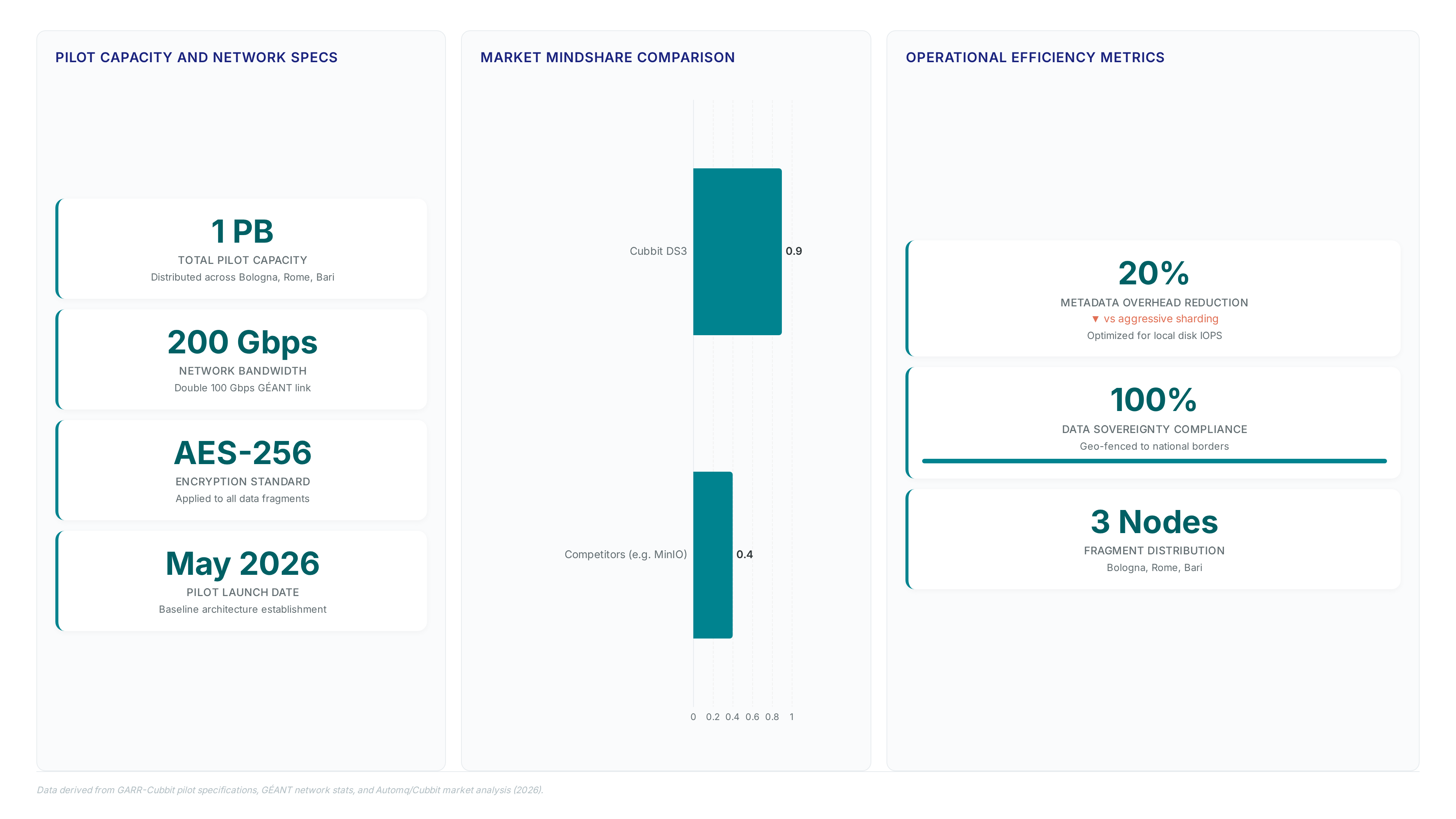
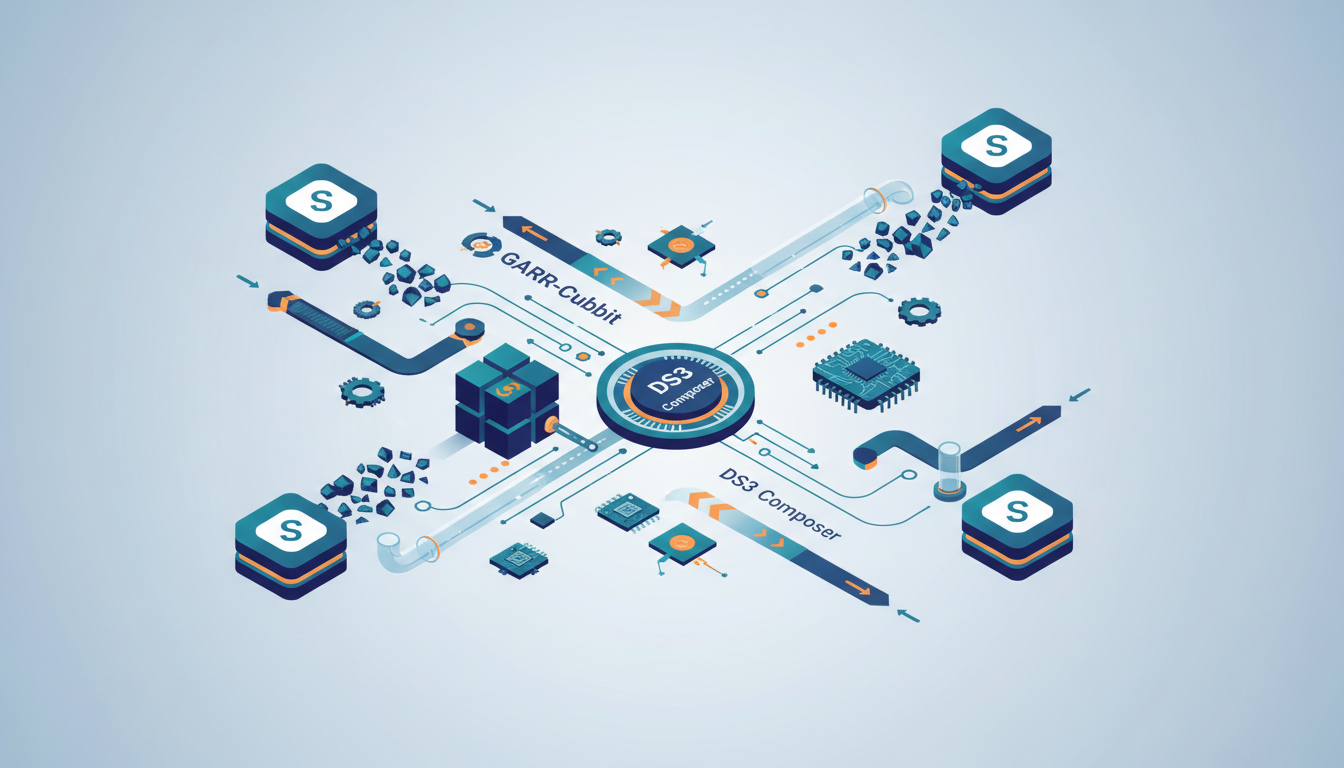
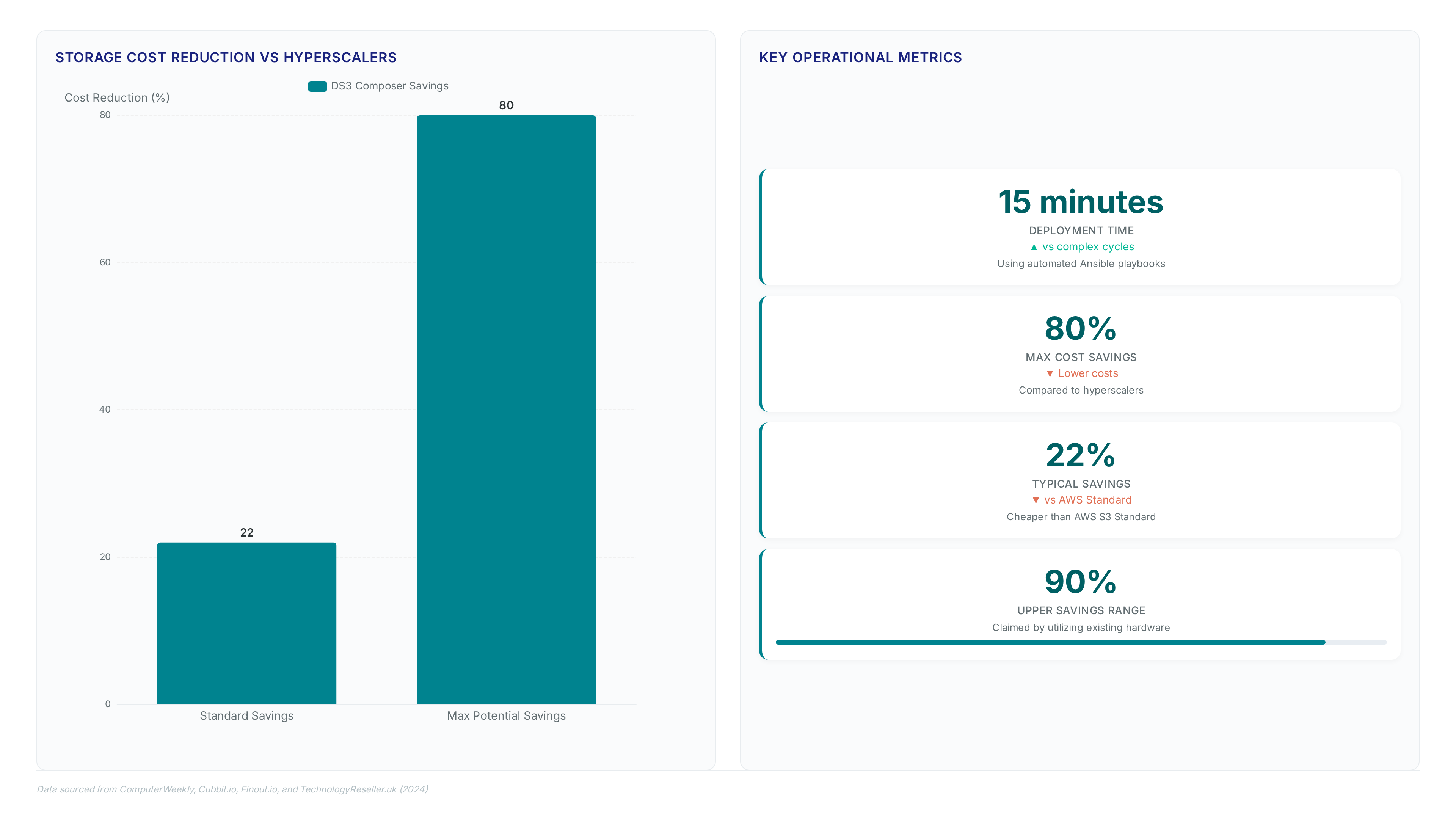
Ailanto launches 1 PB Swiss sovereign cloud. I analyze how DS3 Composer shards data to block US Cloud Act access while keeping S3 compatibility.

Skip reingesting terabytes. Our S3 native approach streams only needed bytes, cutting iteration time while keeping your single source of truth intact.

AI training demand is surging 35% annually, yet storage bottlenecks persist. I analyze why generic object stores fail neocloud GPU workloads.

Scality RING and WEKA cut infrastructure costs 20% while keeping GPUs fed. I break down the hybrid architecture that finally works.

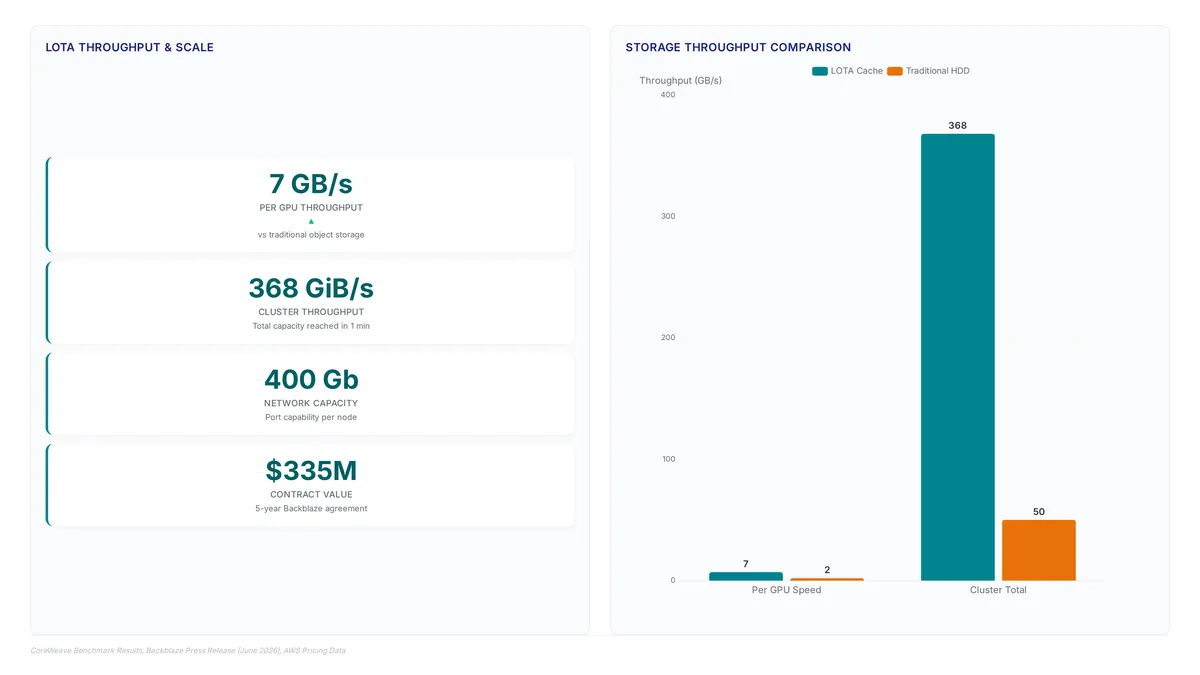
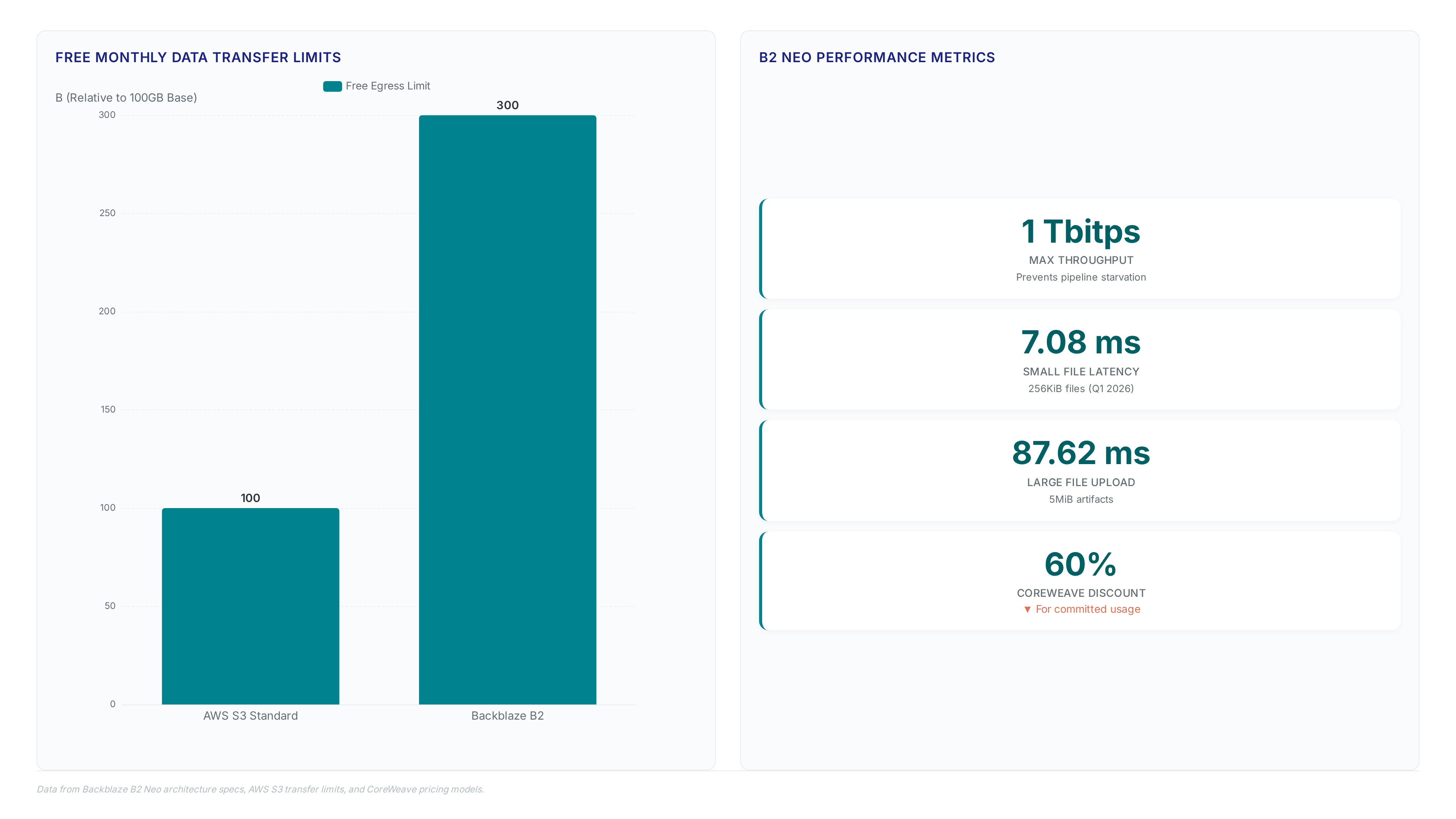
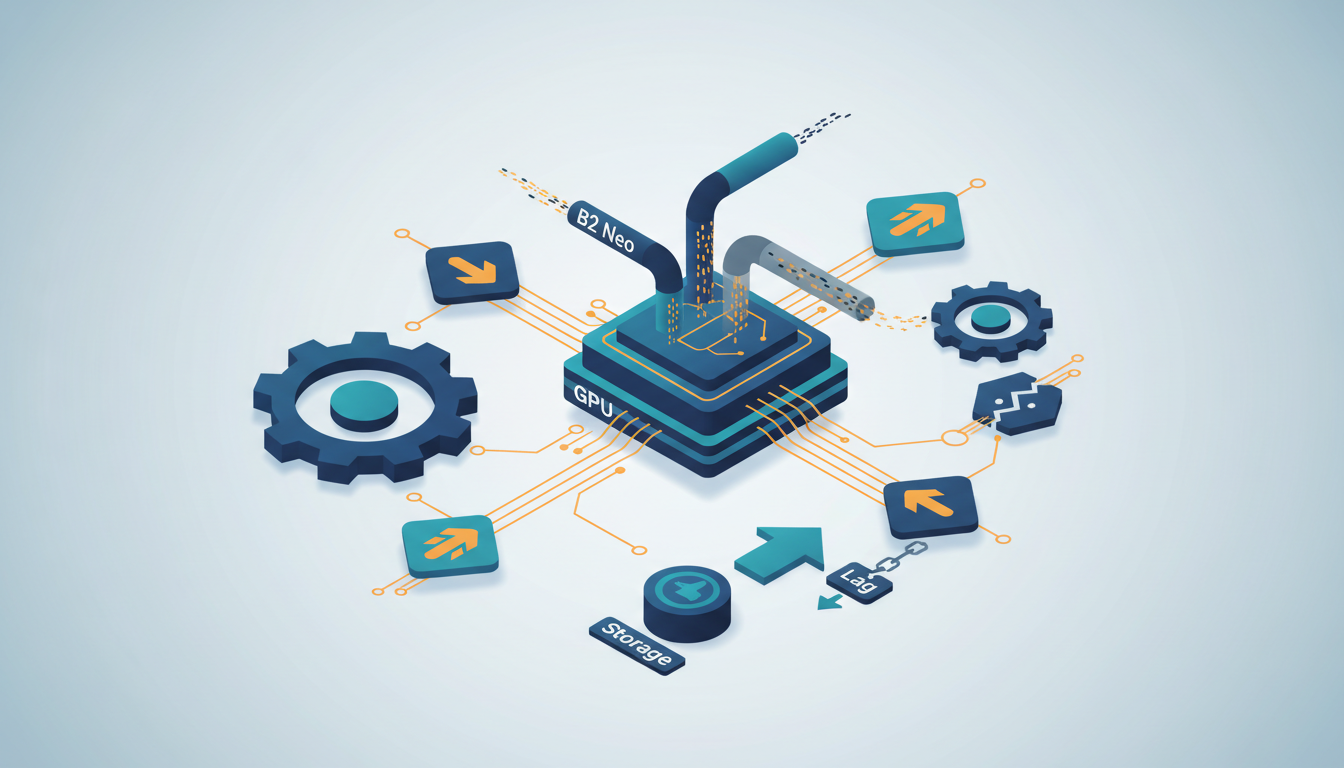
B2 Neo hits 1 Tbps throughput to stop AI training stalls. I analyze why singletier architecture beats complex hyperscaler tiering for neoclouds.

I reduced debugging by 40% using FastAPI type hints. Learn how Pydantic validation and Starlette handle 20k requests without blocking threads.

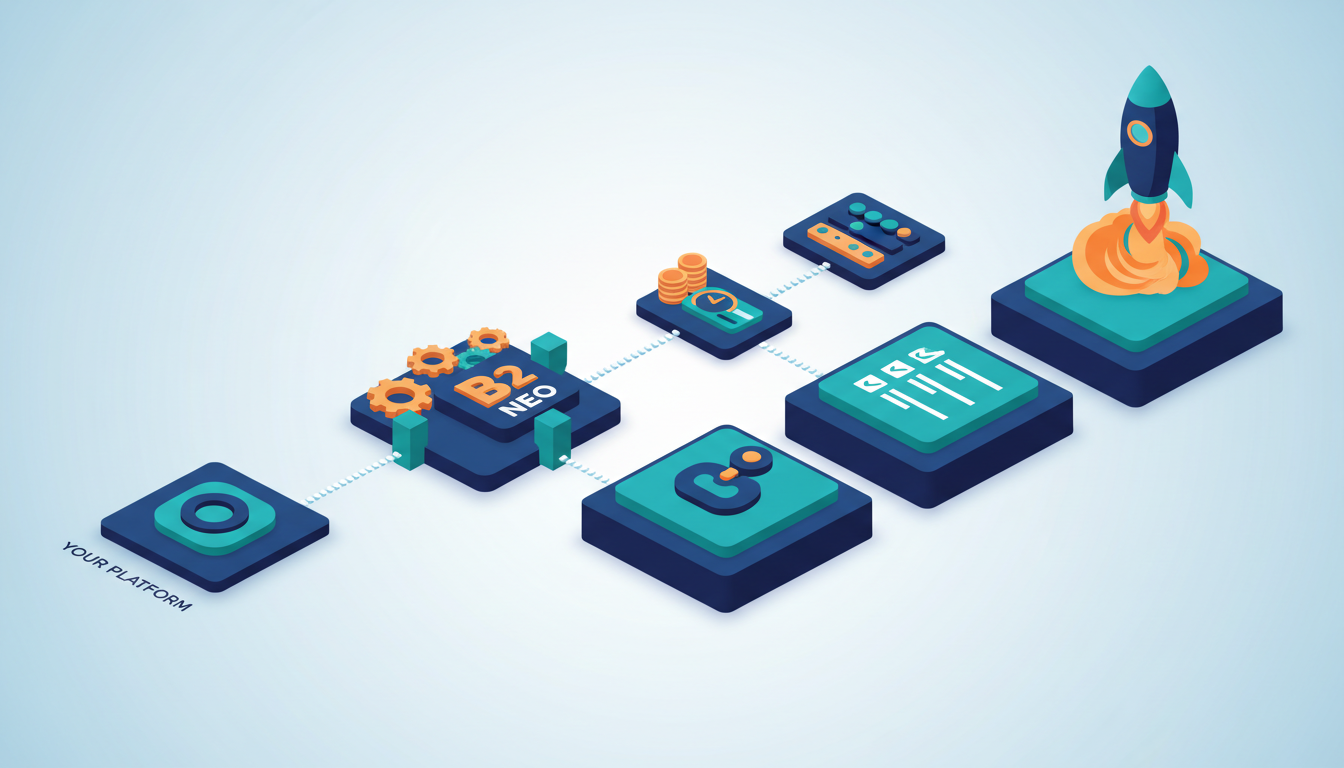
Stop wasting 18 months building storage. B2 Neo gives GPU farms a whitelabel S3 backend with 1 Tbitps throughput in just weeks.

Deploy a data mesh in 5 steps without touching legacy code. Learn how SageMaker Catalog bridges accounts while keeping your S3 buckets untouched.

Gartner predicts 60% of AI initiatives will fail due to bad data. See how Kappa's serverless Python functions fix pipelines without moving petabytes.

With 80% of early AI budgets burned on compute, storage became an afterthought. Learn why treating data as disposable breaks production pipelines today.

Alex Kumar explains why 80% of early AI budgets burn on compute while storage bottlenecks stall production pipelines and inflate costs.

Early AI projects wasted 80% of budgets on compute. Learn why fixing storage infrastructure is the only way to unblock production inference pipelines today.

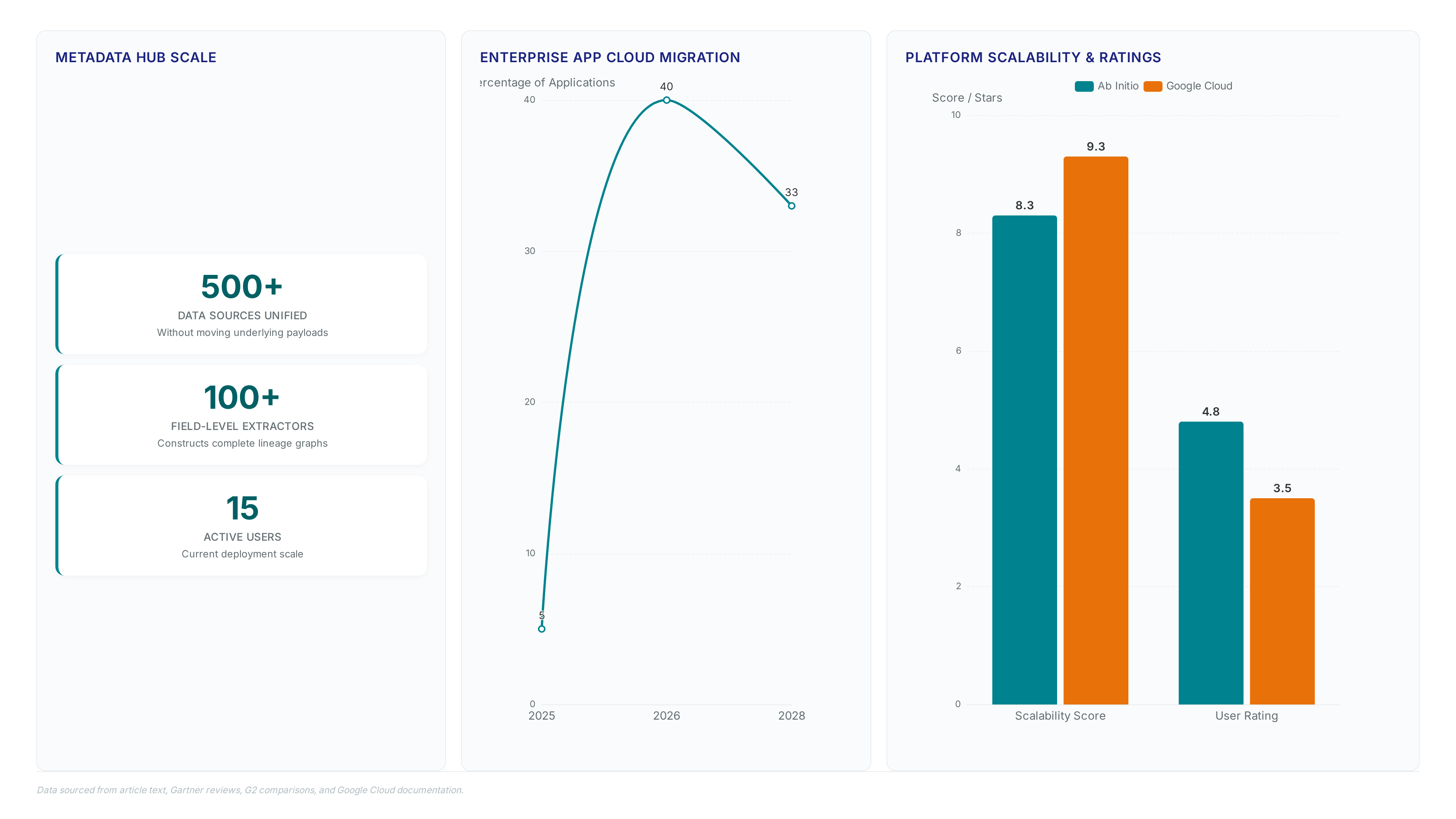
Without field-level lineage from 500+ sources, your agentic AI will hallucinate. See how active metadata fixes broken autonomous agents today.

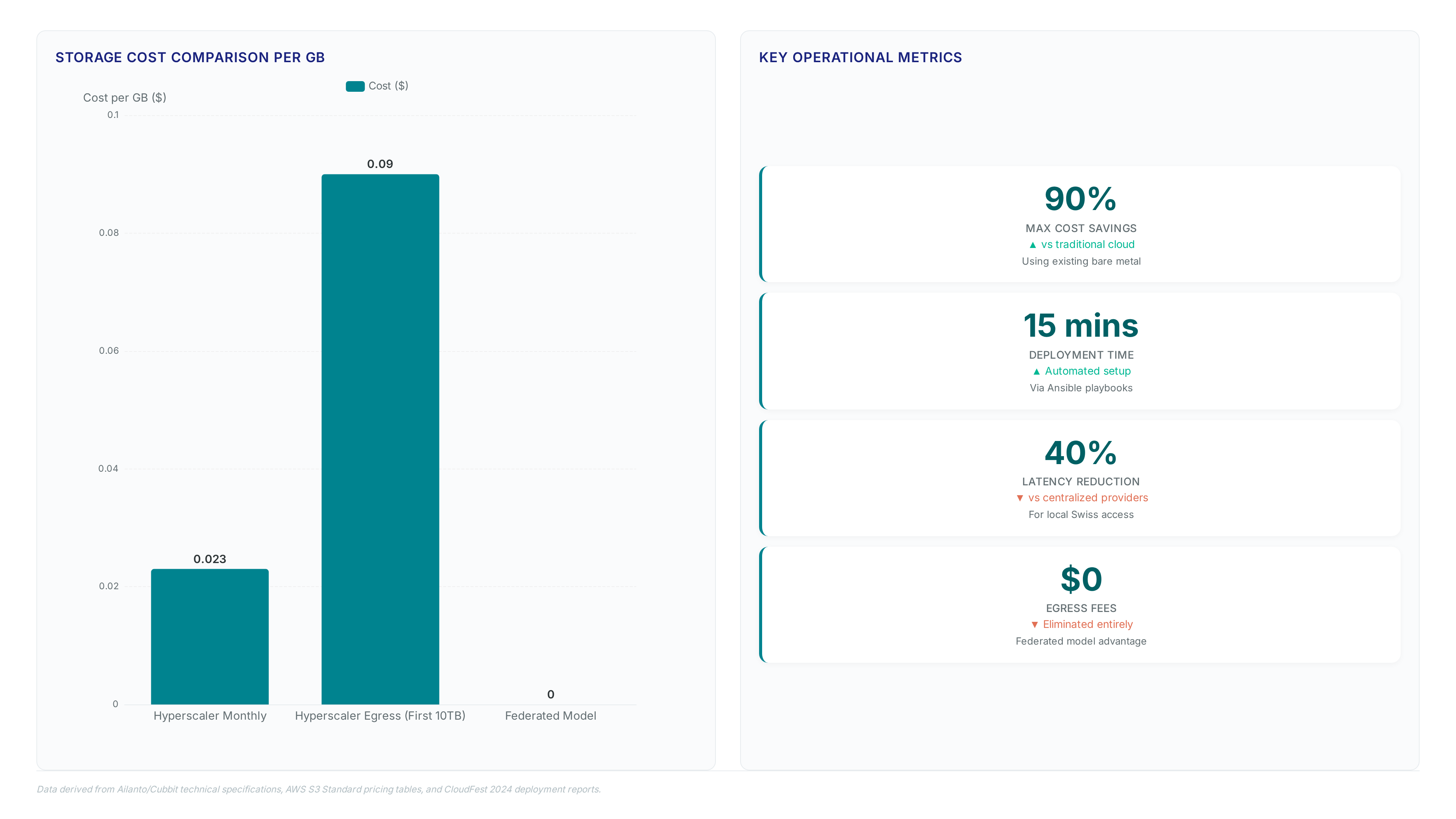
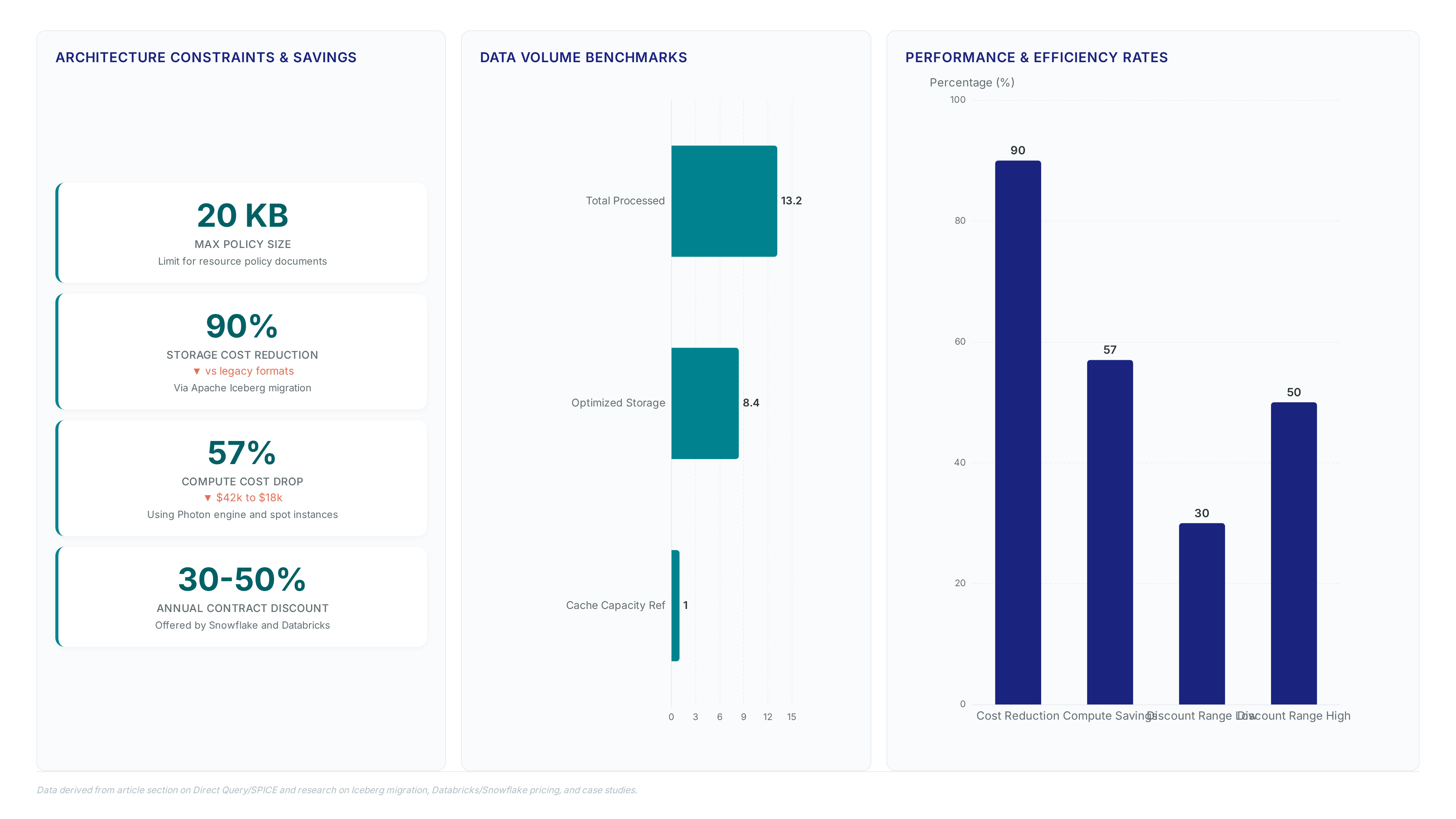
See how Swiss cantons bypass US CLOUD Act risks with federated storage, saving up to 90% on cloud costs while keeping data local.

Manual fails under pressure. Learn how automated backups define strict RPOs and survive attacks with zero data loss gaps.
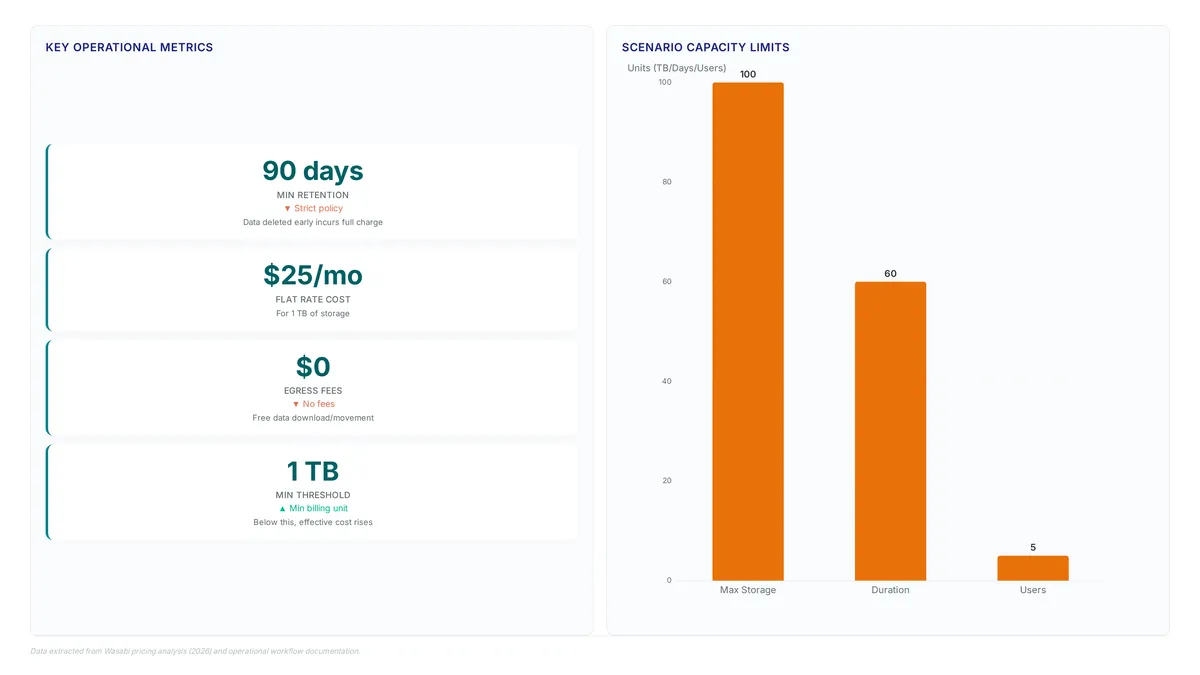
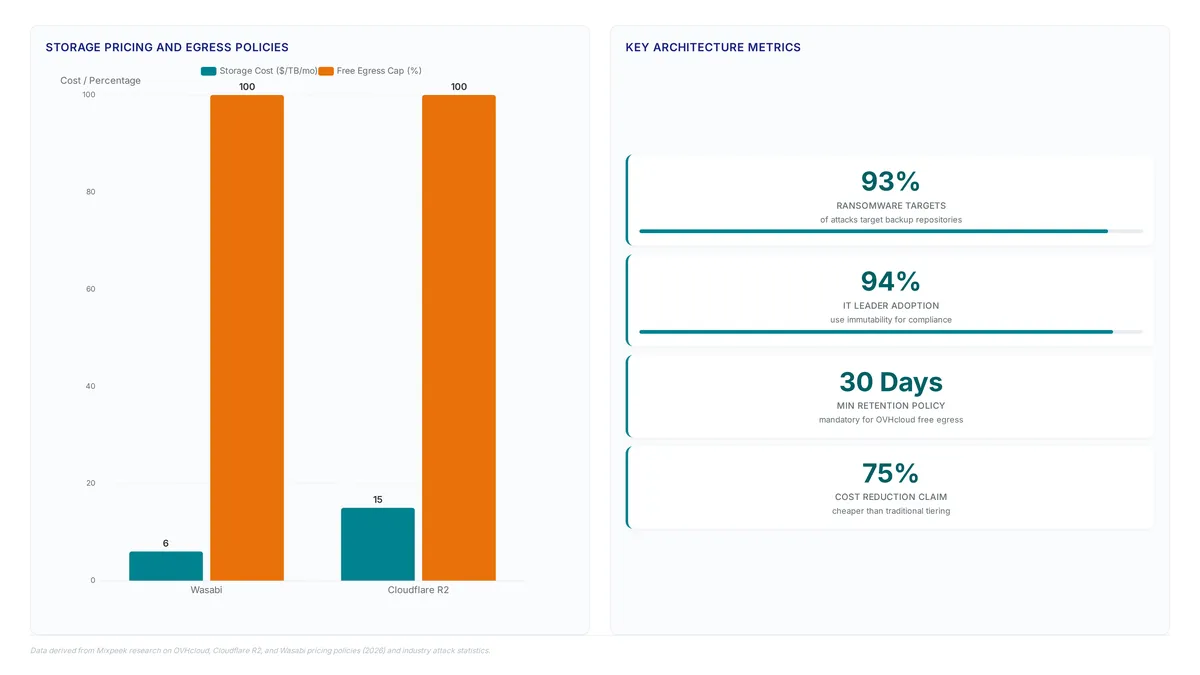
The Feb 10, 2026 Synology-Wasabi deal removes egress fees. I explain how this native integration secures your offsite copies without API surprises.

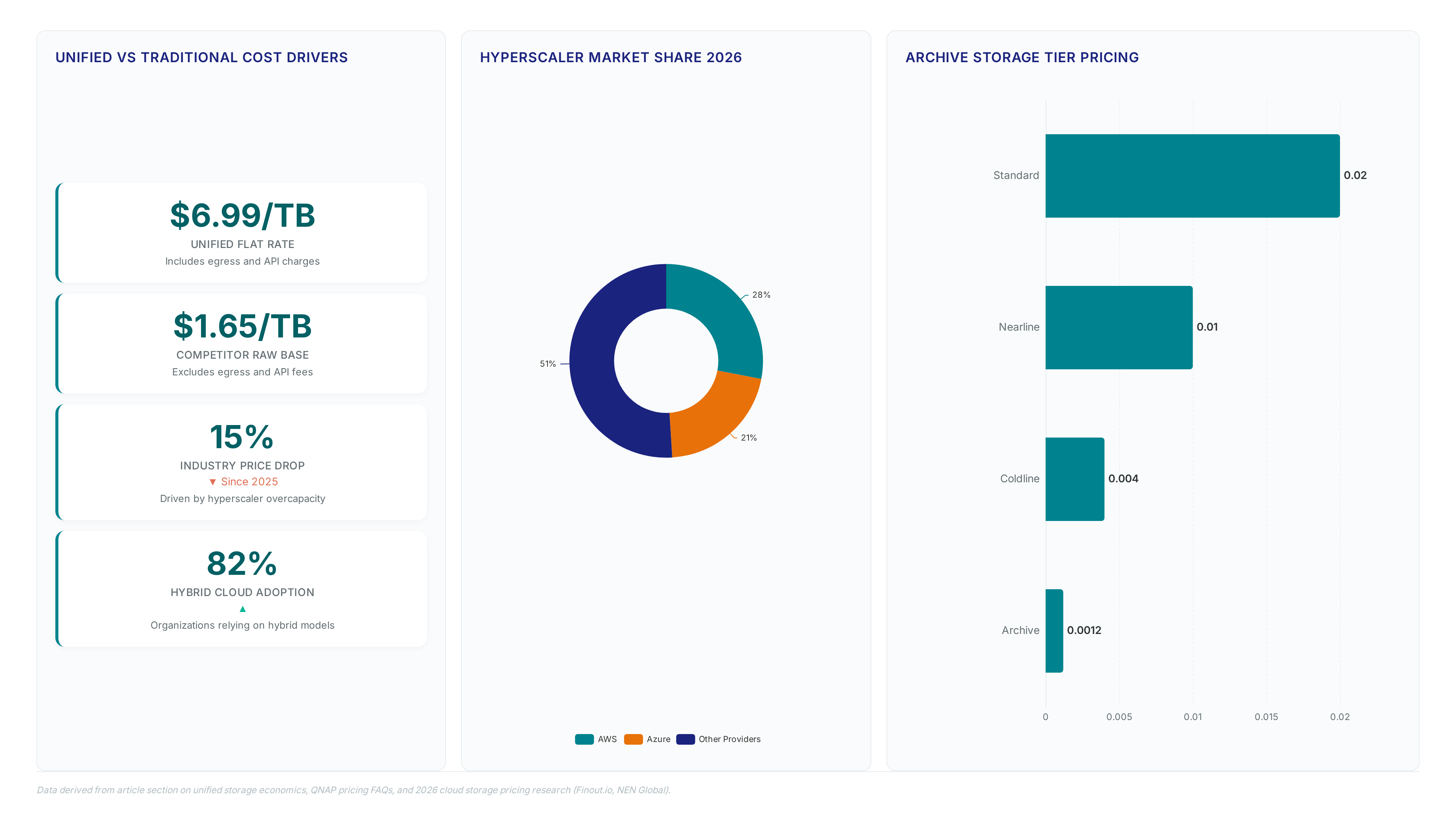
I tested myQNAPcloud One's 1TB unified pool. It merges NAS backups and object storage, finally killing variable egress fees for good.

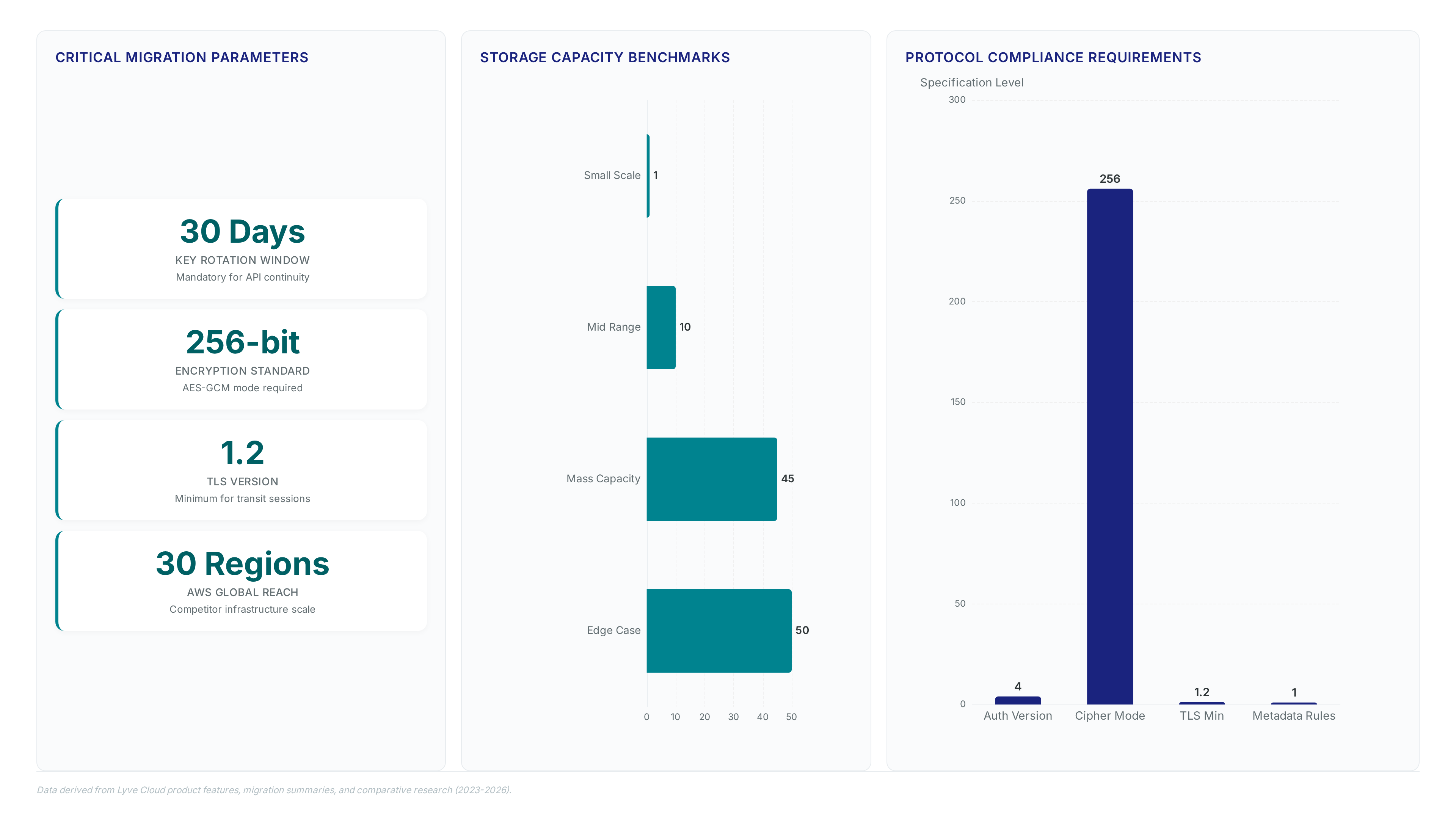
Learn why Backblaze B2 requires 2 paired rules for delete markers. Map your existing XML configs without code rewrites today.

Stop silent data loss in serverless pipelines. Learn to set 4 distinct CloudWatch alarms across Source, Buffer, and Sink layers today.

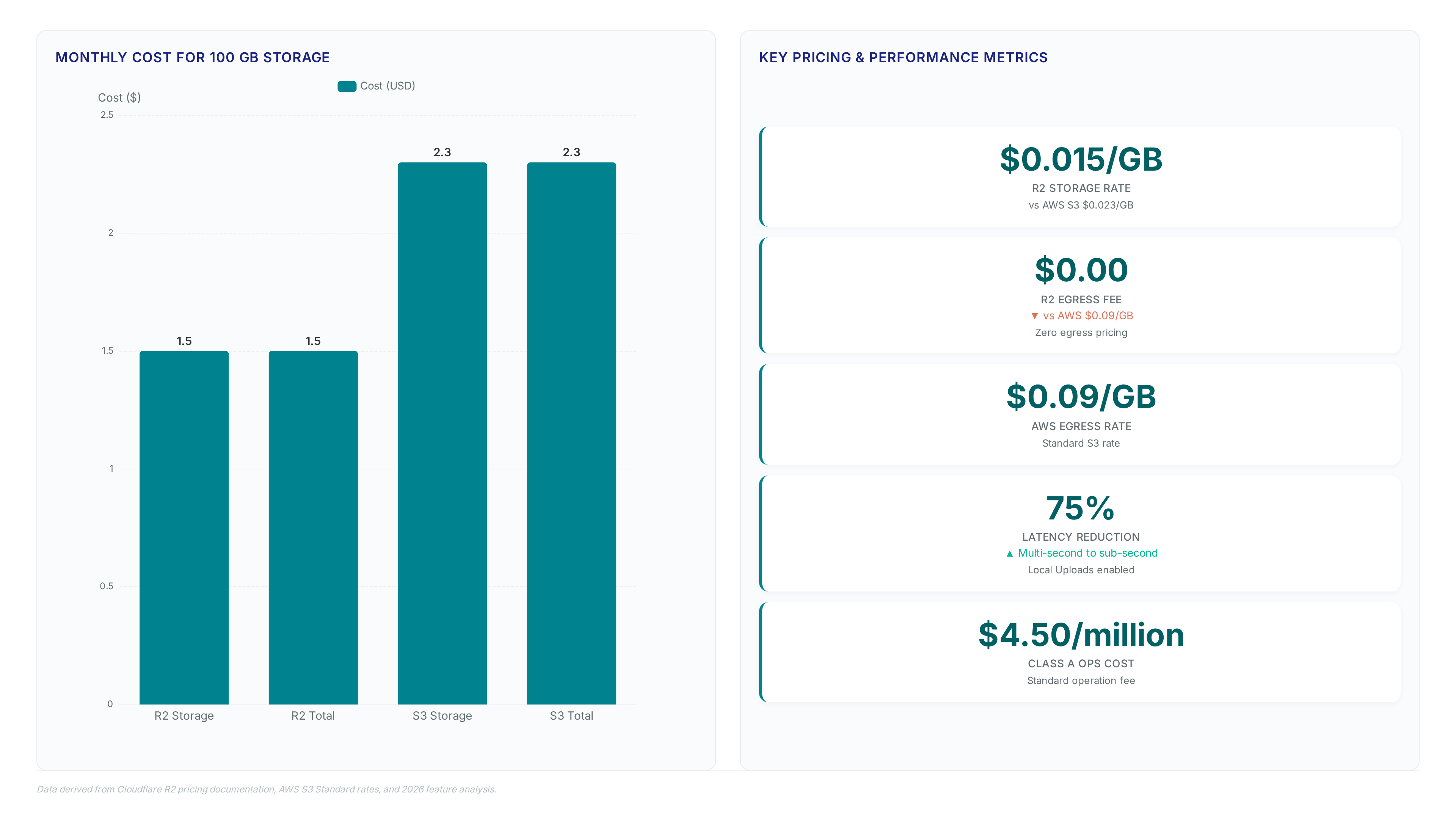
See how local uploads reduce R2 Time to Last Byte from 2s to 500ms by writing data at the edge before async replication.

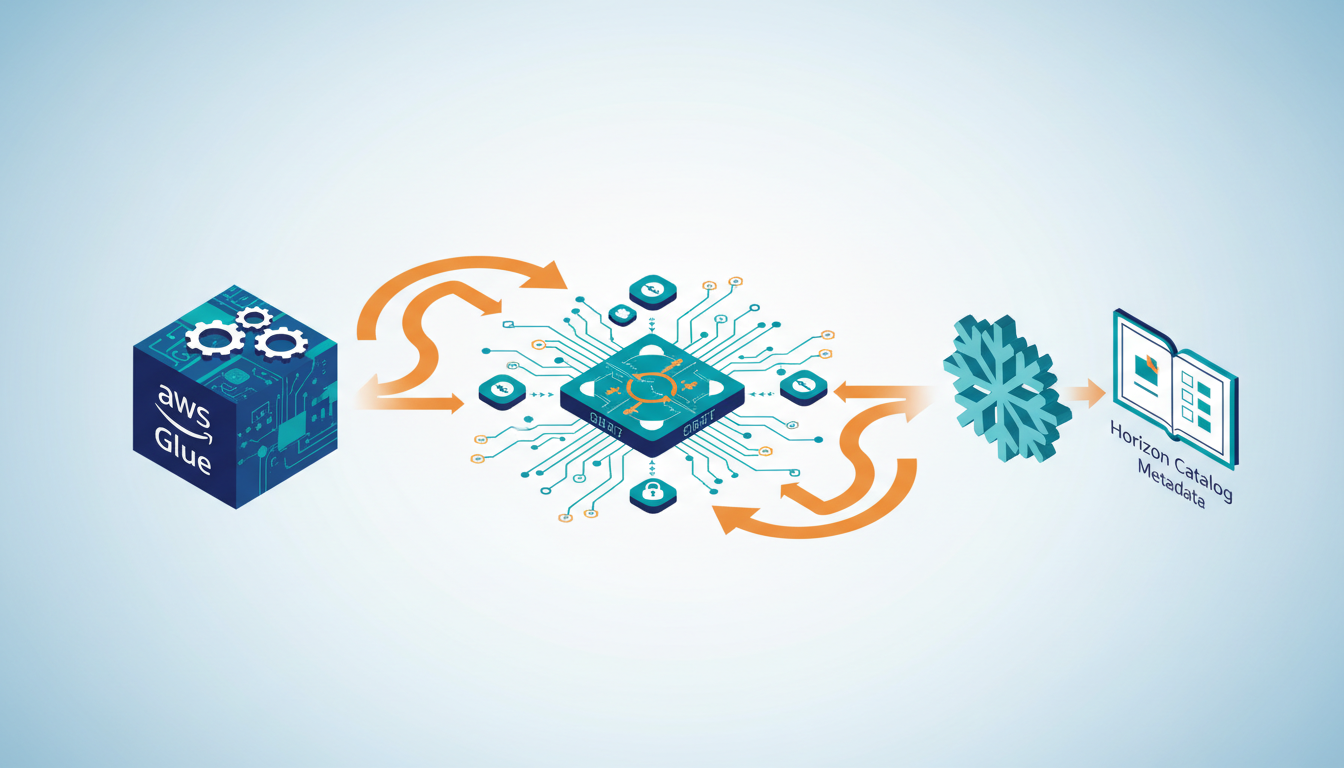
Cut 100% of data duplication costs by querying Snowflake Horizon directly via AWS Glue. I show how to architect secure, governed access without moving storage.

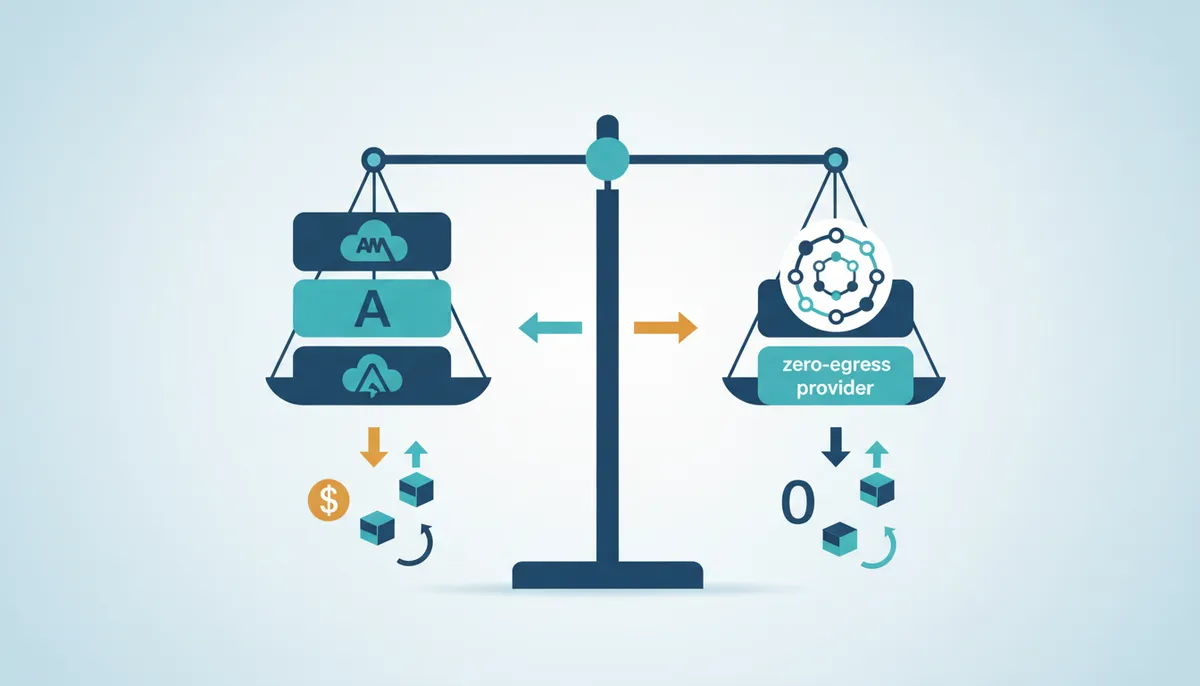
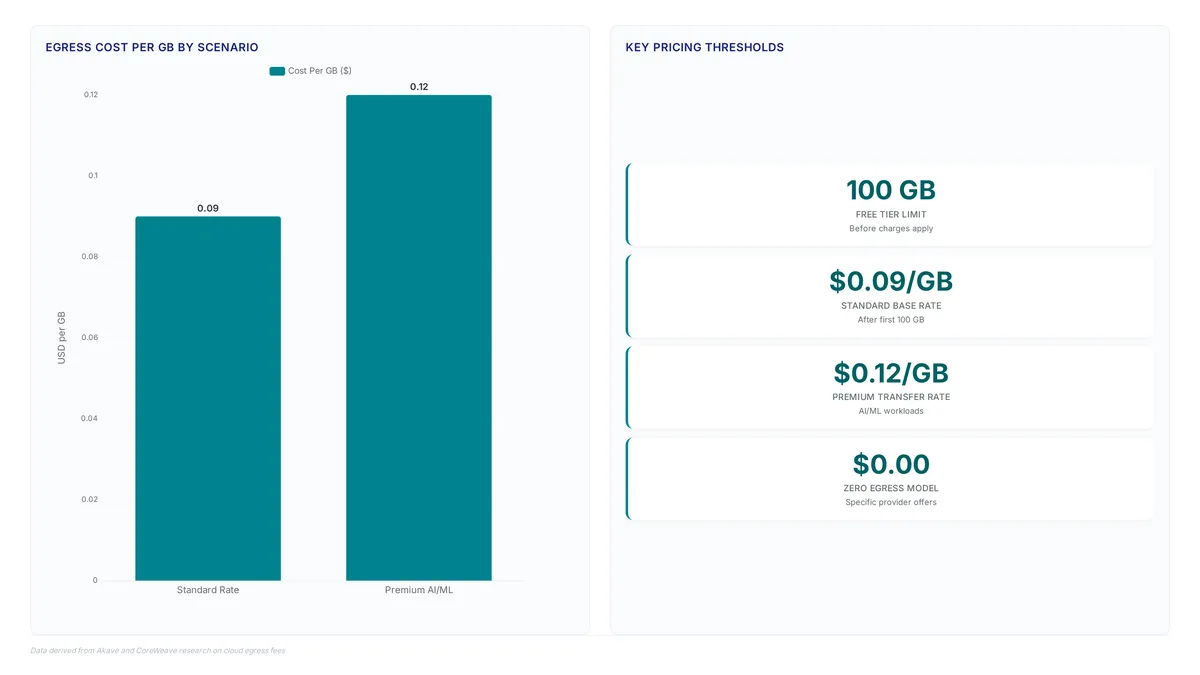
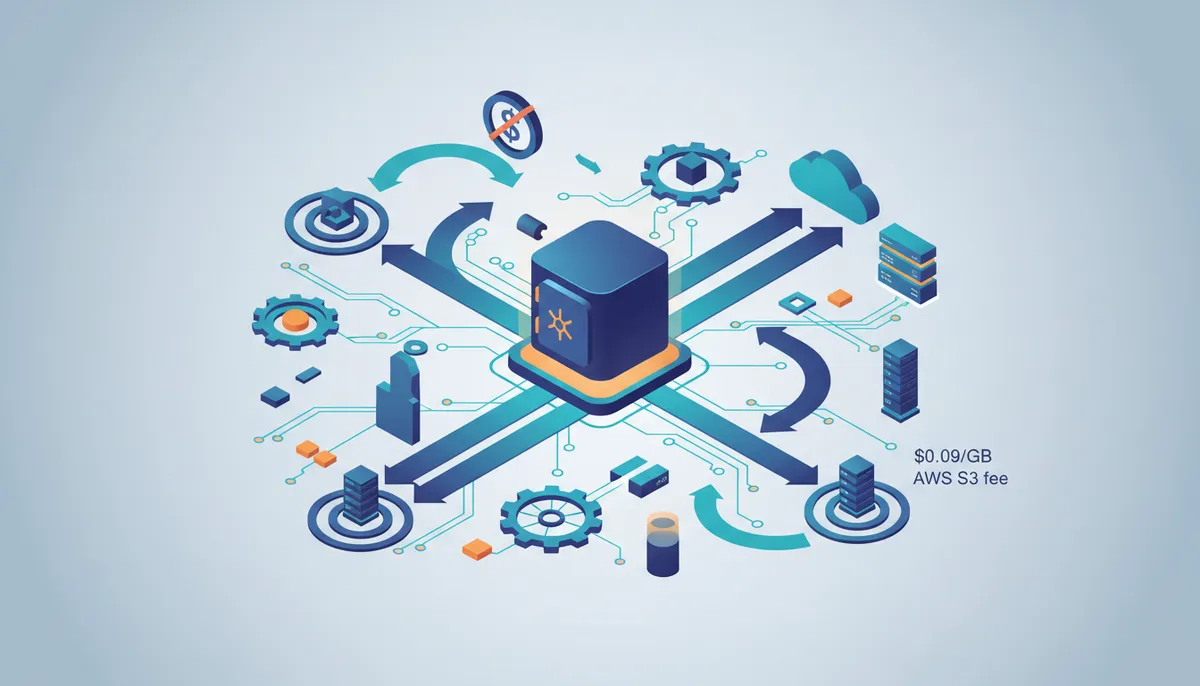
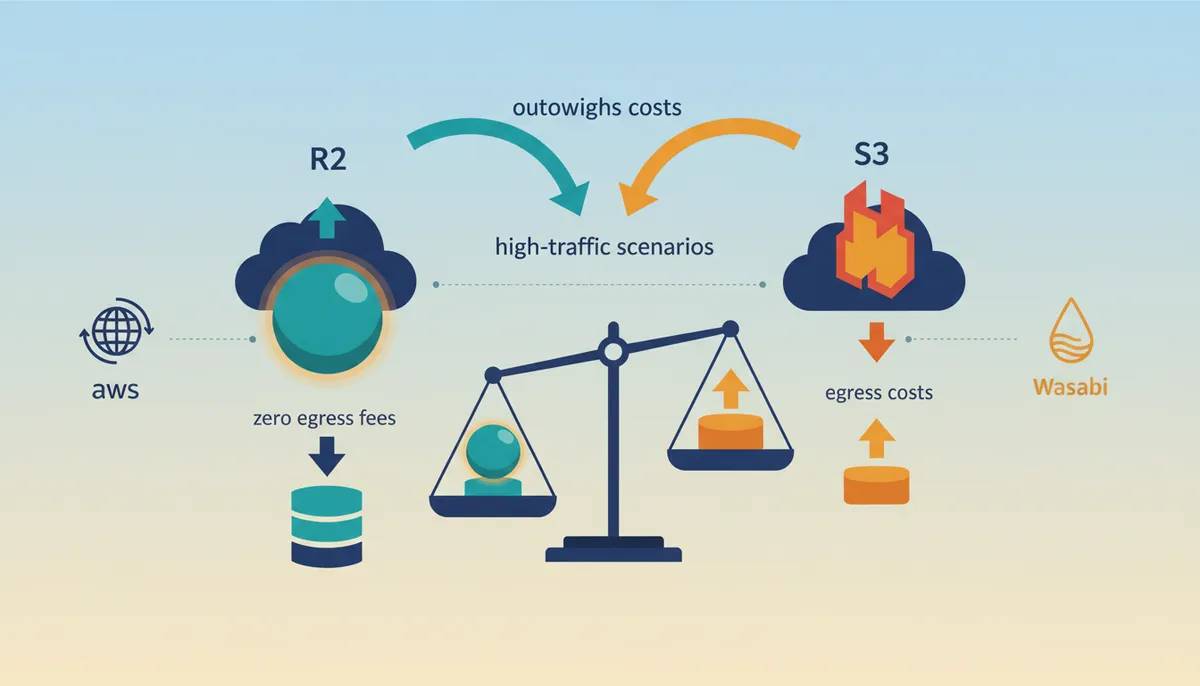
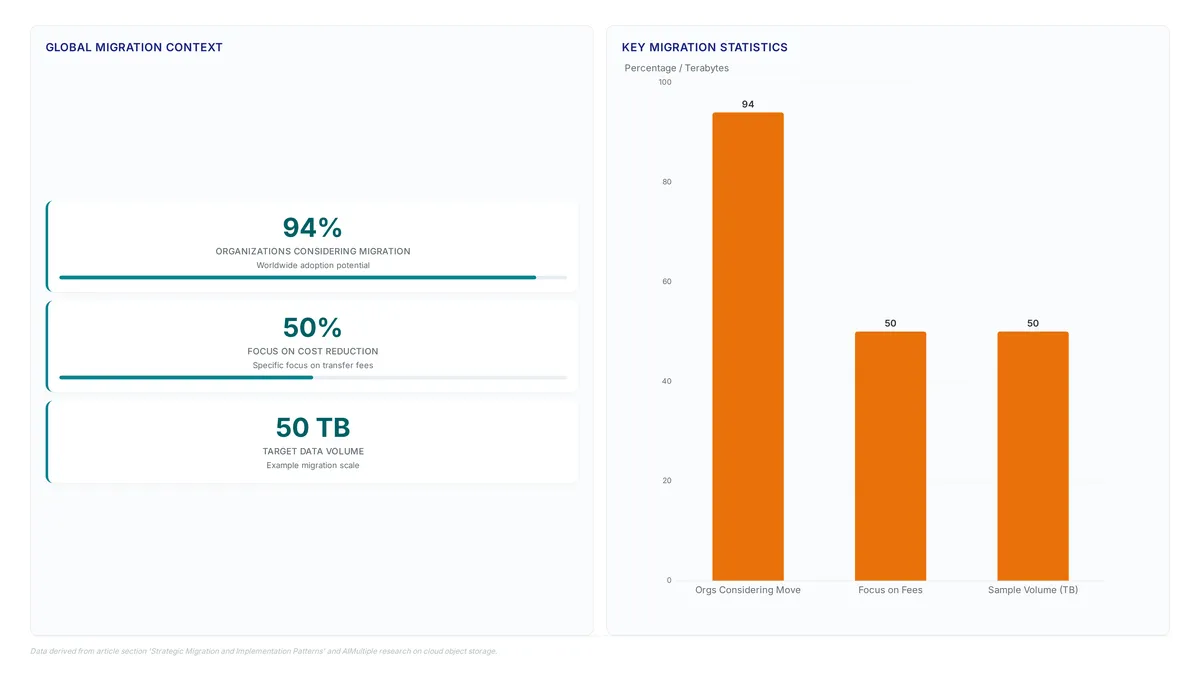
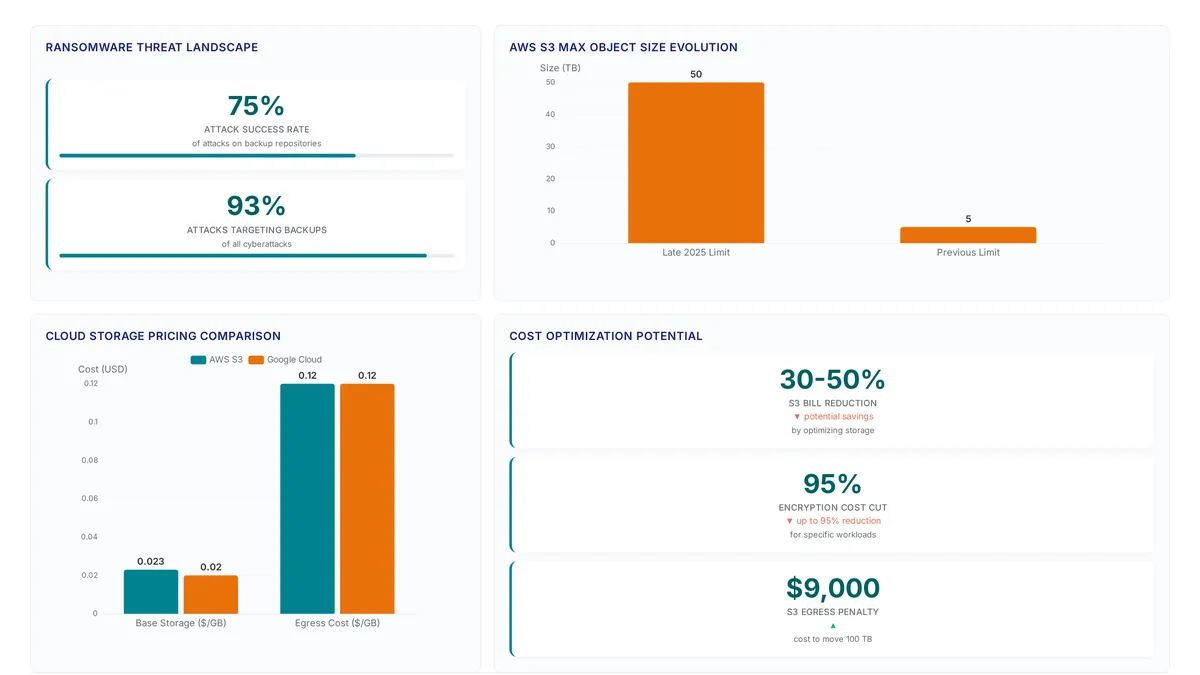
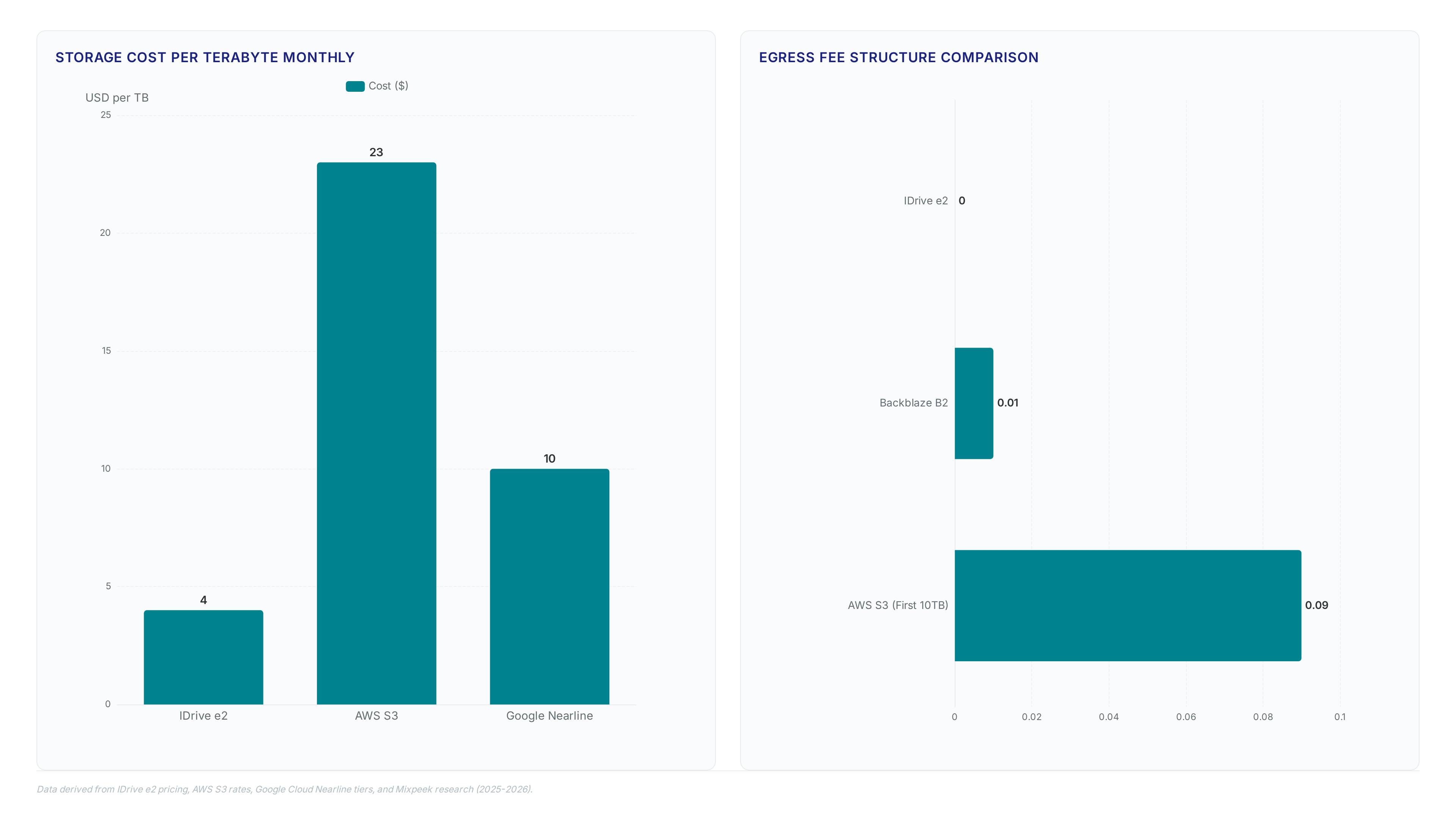
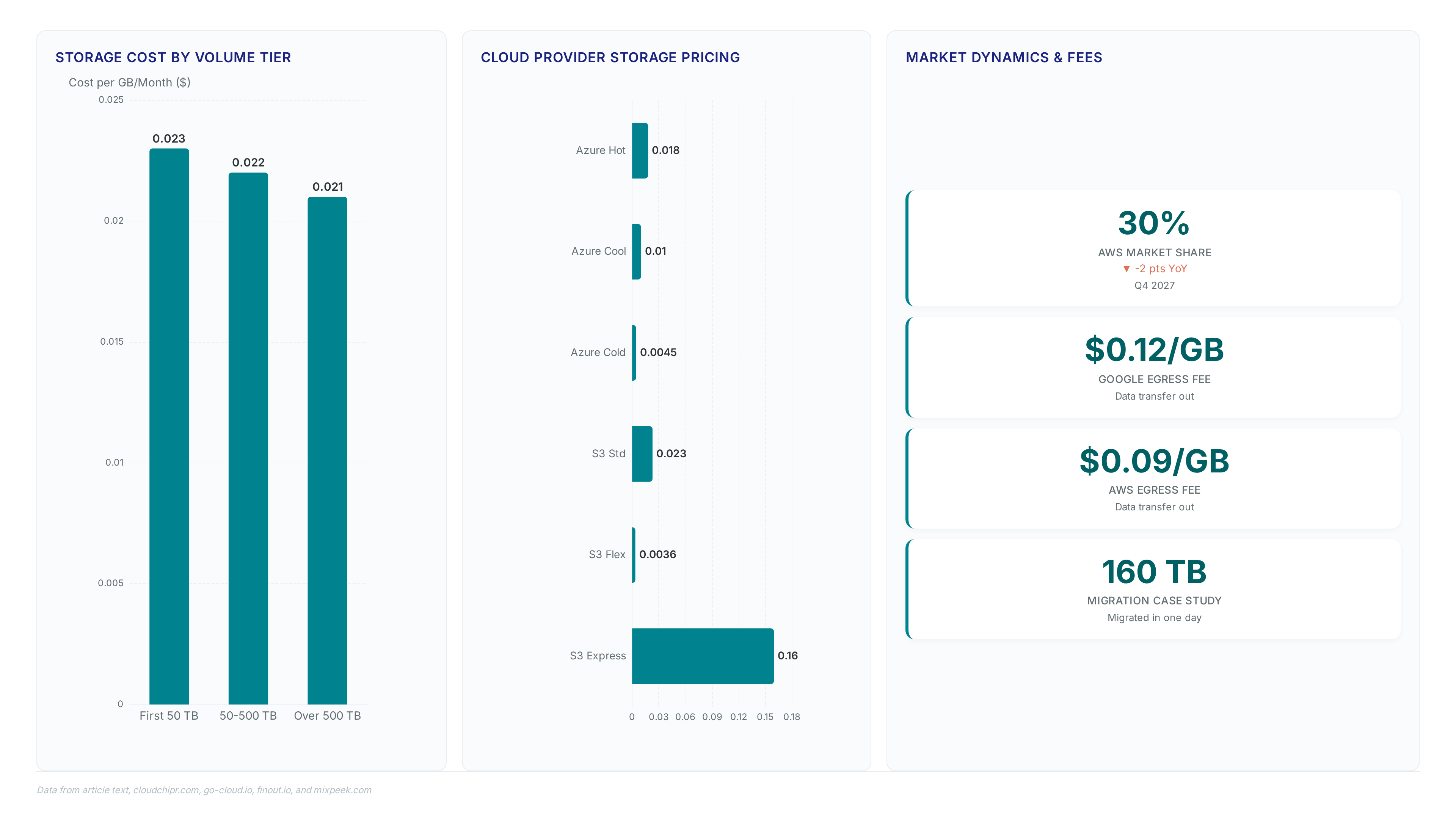
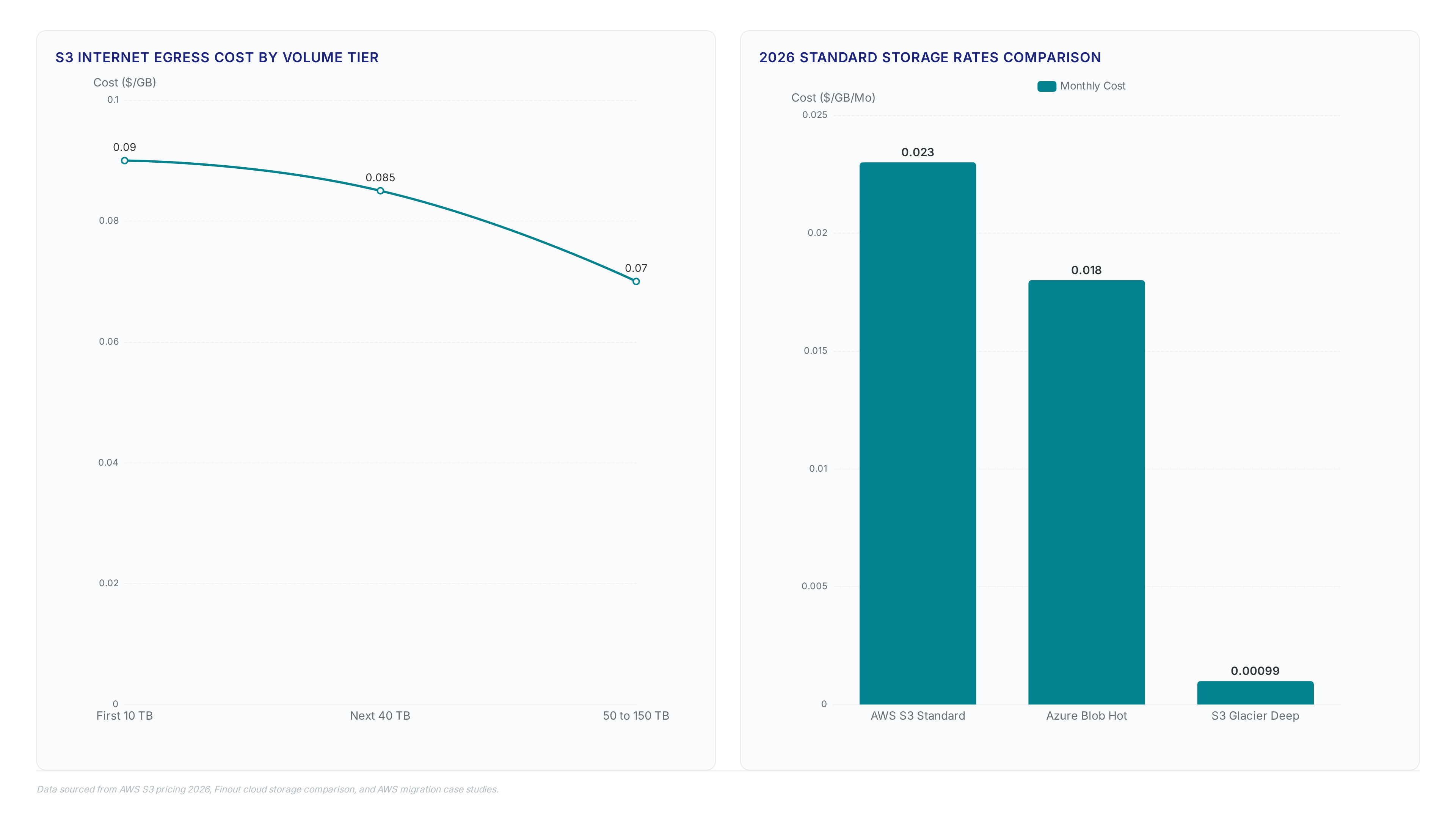
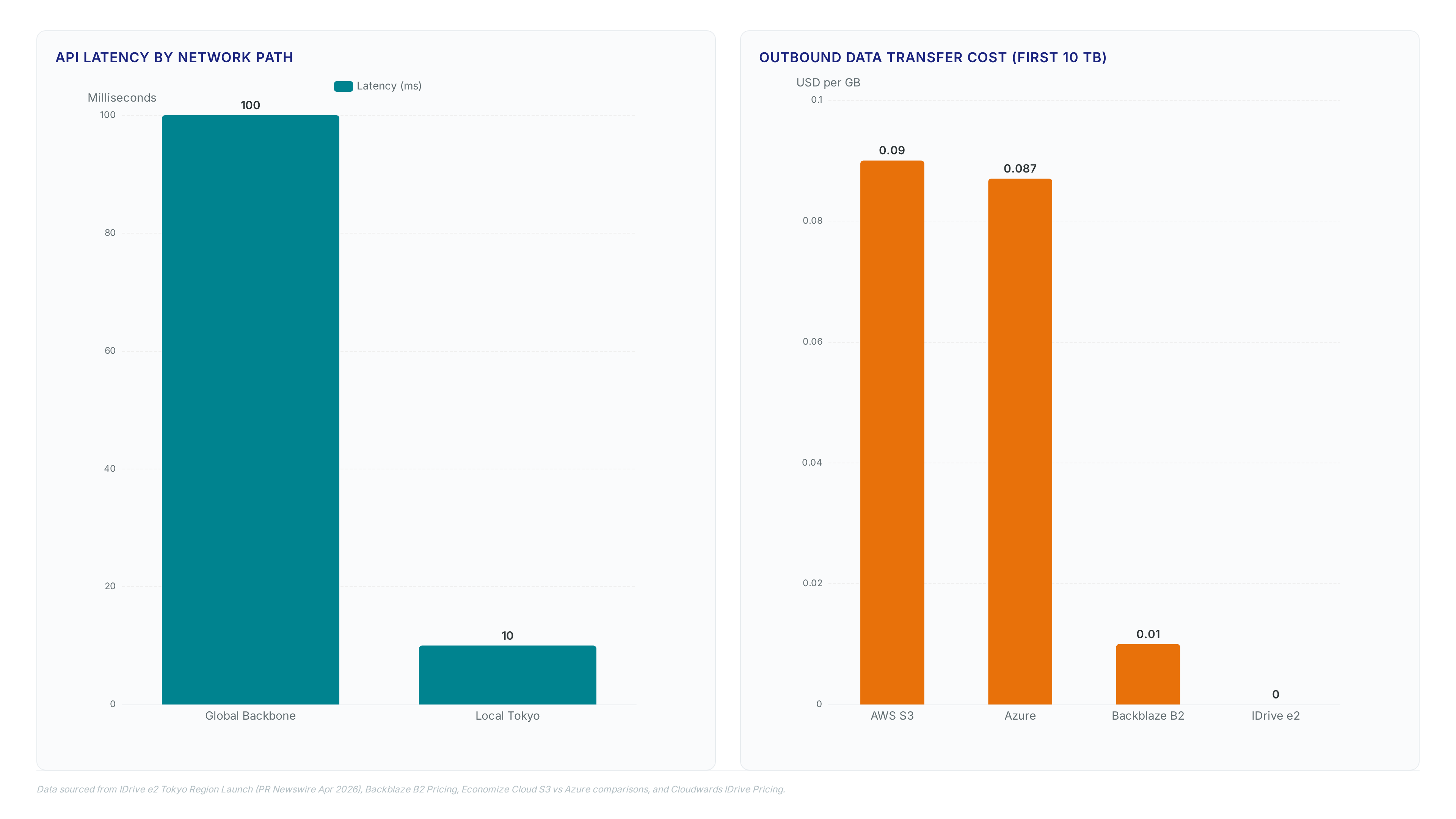
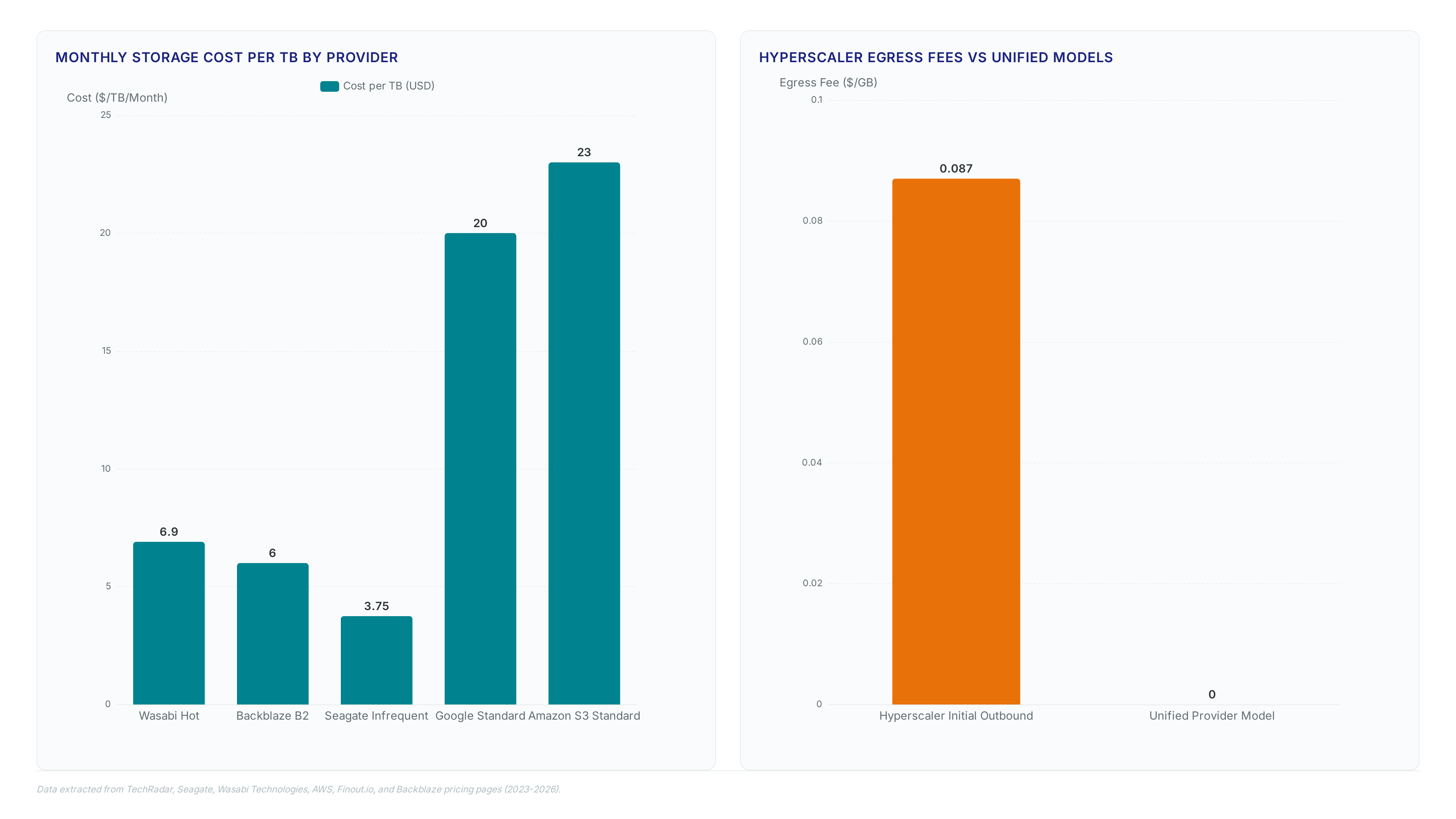
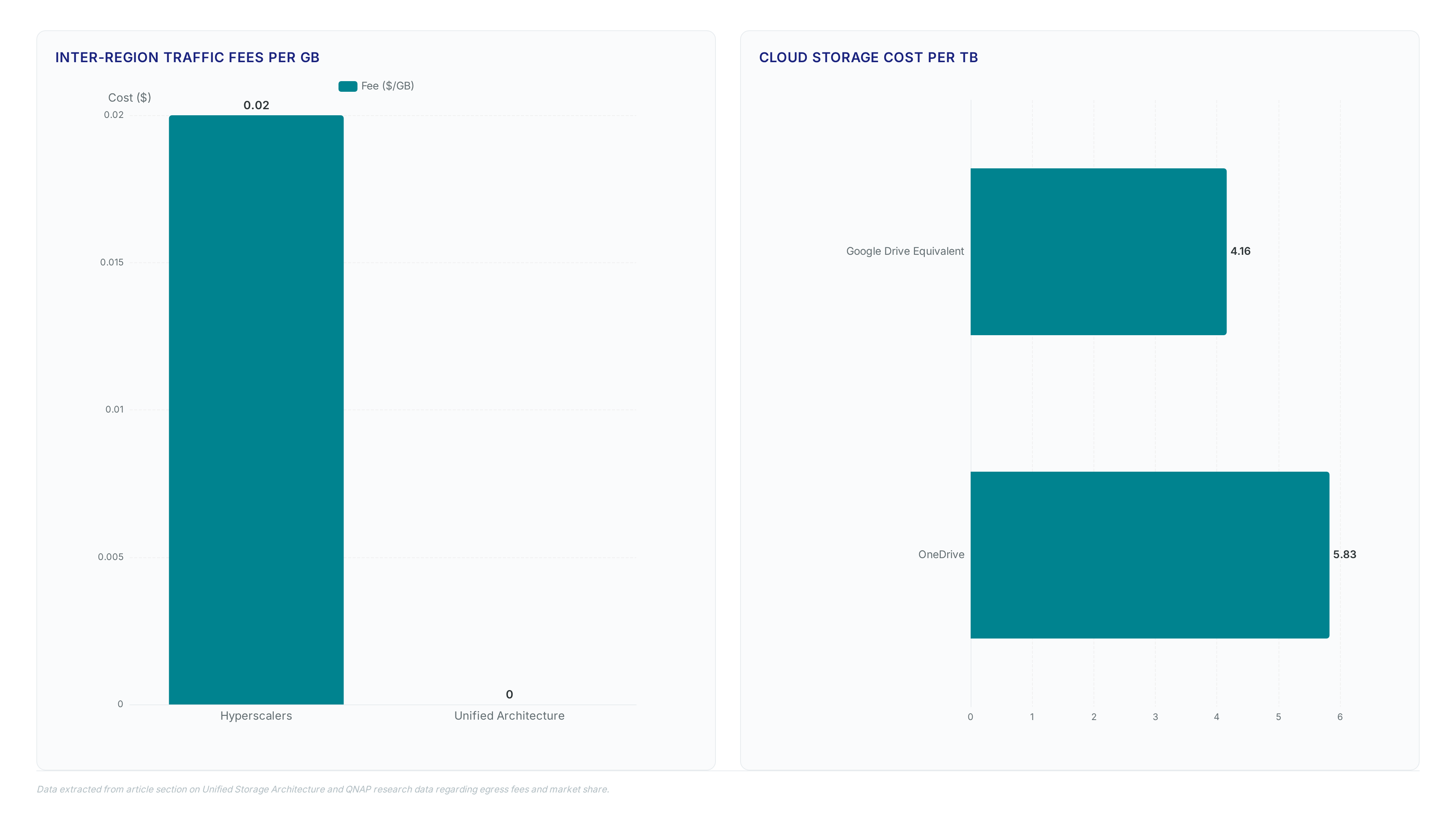
Alex breaks down how data egress fees cost enterprises 6% of storage spend. Learn why moving 50 TB can hit $4,410 and how to cut costs.