Selfhosted S3 cuts per-request pricing traps
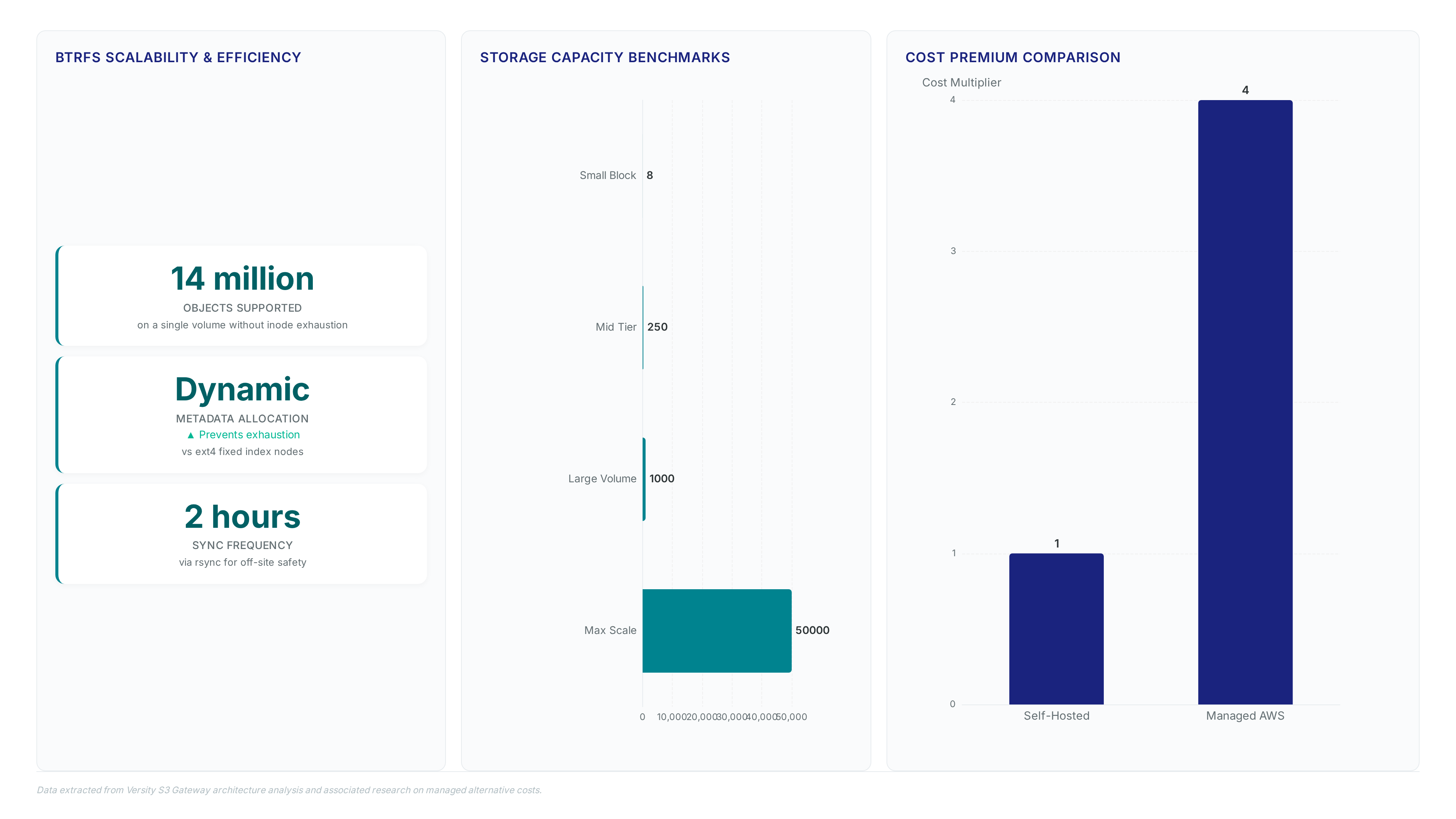
We hit 150 req/sec with 14M objects. See why self-hosting on Btrfs beat unstable managed services and their hidden fees.
We hit 150 req/sec with 14M objects. See why self-hosting on Btrfs beat unstable managed services and their hidden fees.
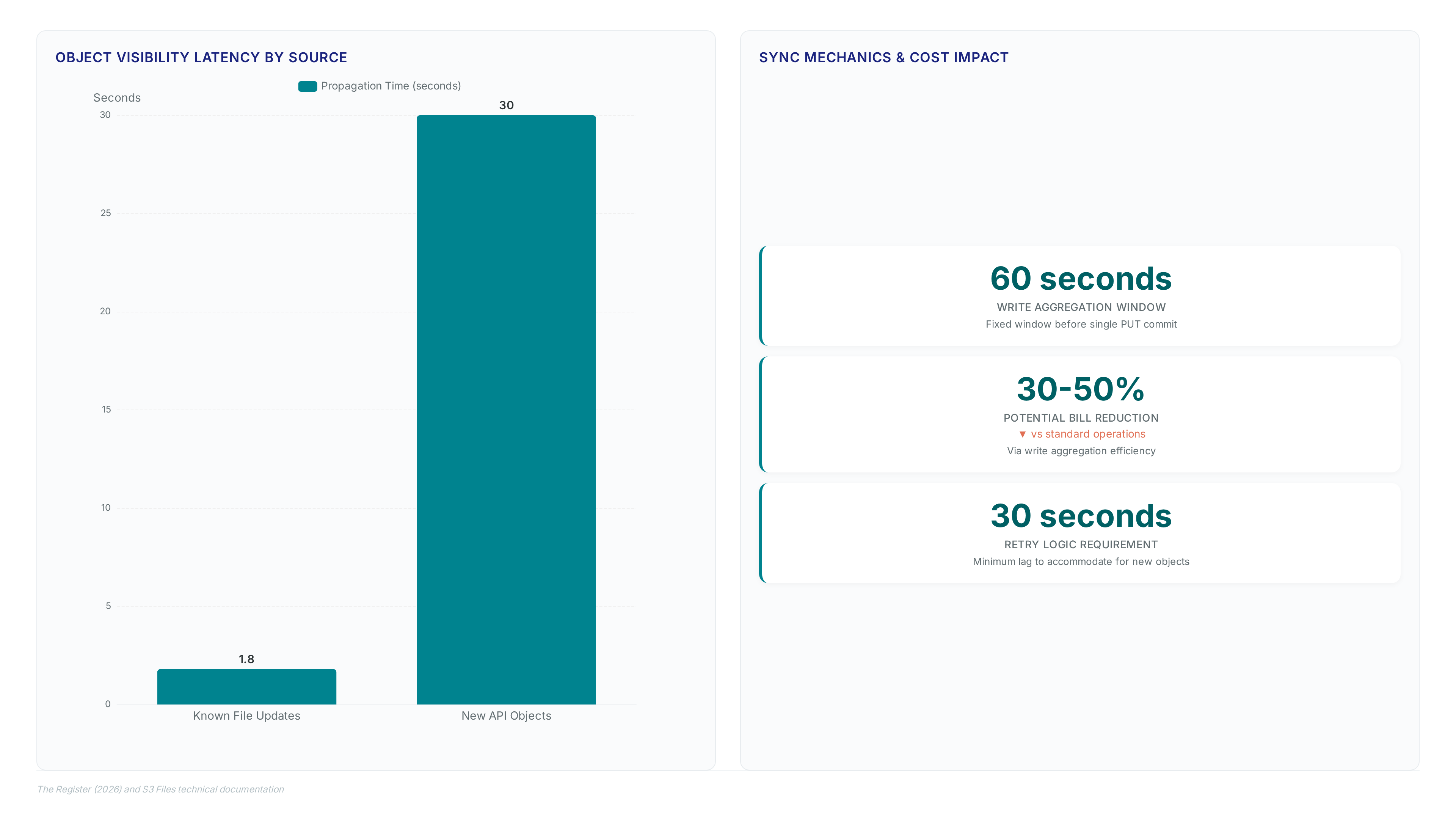
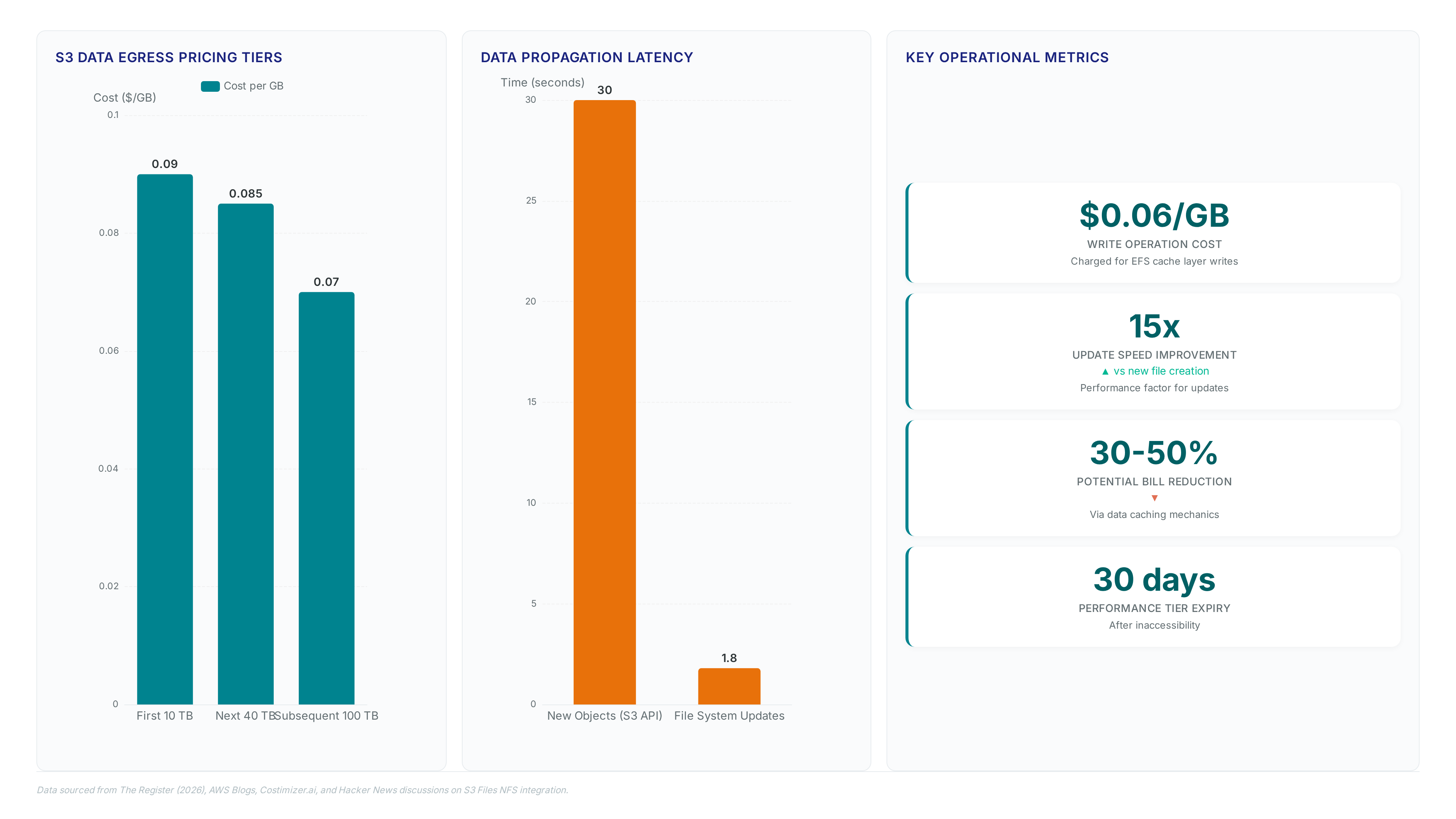
AWS S3 Files converges writes in under 2 seconds, but new keys face an 18-second delay. Here is the real latency data.

I tested S3 Files delivering 250,000 read IOPS per file system. See how this bridges object storage and native NFS for your clusters.

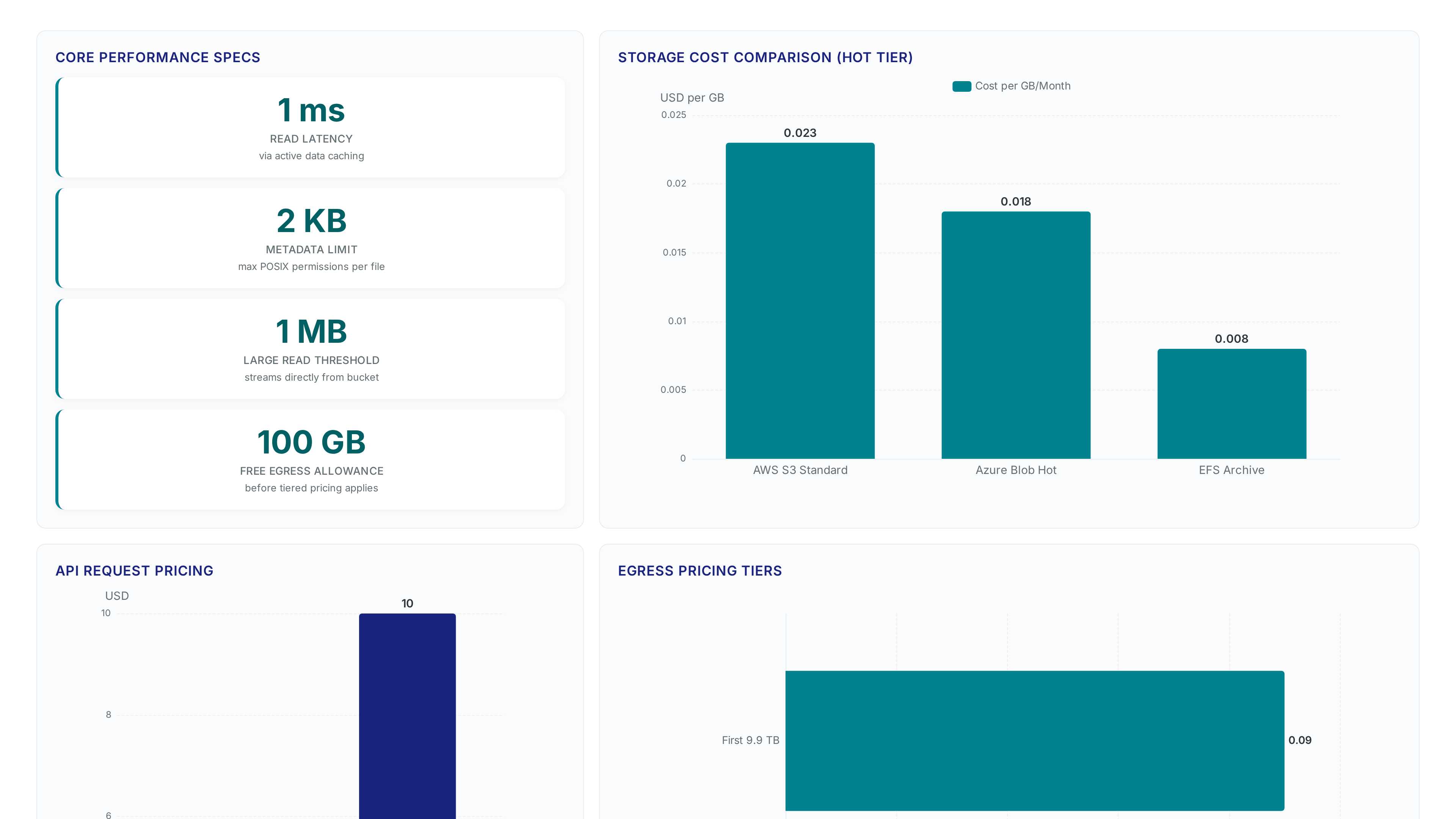
Stop duplicating data between S3 and EFS. Alex explains how S3 Files delivers 1ms latency for active data without moving your existing objects.

Stop wasting hours on copy pipelines. S3 Files let tools like GATK4 read 150 GB sequences directly, eliminating version errors.

Alex breaks down S3 Files launched April 7, 2026. See how NFS v4.1 bridges object storage without complex sync pipelines.

AWS S3 Files uses EFS to deliver NFS v4.2, letting 69% of hybrid orgs access data instantly without costly migration or duplication.

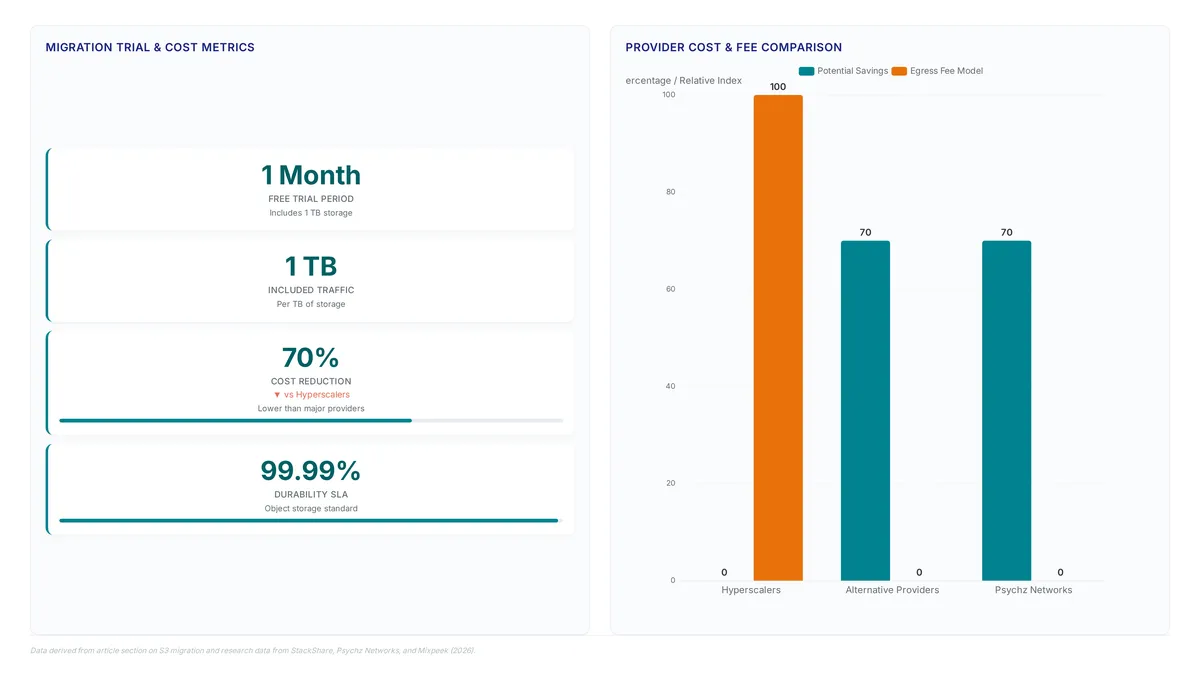
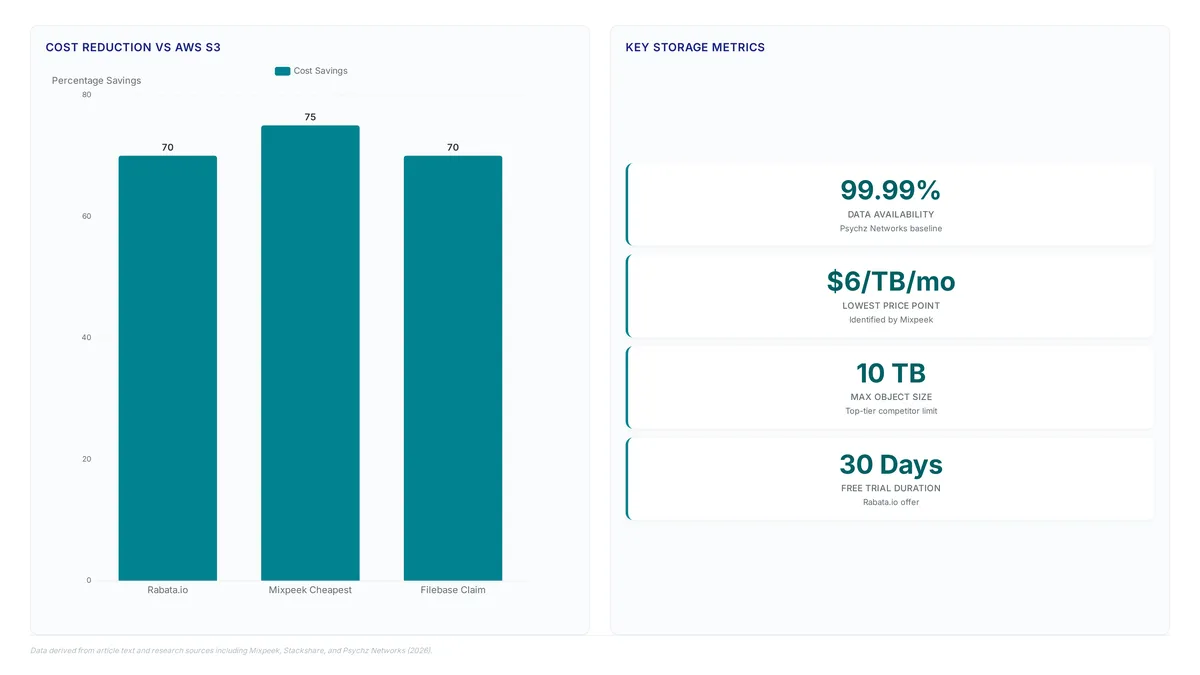
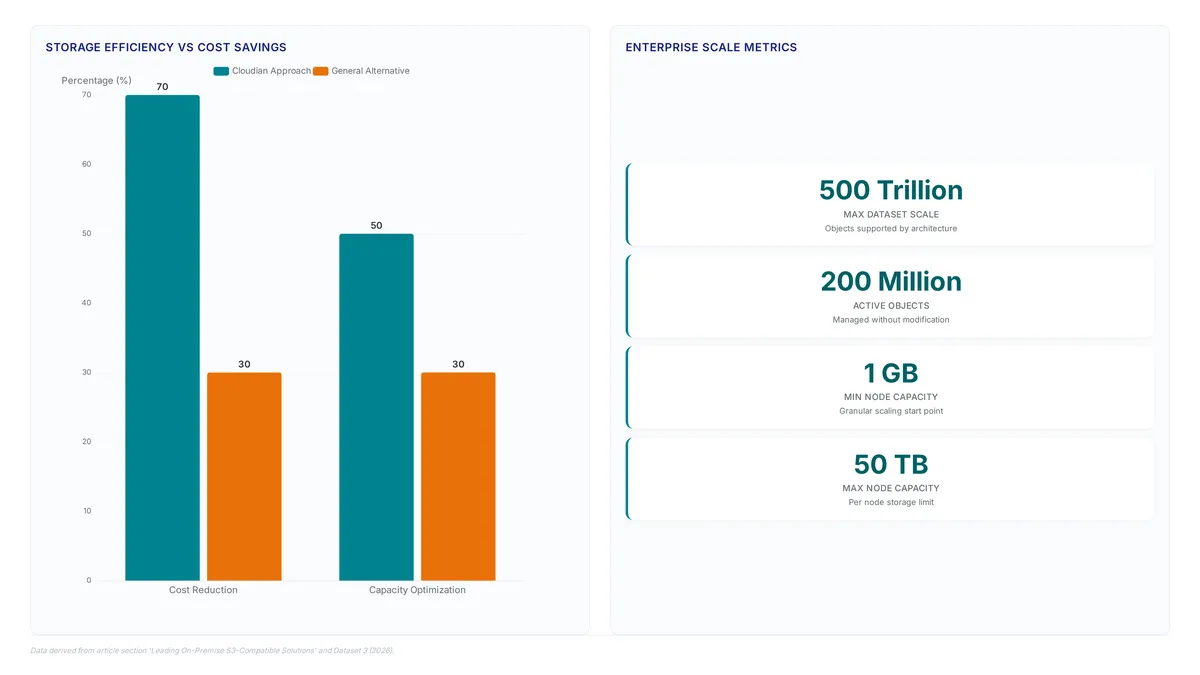
We cut AI storage costs by 70% in production. Learn why generic cloud setups fail and how specific architectures prevent budget overruns today.

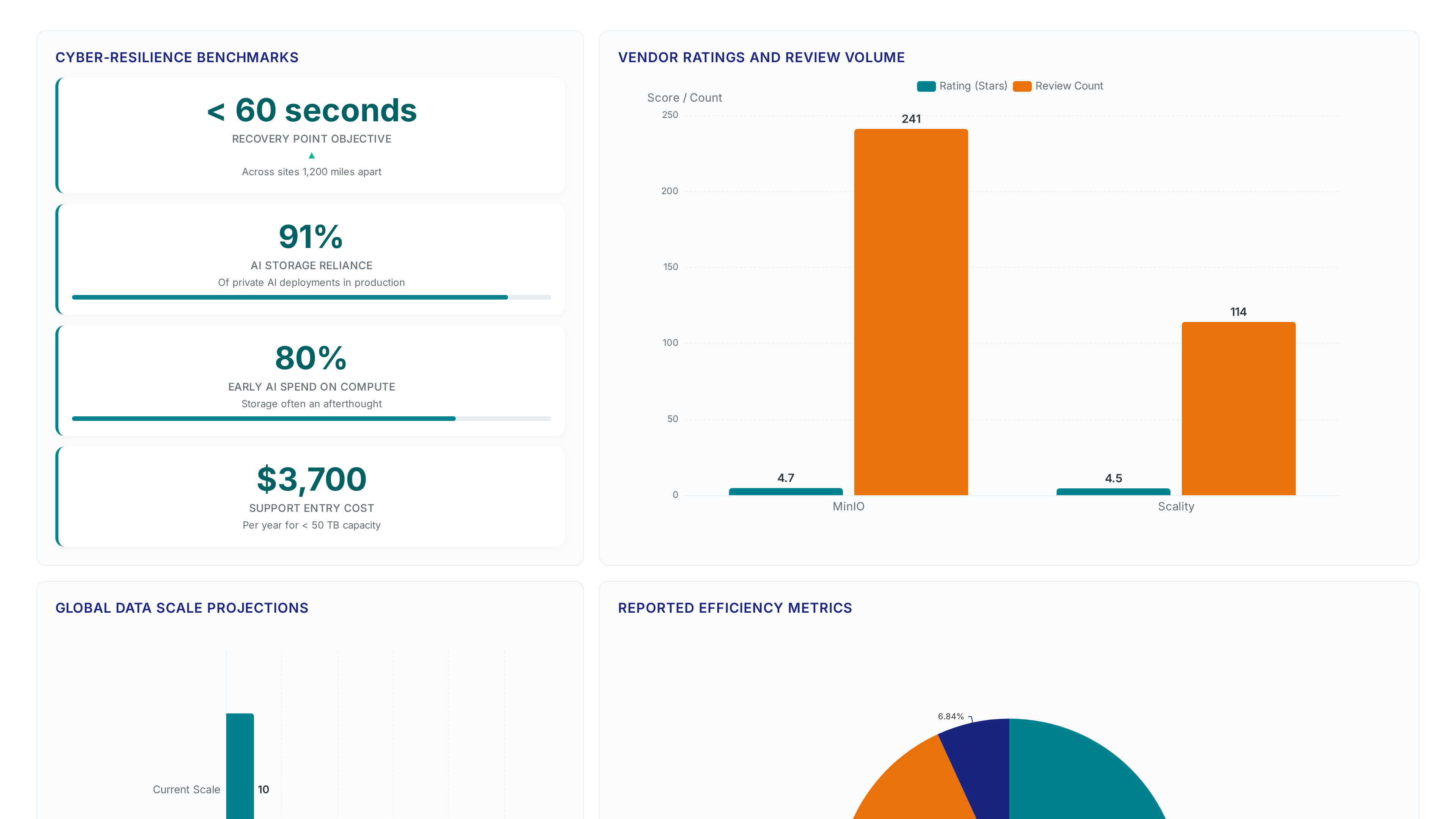
With 91% of private AI relying on object storage, I explain why legacy systems fail at scale and how to fix bottlenecks.

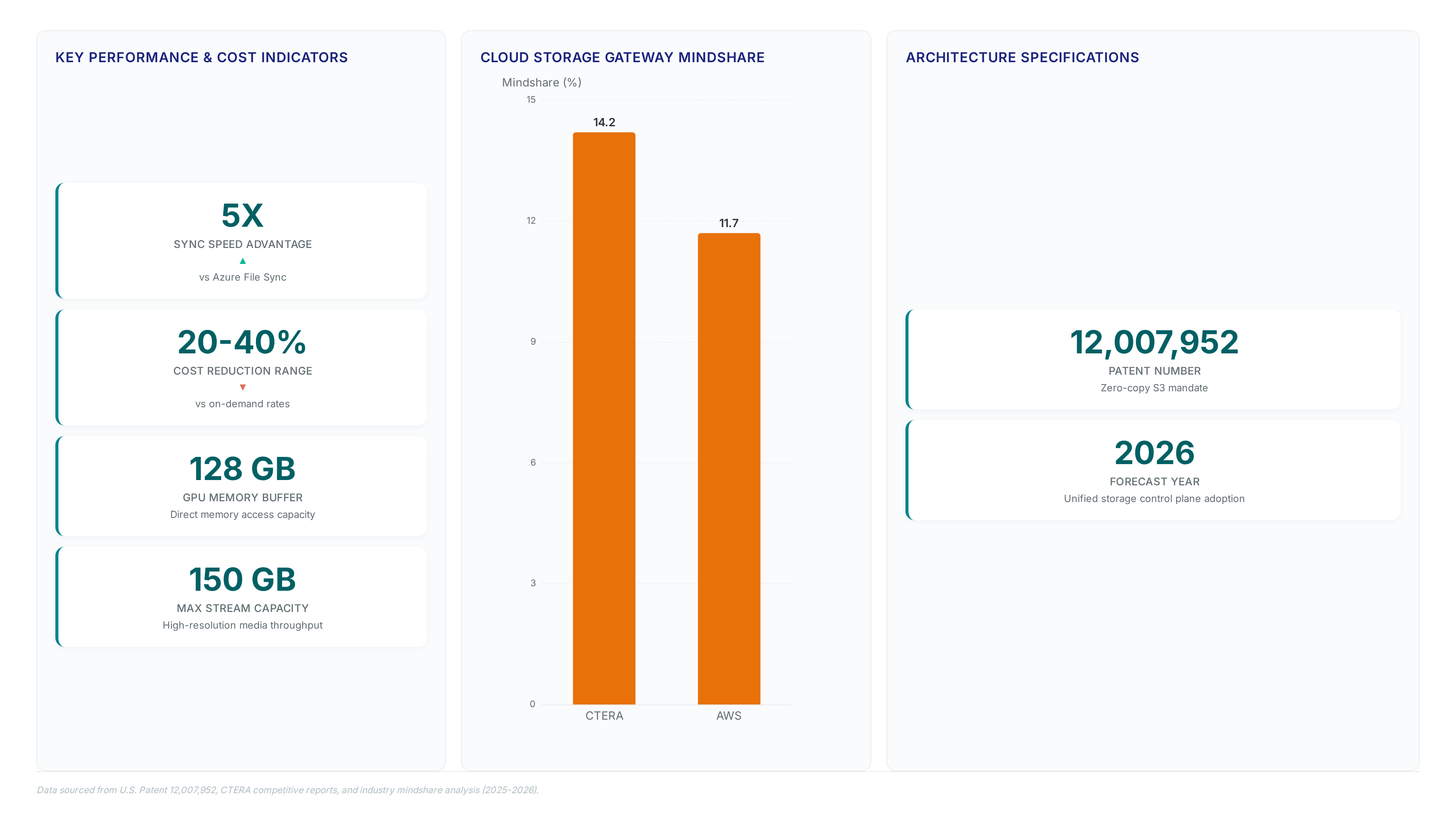
Ctera's patent 12,007,952 removes file-to-object conversion, letting AI clusters consume SMB writes instantly over S3 without duplication.

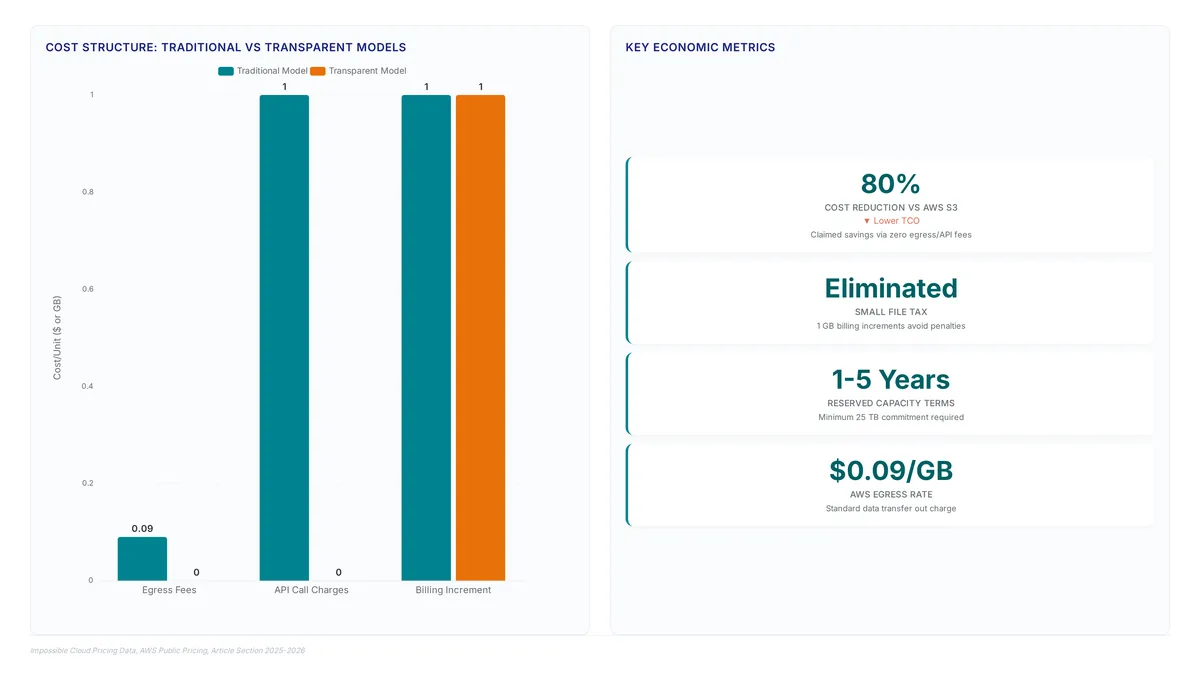
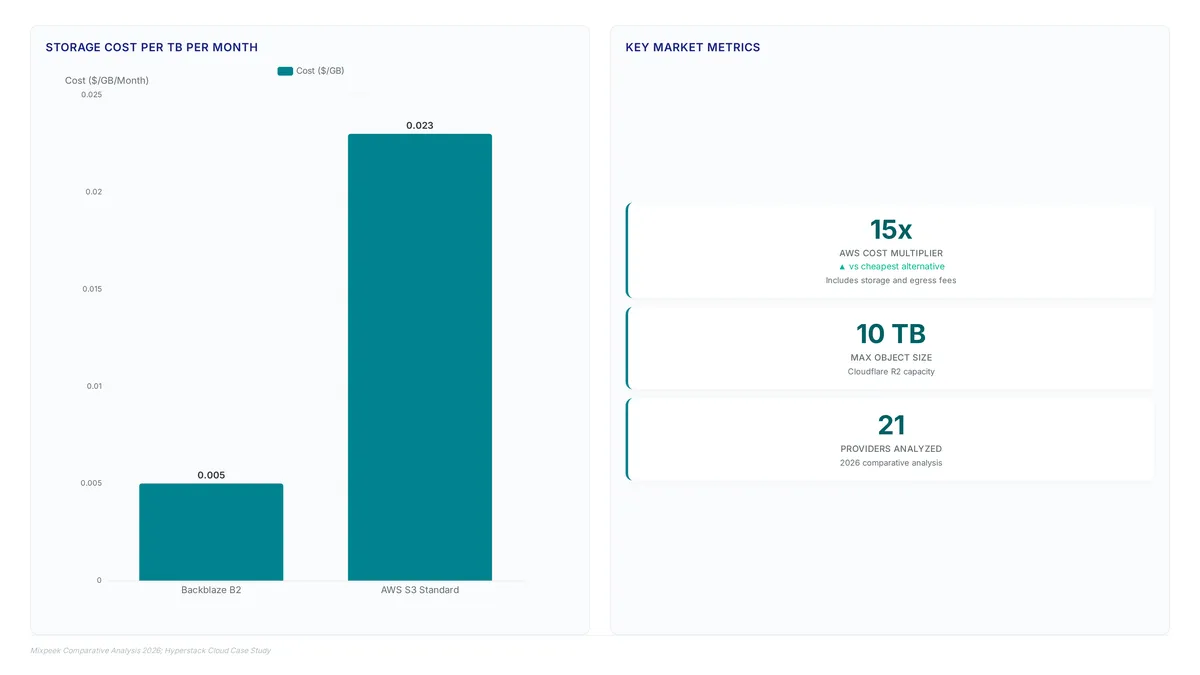
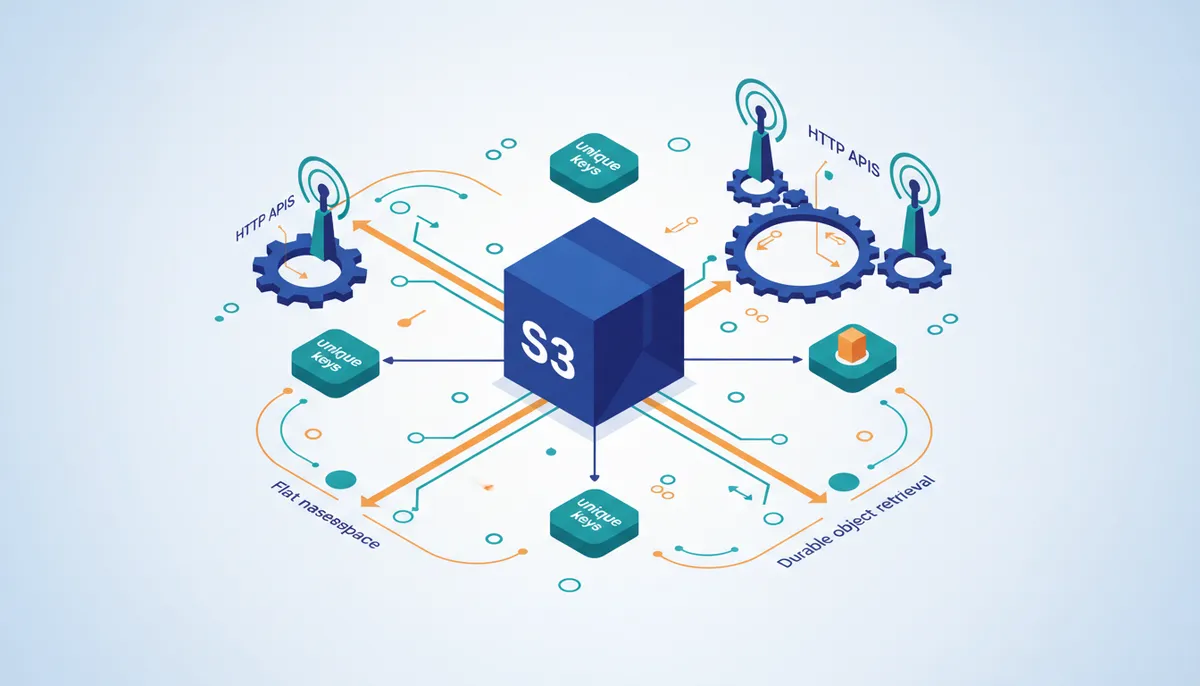
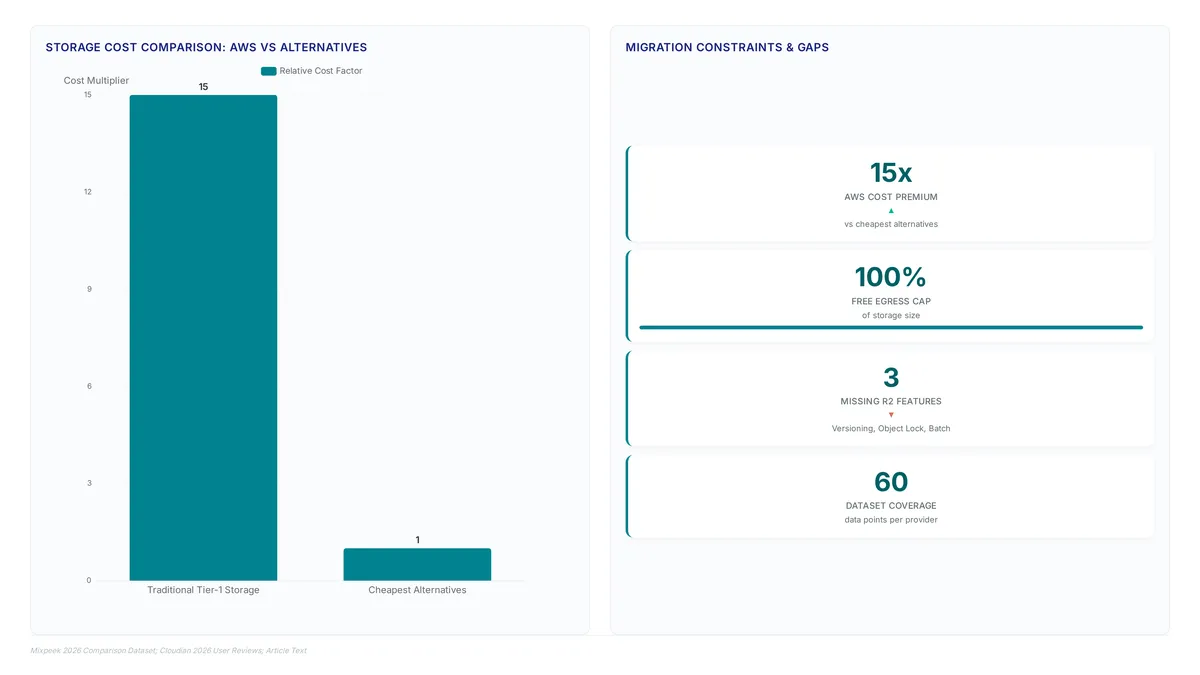
I cut object storage costs from $250 to $5 monthly. Learn the flat namespace architecture powering Netflix and BBC's 25 petabyte migrations today.

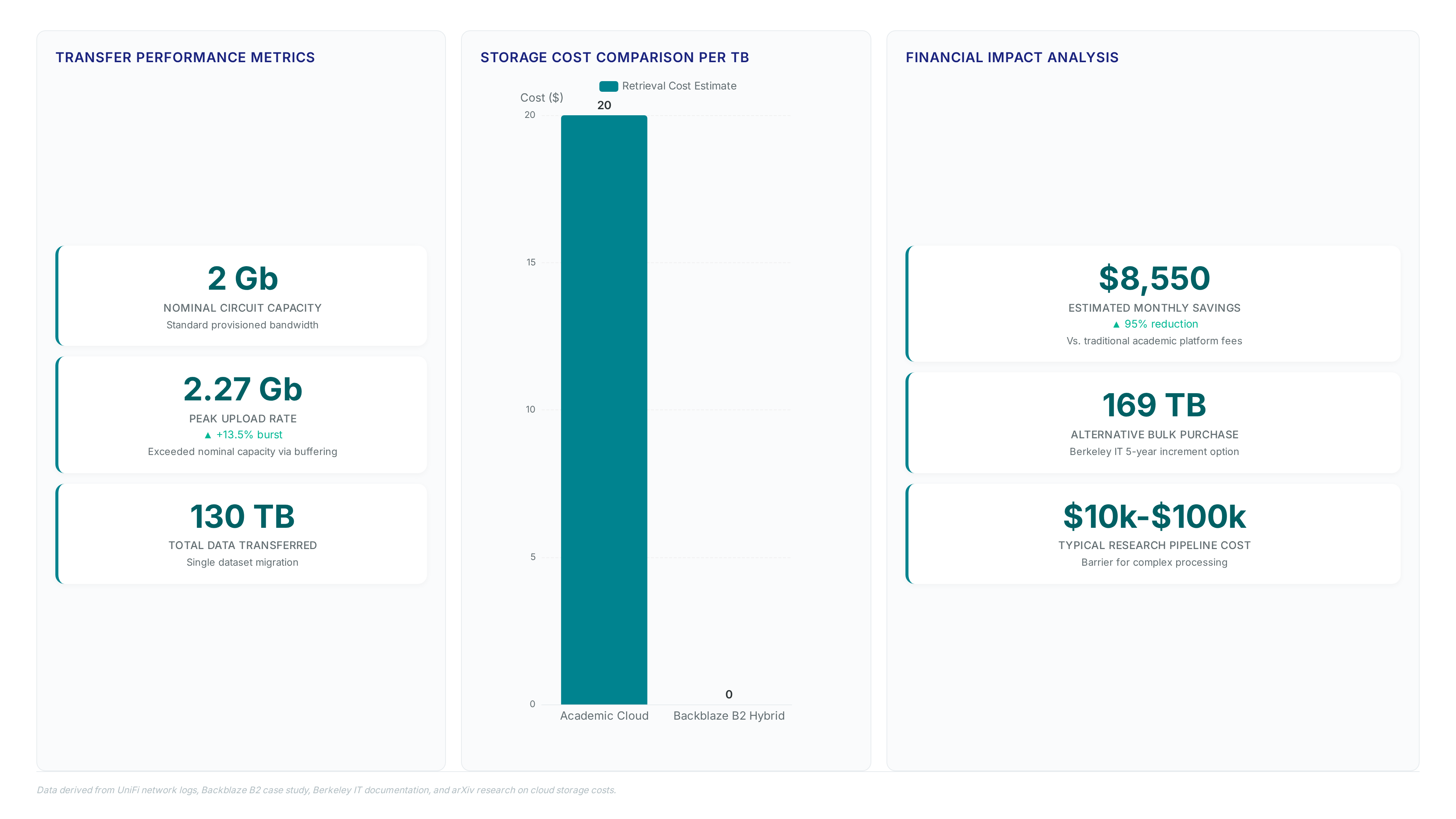
Moving 130 TB of Pi data required sustaining 2 Gbps throughput. Learn why decoupling compute from storage is critical for modern research.

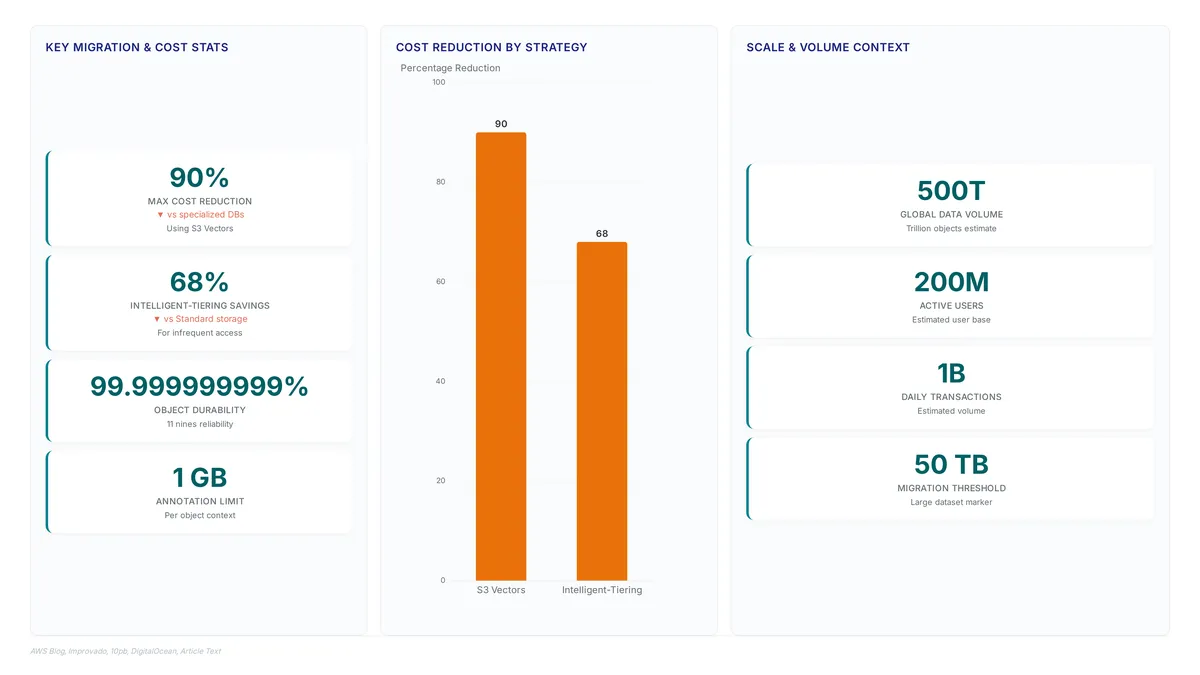
Cut RAG latency by moving embeddings directly into object storage. Learn how S3 Vectors eliminate separate databases for your AI stack.

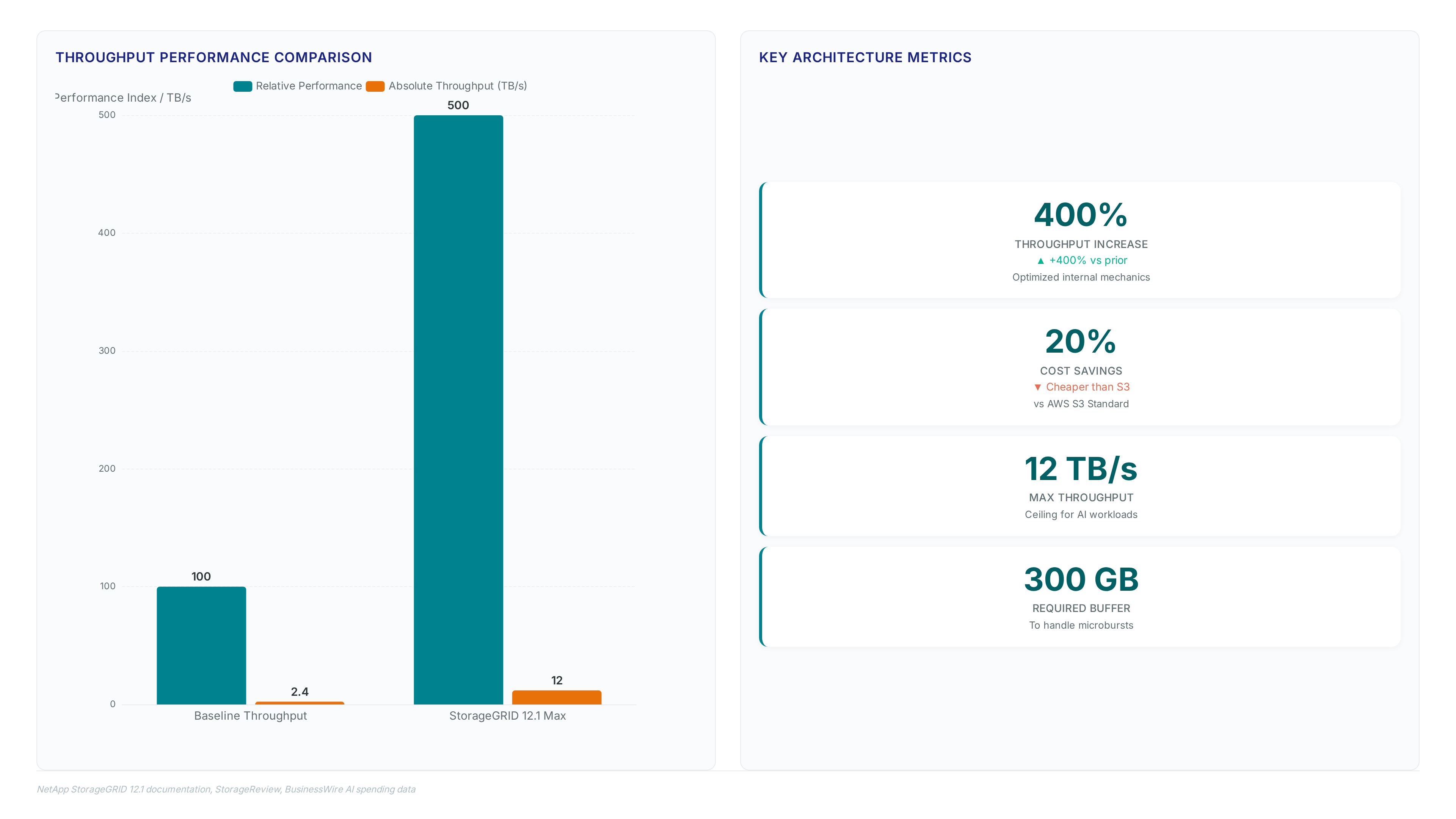
Scality and WEKA prove AI storage can cut costs 20% while boosting performance 10x over standard S3 interfaces.

AI training demand is surging 35% annually, yet storage bottlenecks persist. I analyze why generic object stores fail neocloud GPU workloads.

Scality RING and WEKA cut infrastructure costs 20% while keeping GPUs fed. I break down the hybrid architecture that finally works.

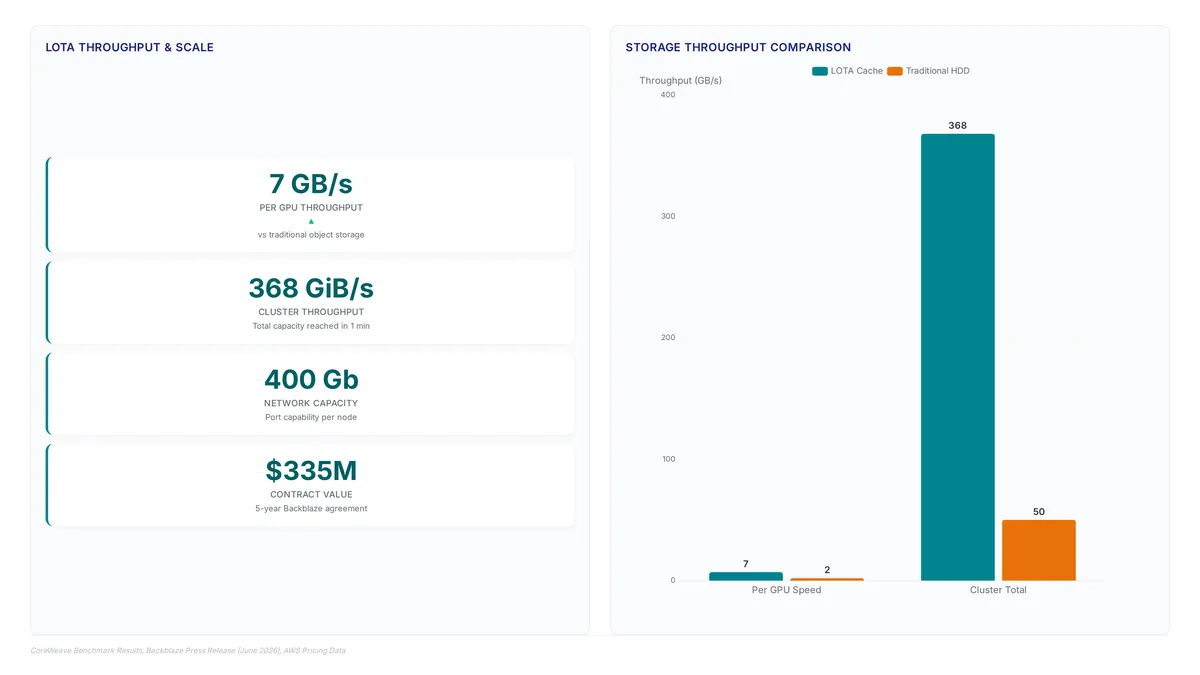
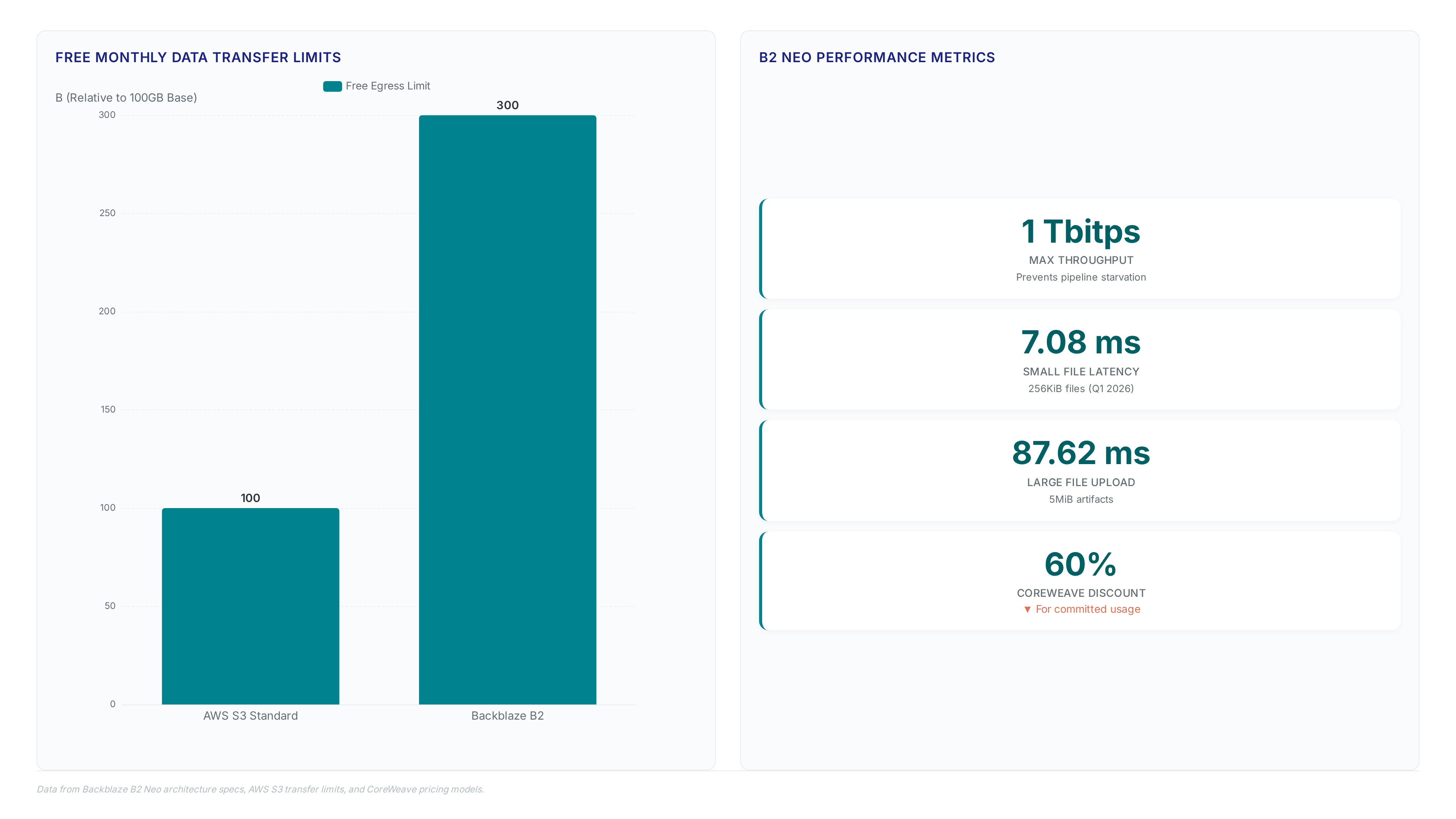
Stop wasting 18 months building storage. B2 Neo gives GPU farms a whitelabel S3 backend with 1 Tbitps throughput in just weeks.

Alex Kumar explains why 80% of early AI budgets burn on compute while storage bottlenecks stall production pipelines and inflate costs.

I tested myQNAPcloud One's 1TB unified pool. It merges NAS backups and object storage, finally killing variable egress fees for good.

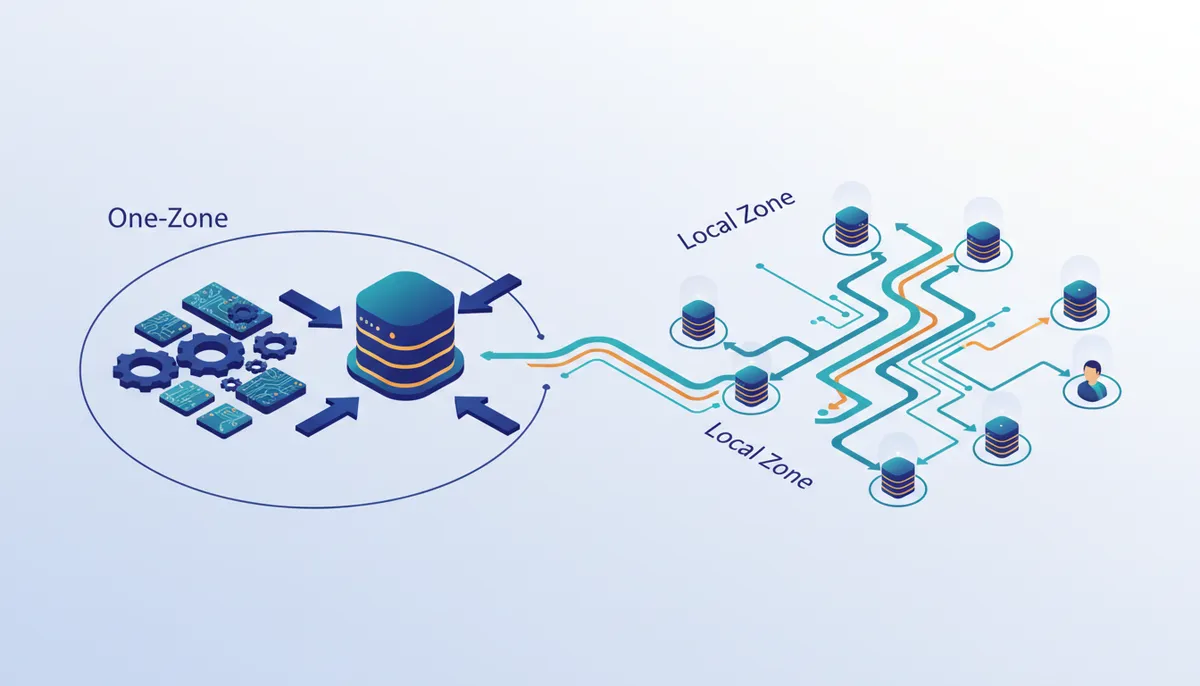
See how local uploads reduce R2 Time to Last Byte from 2s to 500ms by writing data at the edge before async replication.