S3 Files latency: How dual-tier caching works
Amazon S3 Files caches actively used data to deliver low-latency access without promising specific speed percentages.

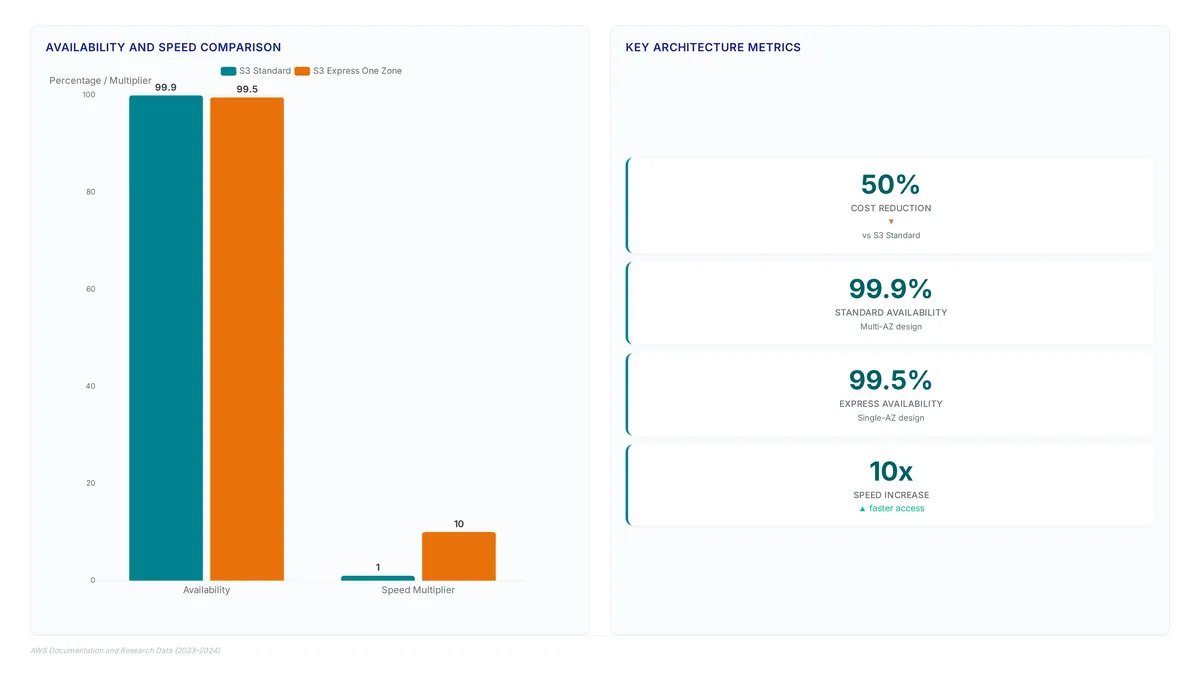
AWS documentation claims data access speeds reach up to 10 times quicker than standard storage classes.
Cut storage costs by 15x and eliminate egress fees with AlwaysHot architecture designed for predictable enterprise budgets and zero latency.
With over a vast number of objects stored as of March 2026, Amazon S3 dominates the environment, yet on-premise S3 storage offers a necessary escape...
Achieve sub10ms latency in diskless Kafka by separating compute from storage, enabling 80% cost reductions versus traditional disk-based systems.
Serving assets from one region traps latency. A CloudFront distribution caches content at the edge, slashing delay versus a lone S3 bucket origin.
Stop guessing at capacity. Learn to analyze billions of prefixes with S3 Storage Lens exports to find real latency bottlenecks.
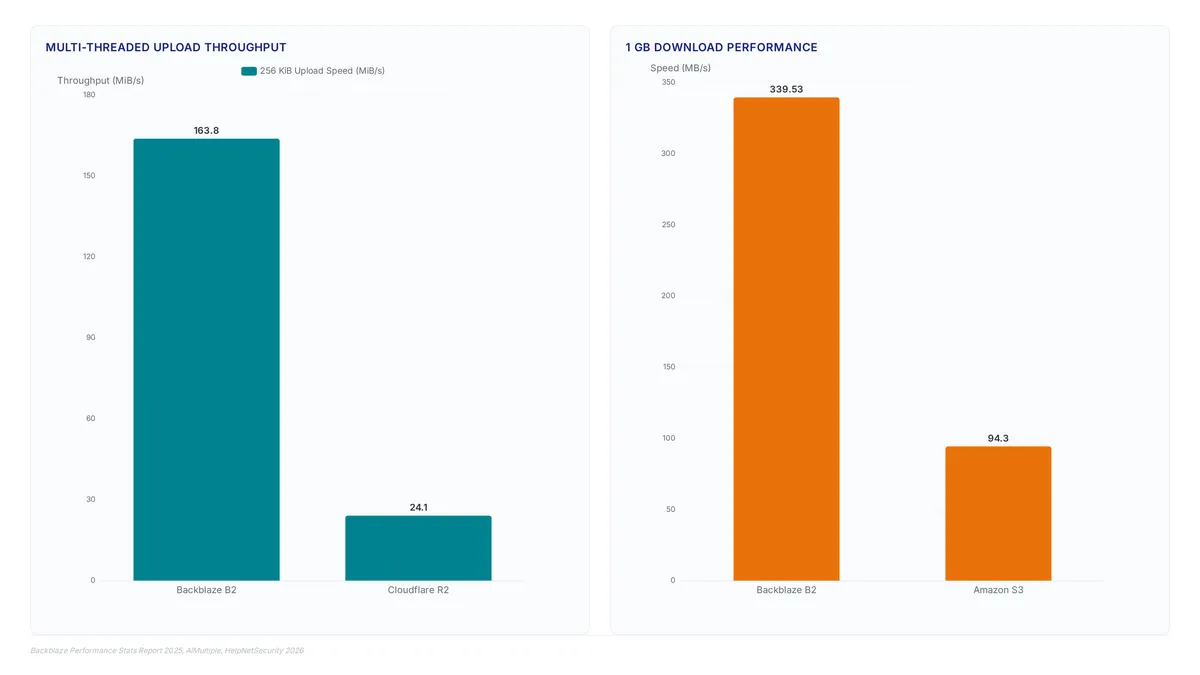
S3 latency traps stall pipelines. Benchmarks show 163.80 MiB/s vs 24.10 MiB/s gaps. Discover how Rabata delivers verified speed.
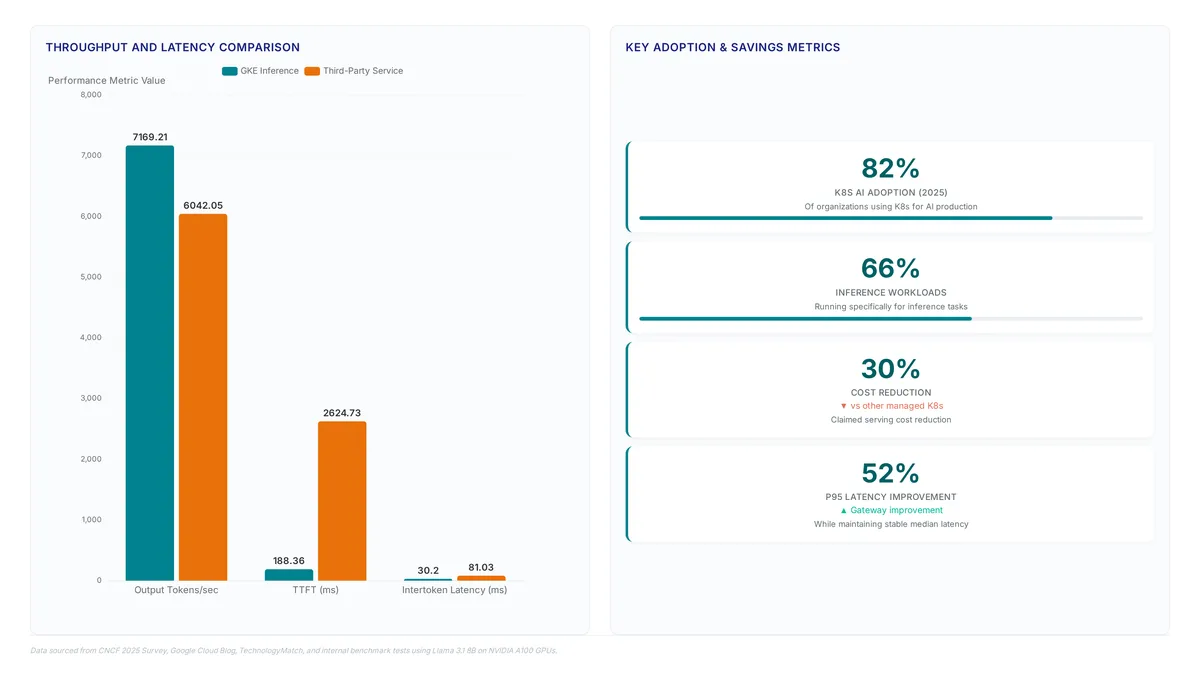
GKE Inference Gateway uses prefix caching to cut time-to-first-token latency by over 70%, eliminating redundant computation in AI pipelines.
Cut SAS Grid expenses by shifting cold data to archives at a fraction of a cent per GB/month while maintaining submillisecond access for active jobs.
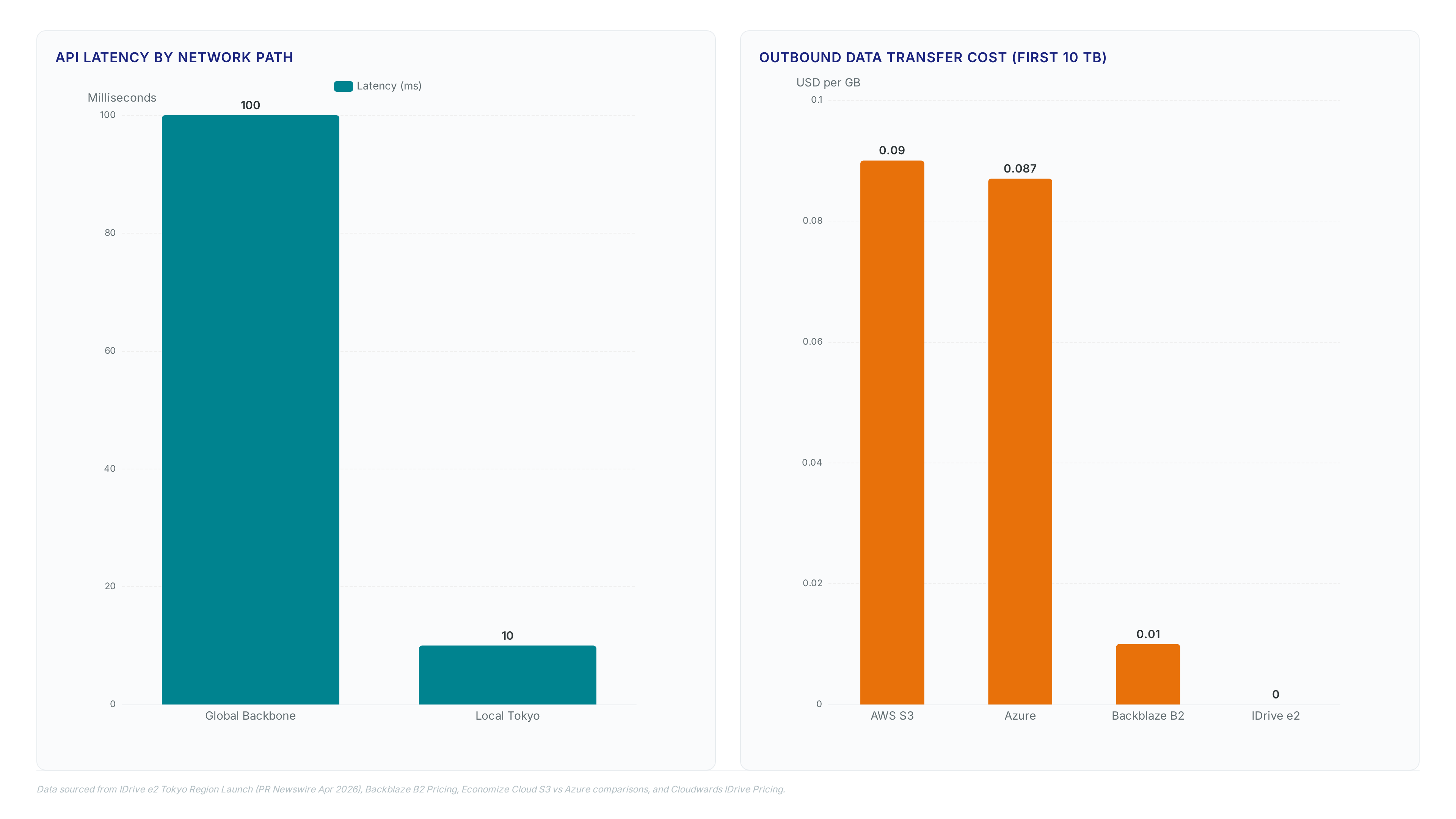
Cut AI inference time by routing traffic through our new Tokyo endpoint. We support 1 exabyte of data with local S3 compatibility.
Skip intermediate layers for 3x faster queries. Alex shares how direct Apache Iceberg access removes warehouse latency without moving data.
PostgreSQL's durability math forces a 23x cost variance. Learn why WAL flushes demand local NVMe, not object storage, to prevent stalling.