Storage benchmark truth: Why S3 latency varies wildly
Cloudflare R2 hit 171.58 ms latency, yet AWS S3 remains six times quicker. See why consistent benchmark settings matter for real performance.

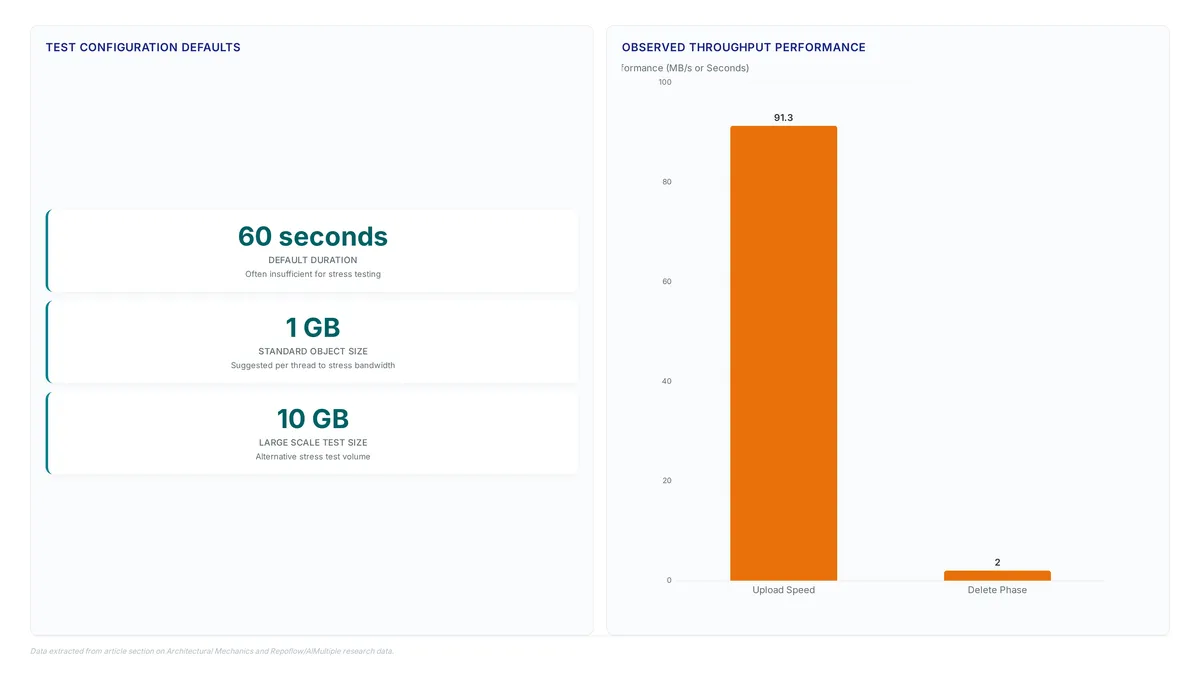
See how s3benchmark uses 60-second iterations to log raw speed and operations per second, replacing marketing claims with empirical data.
Learn how partitioned prefixes sustain 5,500 requests per second while byterange fetches eliminate bottlenecks for large AI datasets.
High-throughput object storage eliminates GPU data starvation by delivering the sustained bandwidth modern AI clusters require.
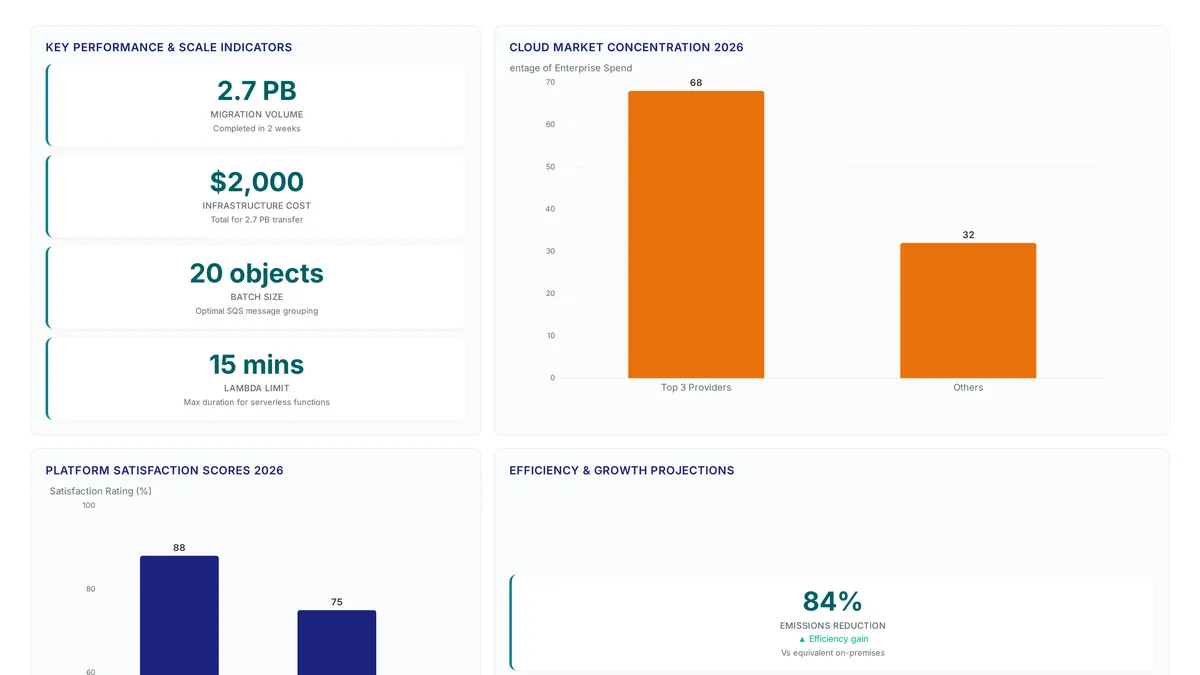
Learn how distributed rclone workers moved 2.7 PB of data in two weeks using SQS job distribution and ephemeral compute resources.
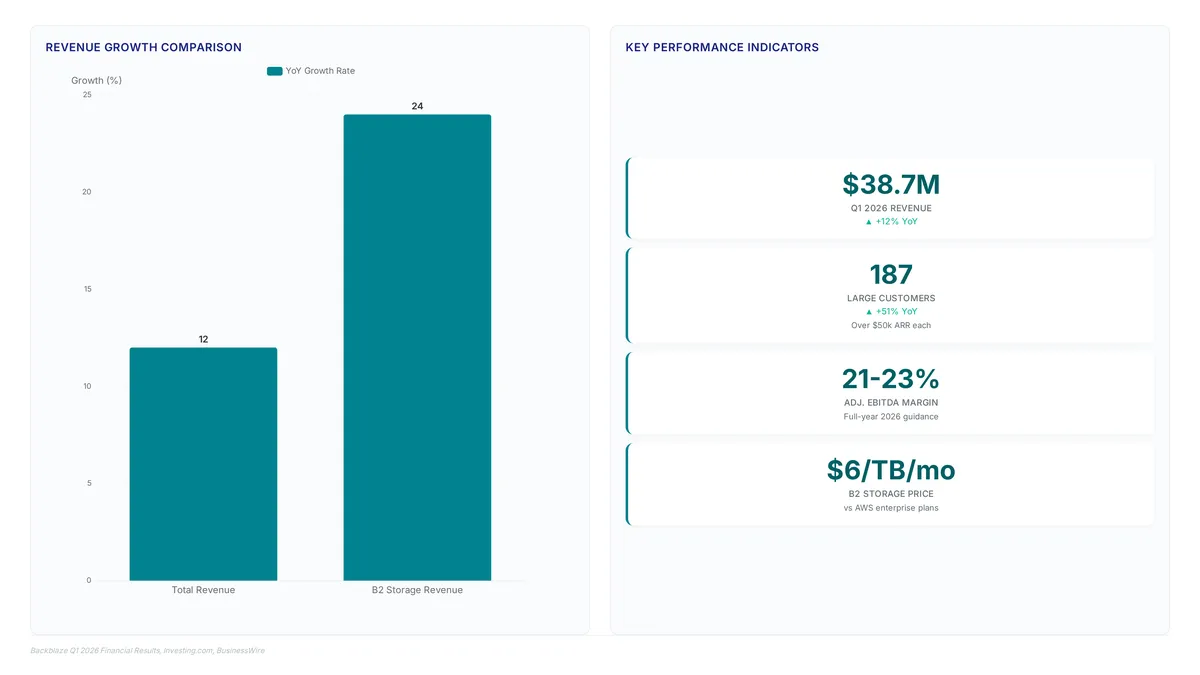
Backblaze reported millions in Q1 2026 revenue, yet storage throughput remains the critical bottleneck stalling AI cluster performance and GPU utilization.
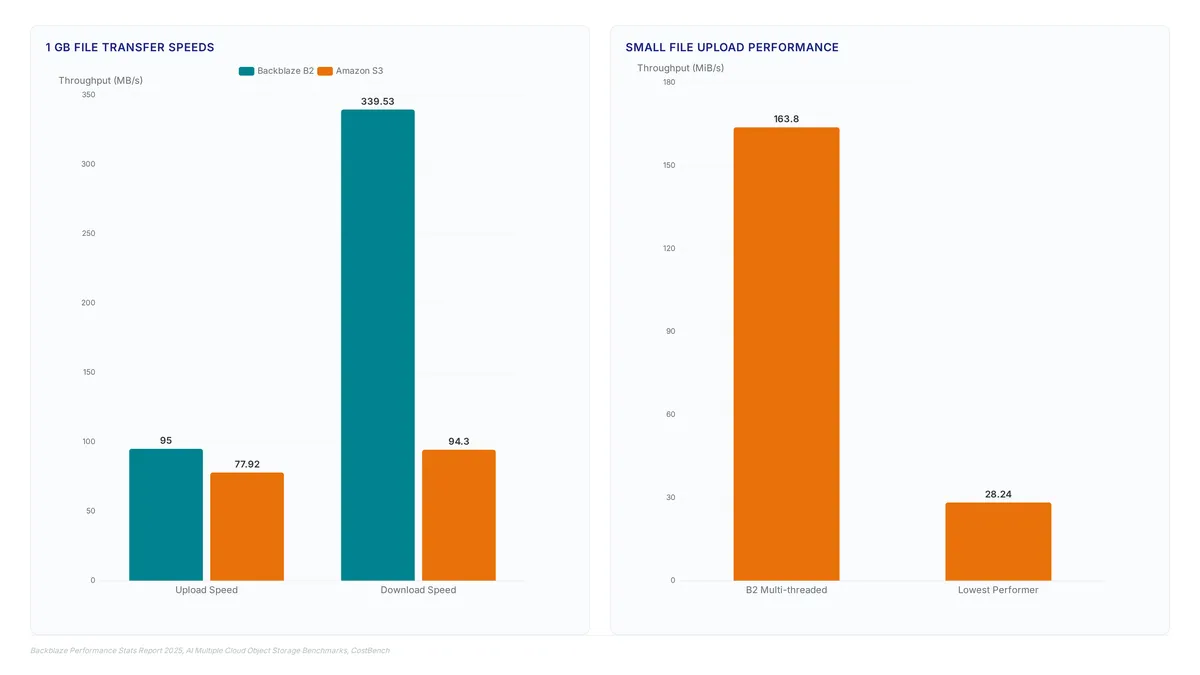
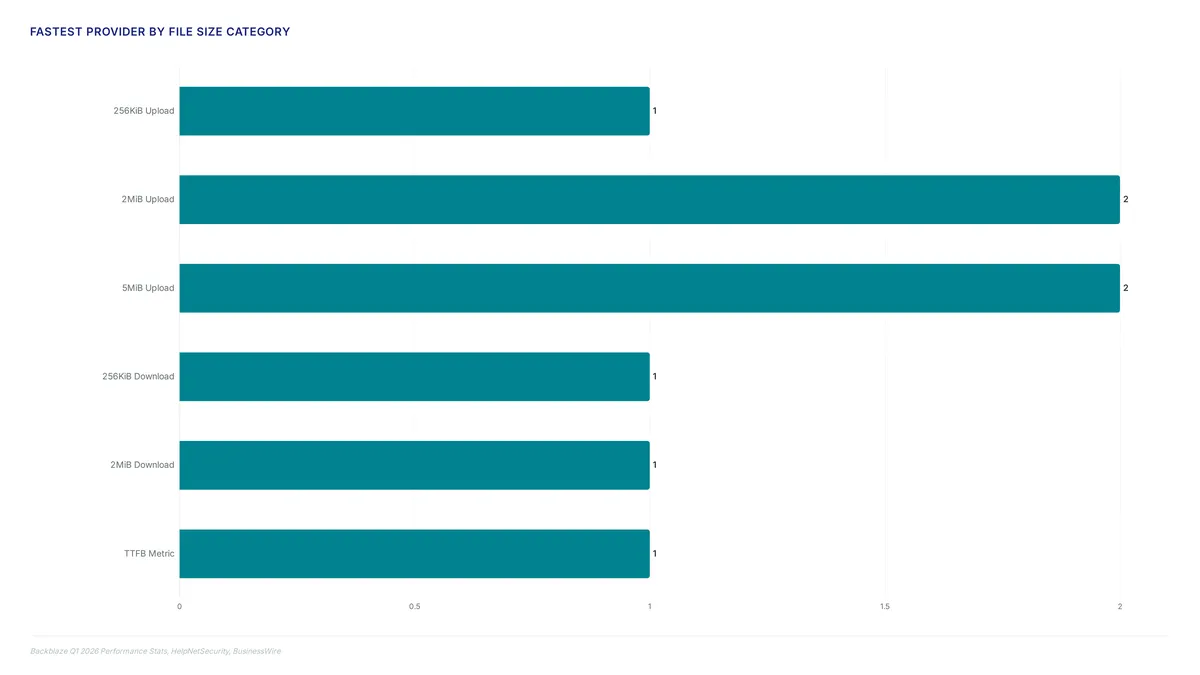
Tests show thread count drives read performance up, with 256KiB objects revealing wild speed variances across providers like Wasabi and R2.
OVHcloud's OpenIO shift delivers 1,360 MB/s read speeds by replacing static hashing with AI-driven data placement for modern workloads.
Stop guessing at capacity. Learn to analyze billions of prefixes with S3 Storage Lens exports to find real latency bottlenecks.
Q1 2026 testing reveals Cloudflare R2 leads EU upload times for 256KiB files, proving file size dictates real-world storage performance.
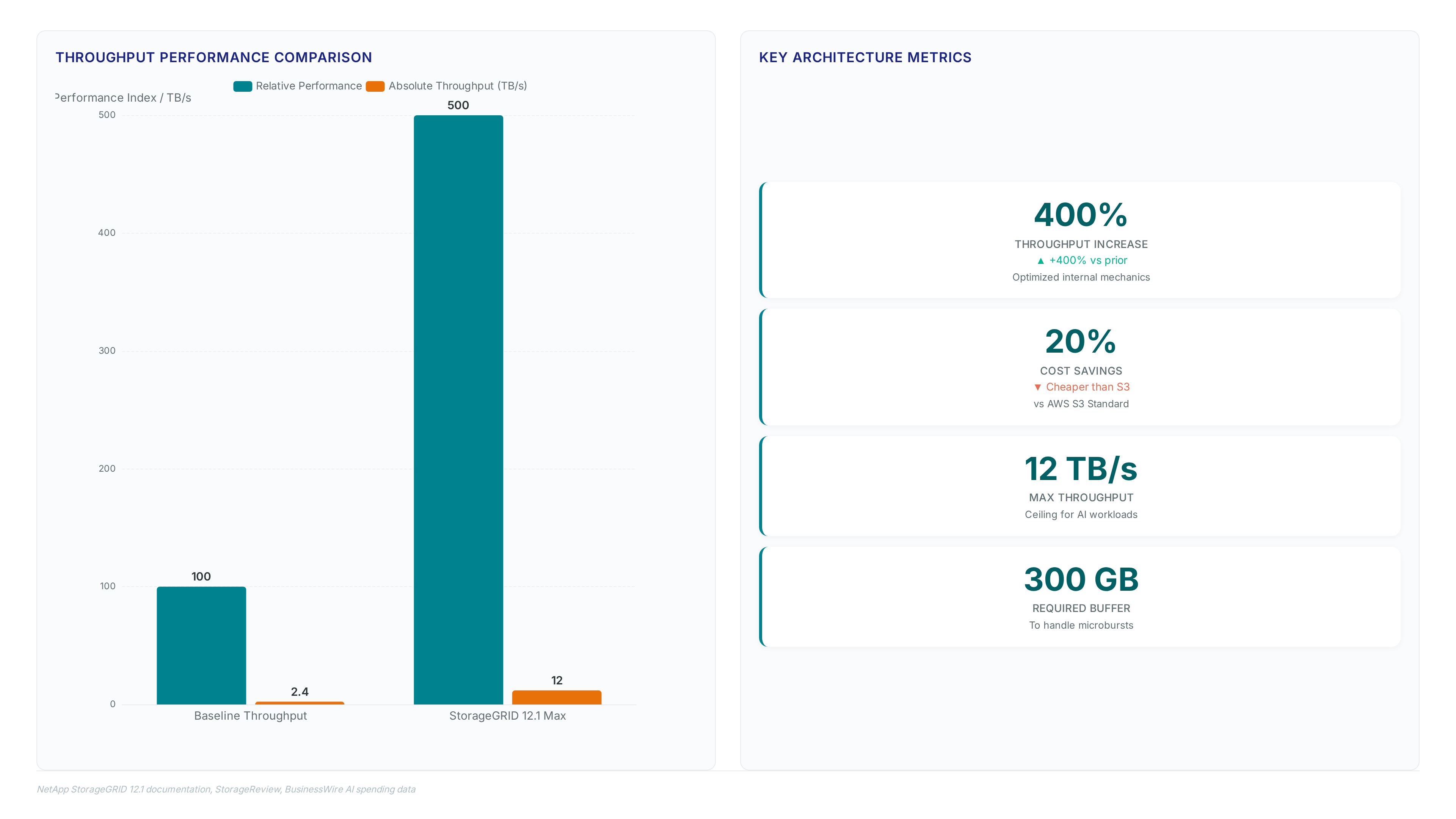
StorageGRID 12.1 delivers a 400% throughput boost, turning object storage into an active engine for your generative AI factories.
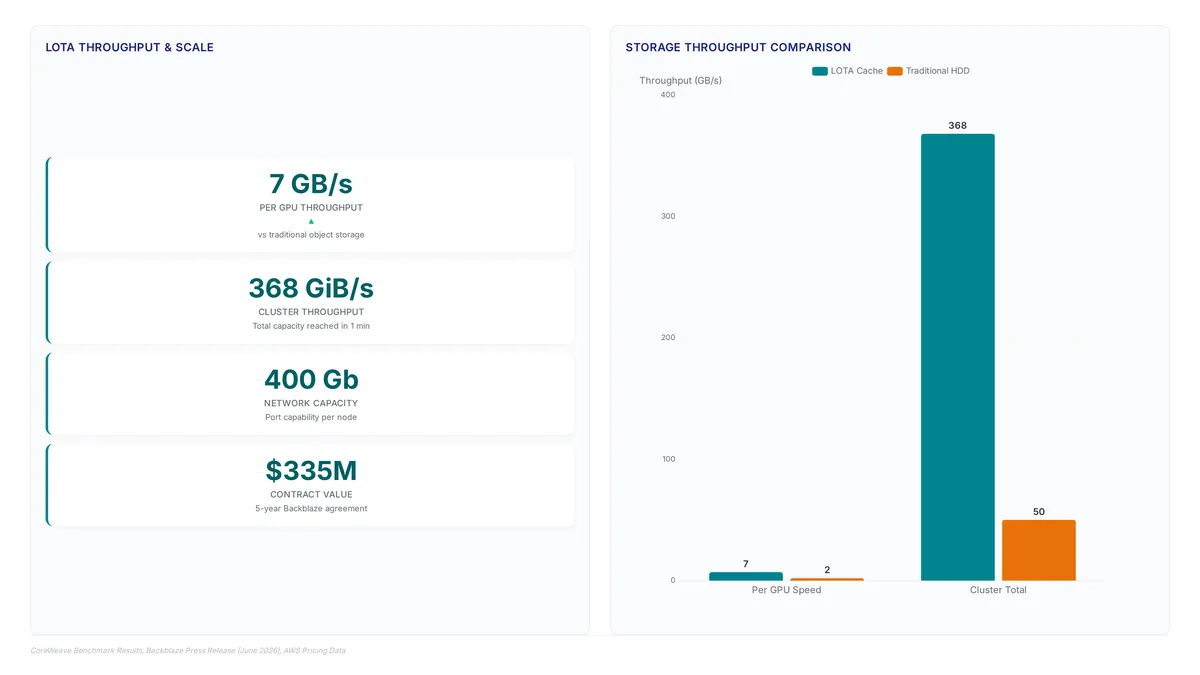
Learn how intelligent tiering delivers 7 GB/s per GPU, moving hot data to NVMe while keeping cold logs on cheaper HDDs to cut costs.
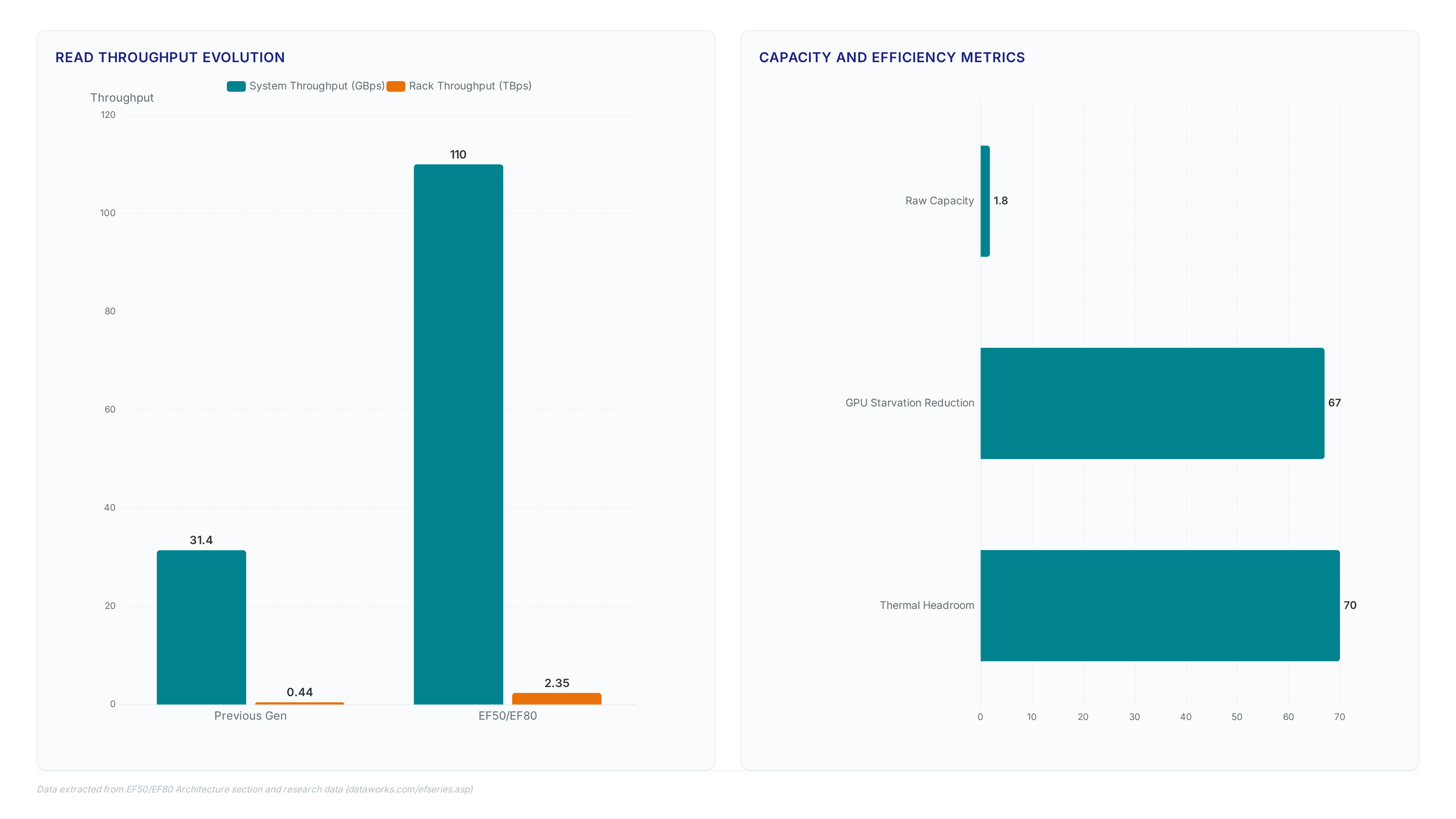
NetApp's new EF50 delivers 110 GBps read throughput to stop GPU starvation during large-scale AI model training cycles.